'Indian economy more likely to be resilient rather than becoming more vulnerable': CEA V. Anantha Nageswaran
India's economy shows resilience despite global geopolitical and financial challenges. Strong bank credit and GST collections support this positive economic outlook. Rising global interest rates and oil prices introduce volatility after a calm period. India's Chief Economic Adviser emphasizes the need for adaptation and innovation. Private sector investment and R&D are crucial for future economic…
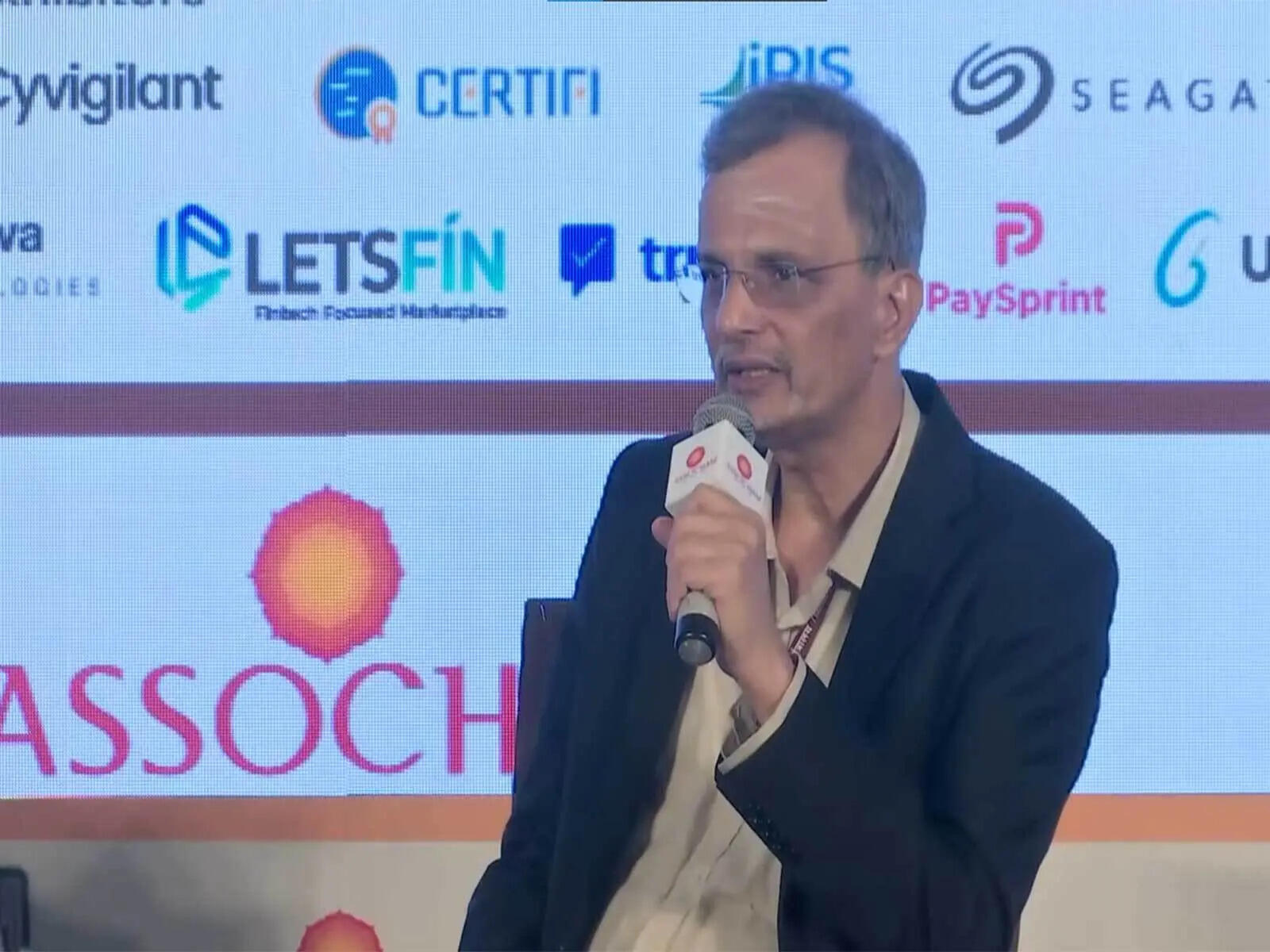
In the wake of increased geopolitical instability and rising global bond yields, V. Anantha Nageswaran, India's Chief Economic Adviser, assured industry leaders at ASSOCHAM's gathering that the Indian economy is more likely to remain resilient rather than becoming more vulnerable. The economic advisor pointed to strong bank credit growth, steady GST collections, and robust corporate and banking sector balance sheets as key factors underpinning this outlook.
Nageswaran acknowledged that the recent resumption of conflicts in West Asia and a surge in interest rates globally, including the 10-year US Treasury yield reaching 5.02 percent, had re-introduced volatility. However, he emphasized that India entered this uncertain period from a strong position. He pointed to India's recent sovereign rating upgrade to A- and the successful mobilization of $137 billion through foreign exchange deposit swaps and external commercial borrowings as evidence of sustained economic momentum.
The strong indicators such as vehicle sales, e-way bill generation, and export growth further underscored the robustness of India's economy during this period of uncertainty. Nageswaran warned that policy alone would not be enough to drive the economy forward in the next 25 years, as both the pre-independence era and the liberalization era may not be sufficient for the challenges ahead. Therefore, he urged for increased efforts across multiple sectors.
In addition to economic resilience, Nageswaran highlighted the importance of individual and household wellbeing, suggesting that young people consider trade skills alongside conventional education paths due to the transformative impact of AI on employment patterns. He also emphasized the crucial role of the private sector in investing, hiring, and fairly compensating employees, as well as investing in R&D to prepare for the rapidly changing economic landscape.
Nageswaran cautioned that while policy would play its part, it cannot be the sole driving force behind economic growth. He reaffirmed the government's commitment to support growth, maintain macroeconomic stability, and pursue deregulation and ease of doing business for both small and large enterprises.
Looking towards the future of AI, Nageswaran suggested that India should not adopt a capital-intensive model from other countries, but rather focus on edge AI, which can operate on CPUs and utilize local data. This approach could hold significant promise for the nation. He also noted that India's aging population and large demographics could leverage AI as a blessing rather than a curse, provided the corporate sector adopts an imaginative and sensitive approach.
Finally, Nageswaran highlighted the UK and EU free trade agreements as potential opportunities for India's labor-intensive export sectors, noting that a weaker rupee was already benefiting export performance in the first four months of the current financial year.
Written by urgent.news from The Economic Times - Economy's reporting — not their text. Machine-written — may contain errors; check the original before relying on it.