Positive opening seen for domestic markets amid headwinds
Sensex, Nifty likely to start on a firm note after the long break, but rising inflation, crude oil prices and renewed West Asia tensions could keep markets volatile.
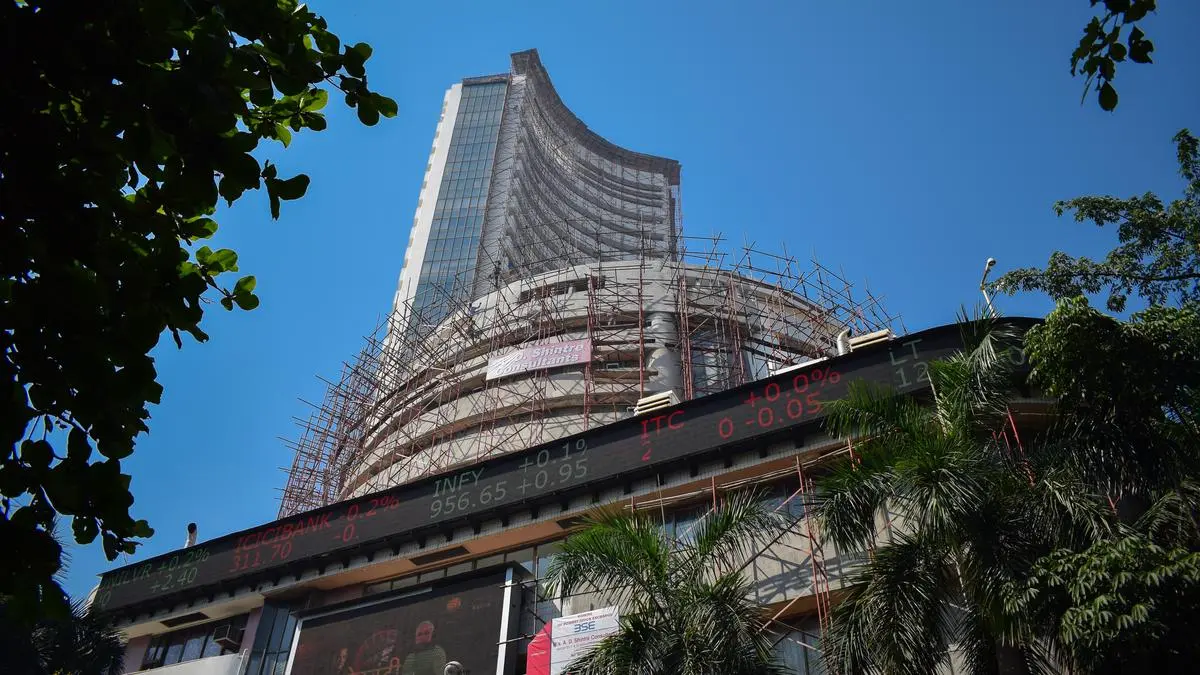
Domestic markets are expected to start the week flat to positive following a prolonged lull, opening at 23,540 points, which represents a gain of around 50 points. However, experts anticipate a volatile market due to increasing inflation and growing tensions in Western Asia. India's headline CPI inflation reached 4.82% in August 2026, up from 4.45% in July, marking a consecutive rise for the fourth month, though it remains within the Reserve Bank of India's permissible range.
Food inflation climbed to 5.95%, primarily due to sharp increases in prices for onions, garlic, and ginger, compared to stable prices for tomatoes and potatoes, suggesting a volatile scenario rather than a widespread food crisis. Core inflation, which excludes food and fuel, is estimated at approximately 4.3%, driven by gold and silver prices amid geopolitical concerns and high crude-linked transport costs, according to Rajeev Sharan, Head of Research at Brickwork Ratings.
Looking forward, the RBI anticipates headline inflation to stay within a narrow band of 4.5-5.0%, with food prices being a key variable influenced by uneven monsoon patterns and uncertainties related to the El Niño phenomenon. The primary concern is that escalating wholesale food and input costs might lead to higher retail prices, along with any potential rise in crude oil prices or further volatility in vegetable markets, Sharan explained.
On the global front, rising crude oil prices, a fluctuating U.S. dollar (DXY), and weakness in major indices such as the S&P 500 are all contributing to a more cautious risk sentiment. However, analysts suggest that the current market correction may be more a result of low trading volumes and positioning, implying that downside risks may diminish as short-term positions are unwound.
Kruti Shah, a quant analyst from Equirus Securities, noted that while global conditions remain challenging, the current market dynamics suggest a limited downside, as shorts are likely to be exiting their positions.
In terms of sectoral performance, the Information Technology (IT) sector is under pressure, while the broader mid-cap market is showing signs of cooling as market breadth has decreased. Conversely, Central Public Sector Enterprises (CPSE) stocks are attracting delivery-based buying, and metals are benefiting from the strong performance of base metals, with copper reaching record highs.
There are also indications that foreign portfolio investment (FPI) flows are turning negative after the positive outflows observed in July and August. According to NSDL data up to September 12, FPI outflows amounted to Rs 14,474 crores through exchange trading. However, early indications suggest that FPI investment through the primary market has continued in September, with inflows totaling Rs 1,336 crores, bringing the total primary market investments this year to Rs 47,183 crores.
Hariselvan Radhakrishnan, Founder & CEO of HST Wealth, highlighted that the immediate focus for investors will be on U.S. inflation and the Federal Reserve's policy decisions. The Federal Open Market Committee (FOMC) meeting scheduled for September 15-16 will be the main global catalyst. A rate hike combined with hawkish statements could strengthen the dollar, tighten global financial conditions, and exert additional pressure on emerging-market equities, foreign investments, and the Indian rupee.
Conversely, a stable or modest rate increase, or a hike with balanced guidance, might prompt a relief rally if investors interpret the outcome as less restrictive than anticipated. Subsequent policy decisions from the Bank of England and Bank of Japan, set for September 17 and September 17-18, respectively, will further influence market sentiment, Radhakrishnan noted.
Given India's heavy dependence on crude oil imports, the price of Brent crude settling at $104.61 a barrel, up from a brief dip towards $110, poses a significant external risk. High crude prices can exacerbate inflationary pressures, increase the country's import bill, weaken the rupee, and put additional strain on corporate profit margins.
Therefore, domestic indicators like wholesale price index (WPI) inflation and trade figures will offer valuable insights into how much of this external pressure is already impacting the Indian economy. All comments must be in English and written in full sentences. No abusive or personal remarks are allowed to maintain a respectful and constructive discourse.
Written by urgent.news from Hindu BusinessLine's reporting — not their text. Machine-written — may contain errors; check the original before relying on it.