Physical AI’s Biggest Market Is 280,000 Aging US Factories
The physical AI boom is easy to picture as a new factory filled with humanoid robots and autonomous machines. The bigger opportunity may be much less futuristic. It’s making factories built decades ago smarter without replacing the equipment already inside them. That market is taking shape as manufacturers layer artificial intelligence, sensors, digital twins and, […] The post Physical AI’s…
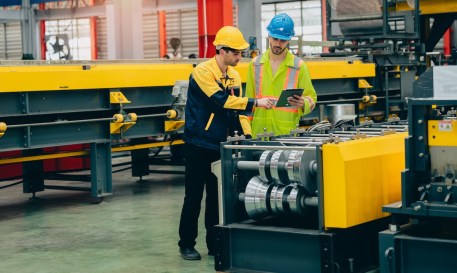
The biggest market for physical AI is not the creation of futuristic factories filled with humanoid robots and autonomous machines, but the smartening of aging factories already in operation. Manufacturers are layering artificial intelligence, sensors, digital twins, and robots onto their existing production systems. This approach has been demonstrated by recent deployments at PepsiCo and BMW, with funding flowing to startups like Augury and Harmoni.
PepsiCo's partnership with Siemens using Siemens' Digital Twin Composer and Nvidia Omniverse led to a 20% increase in throughput at a U.S. Gatorade plant in just three months, with up to 90% of design flaws identified before construction began. This strategy results in capital expenditure reductions of 10% to 15% for PepsiCo, maximizing the capacity of existing assets.
Augury's State of Production Health 2026 report found that 83% of 501 manufacturing leaders plan to increase AI investment this year. BMW has also tested a humanoid robot model in its Spartanburg, South Carolina plant, where Figure 02 robots retrieved and positioned sheet metal parts for welding, supporting production of over 30,000 X3 vehicles.
BMW has since integrated new robots into logistics work at the same plant and started a separate humanoid pilot at its Leipzig plant in Germany. These robots are designed to work within existing AI-wired factories. Startups such as Harmoni are targeting the 280,000 U.S. factories that still rely on traditional machinery and labor-intensive processes, aiming to transform the physical AI opportunity beyond robot sales alone.
Digital twins can optimize old production lines, sensors can make existing machines observable, and humanoid robots can fill specific gaps without the need for plant redesigns. The physical AI market may ultimately be larger than robot sales, as the opportunity lies in making factories intelligent.
Written by urgent.news from PYMNTS's reporting — not their text. Machine-written — may contain errors; check the original before relying on it.