Opportunism, optimism, patriotism, and fear: The AI doom debate is dividing the Chinese internet too
"If the US stops improving its AI software, that would be a historic opportunity for us," one Weibo user in Hebei wrote.
The debate surrounding the potential dangers of artificial intelligence (AI) is generating a diverse array of reactions among Chinese internet users. While some express concern over the rapid pace of AI development, others perceive it as an opportunity for China to overtake its competitors.
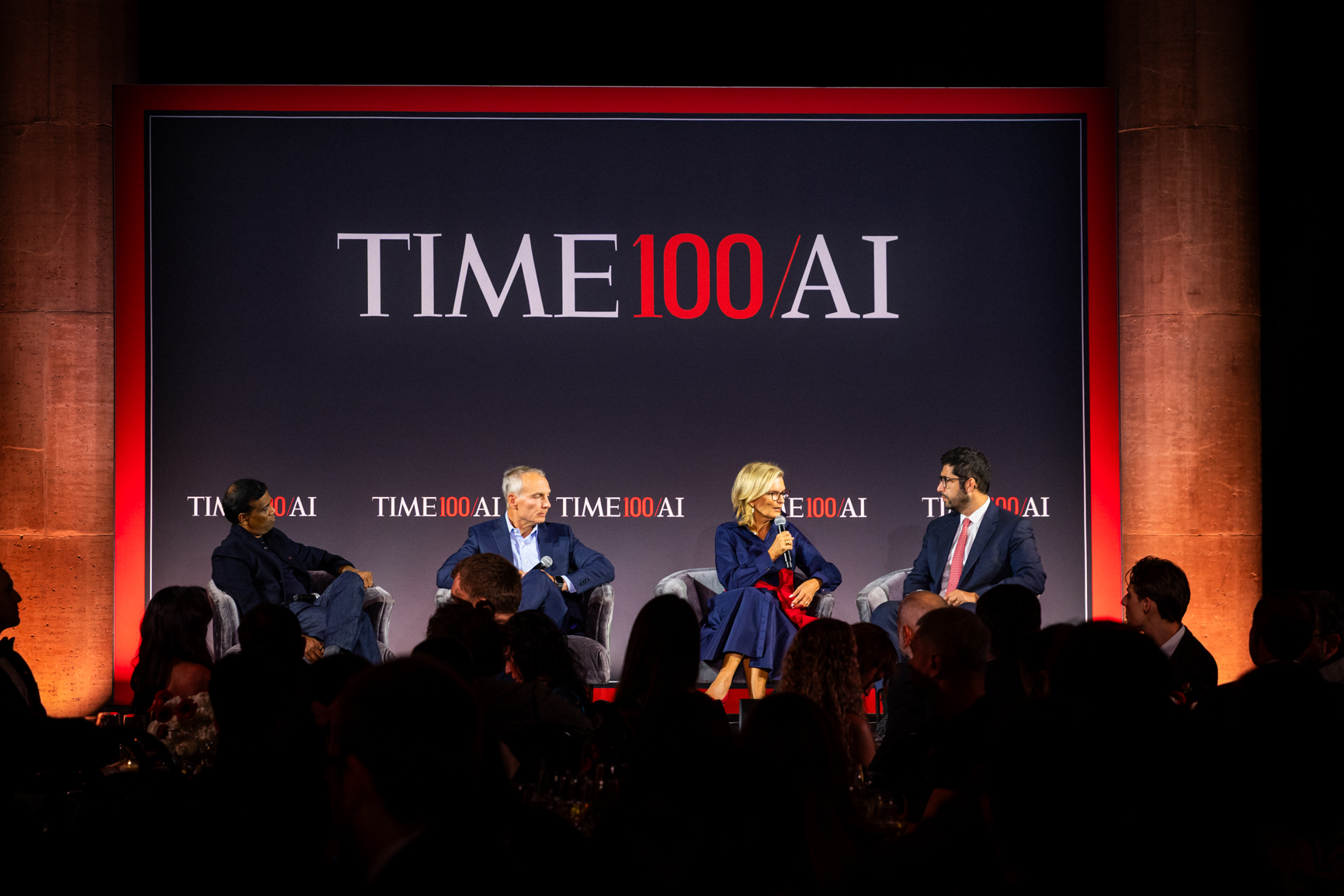
Prominent AI leaders, such as Dario Amodei from Anthropic, Sam Altman from OpenAI, and Elon Musk have collectively called for improved management of AI development, warning that current safeguards may struggle to keep up with its accelerating capabilities. On China's version of X, Weibo, the topic of "China AI vs US AI" dominated the trending list, with an array of posts discussing national ambition, competition, and employment.
Several netizens questioned whether Silicon Valley's calls for caution were merely a strategic move to prevent China from catching up. They argued that while US companies and institutions are pouring significant funds into AI development, their fears are not rooted in genuine apprehensions about the technology's dangers, but rather in the desire to maintain their competitive edge.
One Beijing-based user compared the situation to a race, emphasizing the potential drawbacks of overexerting oneself in the pursuit of maintaining a lead.
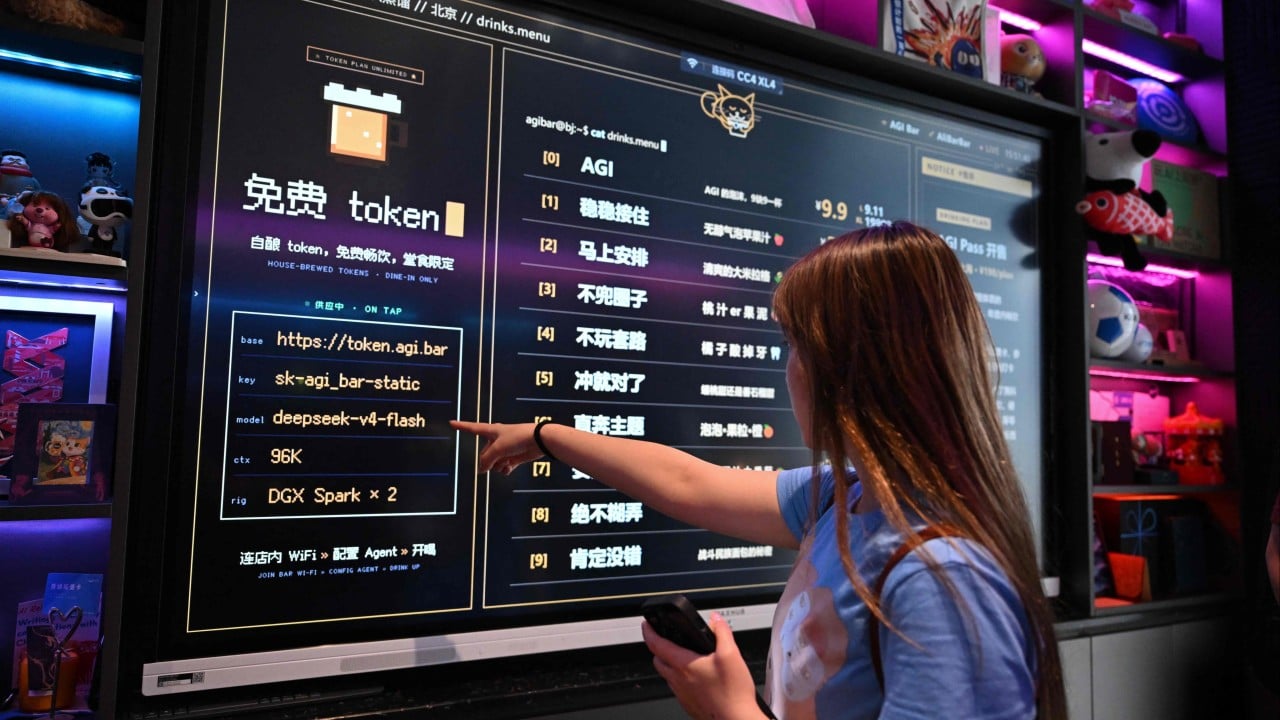
On the other hand, some Chinese netizens view the global AI race as evidence that China is taking a more pragmatic approach. They point to examples where Chinese labs are already deploying AI in practical applications, such as in factories, warehouses, and food delivery services. This perspective suggests that China's strategy focuses on integrating AI into productivity-driven industries rather than engaging in a theoretical debate about its potential risks.
Moreover, the calls for slowing down AI development have been seen by some as a chance for China to further advance its technological prowess. One user from Guangdong wrote that if the US were to halt its AI progress, it would provide China with a historic opportunity to claim the lead and potentially render US companies irrelevant within a decade.
However, the debate is not solely focused on the technological aspects of AI. Concerns have also been raised about the potential impact of AI on employment. While acknowledging that AI will displace certain jobs, some users argue that the gains from AI could be distributed more widely. They suggest that companies profiting from AI should be taxed, with the revenue redistributed to society, ensuring that technological advancements contribute to overall social welfare.
Political leaders in both the US and China have shown little appetite to slow down the AI race. President Trump dismissed apocalyptic warnings, stating that "whoever wins AI, wins," while Chinese leader Xi Jinping emphasized the importance of AI development for the public good, under a people-centered global governance framework.
Despite these assurances, Beijing has also acknowledged the risks associated with AI, including deepfakes, AI-generated misinformation, and intelligent online armies, calling for increased state oversight to ensure its development is "healthy and orderly" for the benefit of all humanity.
Written by urgent.news from Business Insider's reporting — not their text. Machine-written — may contain errors; check the original before relying on it.