Forget AI KPIs: how China’s tech giants are rationing tokens for employees
When generative artificial intelligence first swept through China’s technology sector, workers faced a clear directive from management: use AI and use it often. Consuming vast numbers of AI tokens – the basic unit of computing power needed to process text or write code – became a badge of honour, with companies often viewing a high token count as a sign that employees were productive and taking…
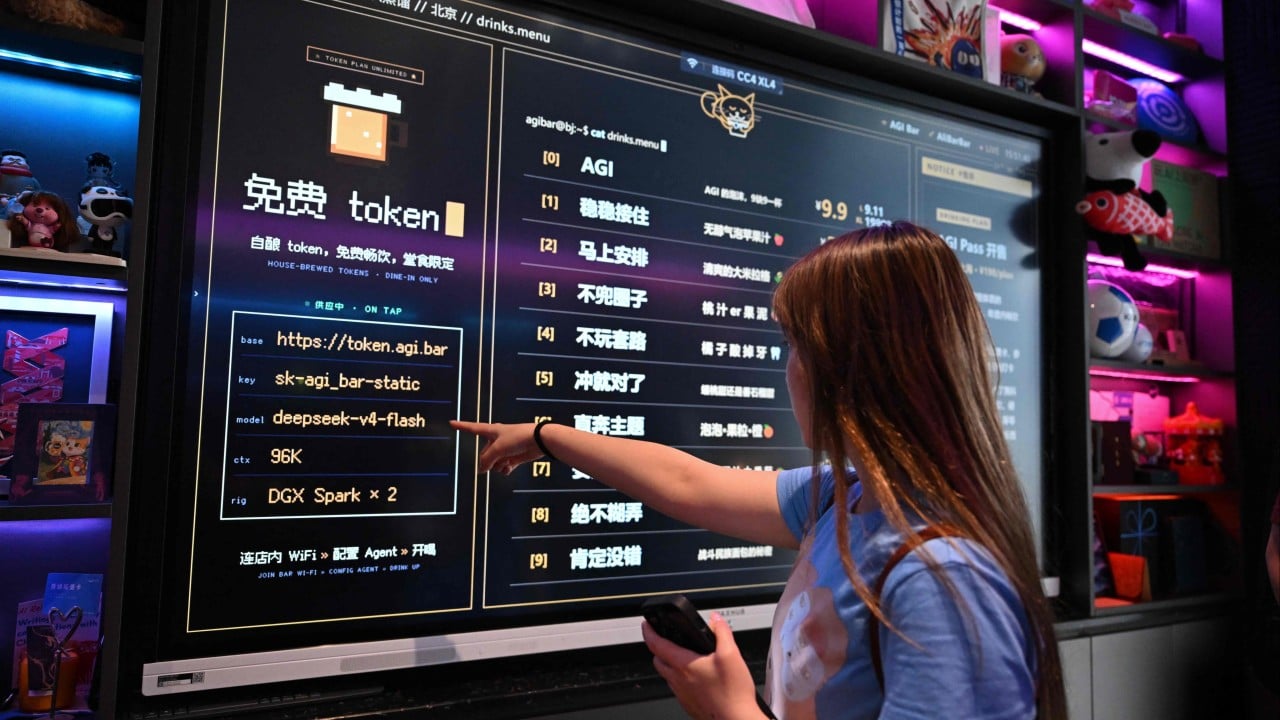
China's tech giants are imposing strict limits on AI token usage for their employees as rising costs force the companies to ration computing power, according to sources speaking to the South China Morning Post. Generative AI's rapid adoption in China's tech sector initially saw a surge in token consumption, with employees seen as productive based on their token usage.
However, this is changing as companies implement token quotas to control expenses. ByteDance, for instance, requires staff using closed-source models to pay out of pocket, reimbursing only half of external tool costs. Alibaba Group limits employees to 3,000 to 6,000 monthly credits for its internal platform, with additional credits granted when needed.
Baidu grants developers a baseline allowance of 1,500 yuan (US$223) monthly, with an extra 1,500 yuan available upon request. Tencent has shifted from flat annual allocations to departmental pools overseen by managers. Workers who run out mid-month must request additional resources from supervisors. While Tencent reassures employees that token consumption won't be used to rank them, the company aims to meet AI token needs as far as possible, adjusting allocations based on workload and demand.
The move comes as enterprise and consumer token consumption is projected to surge by 24-fold between 2026 and 2030, reaching 120 quadrillion tokens monthly, according to a Goldman Sachs report. The tighter rules reflect operational challenges as workers increasingly rely on advanced AI workflows that rapidly consume computational capacity.
Written by urgent.news from South China Morning Post's reporting — not their text. Machine-written — may contain errors; check the original before relying on it.
This story
This is one outlet's version. Read the fullest account.