Forget AI KPIs: how China’s tech giants are rationing tokens for employees
When generative artificial intelligence first swept through China’s technology sector, workers faced a clear directive from management: use AI and use it often. Consuming vast numbers of AI tokens – the basic unit of computing power needed to process text or write code – became a badge of honour, with companies often viewing a high token count as a sign that employees were productive and taking…
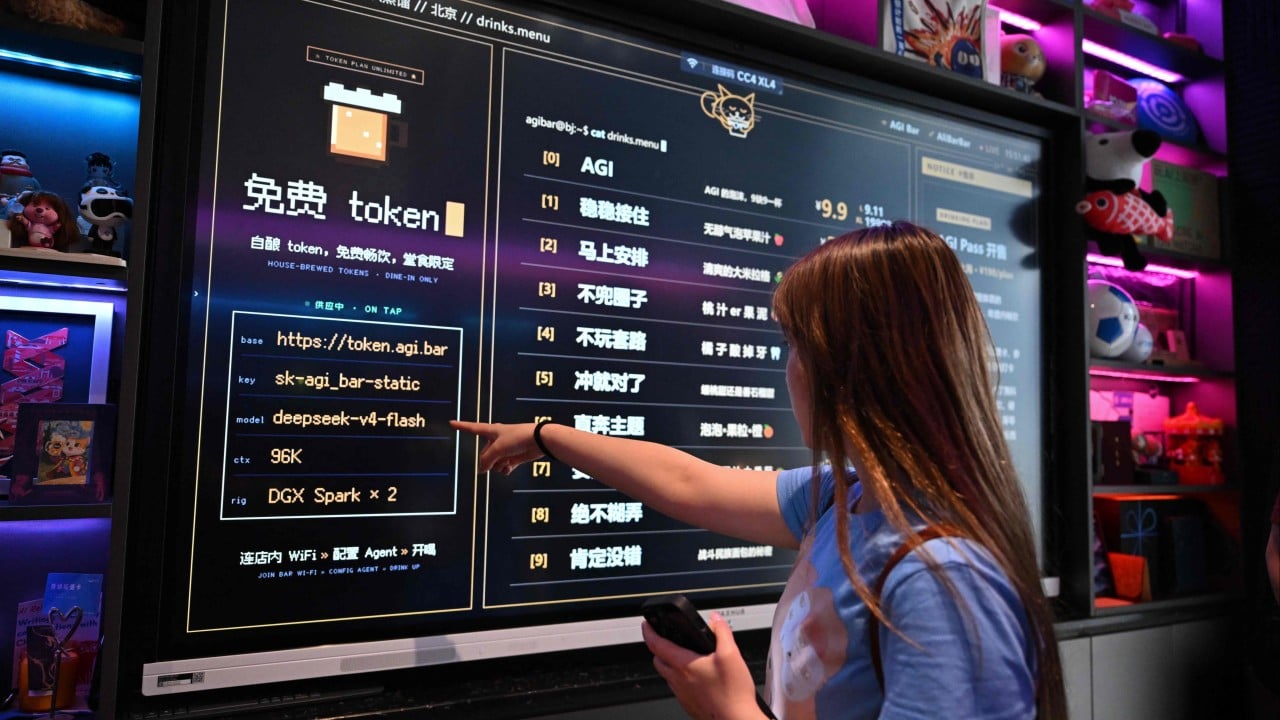
China's tech giants are implementing token quotas for employees to curb the rising costs associated with using artificial intelligence, according to South China Morning Post sources. The move follows the surge in popularity of generative AI, which led to employees being encouraged to consume vast numbers of AI tokens, a measure of computing power required to process text or write code.
Employees now face restrictions on their token usage, with ByteDance requiring staff to co-pay for closed-source models and reimbursing up to $1,000 annually for technical staff and interns, and $300 for non-technical employees. Alibaba Group allocates 3,000 to 6,000 monthly credits for its internal coding platform, QoderWork, with additional credits granted as needed, while reimbursements for external AI tools are capped at $200 a month.
Baidu provides a baseline allowance of 1,500 yuan ($223) per month for its developers, with an additional top-up of 1,500 yuan available upon request. Tencent has shifted to departmental pools overseen by line managers, with employees who exhaust their allowances needing to request additional resources from supervisors. The tightening measures aim to manage costs while ensuring employees can still utilize AI tools effectively.
Written by urgent.news from SCMP Tech's reporting — not their text. Machine-written — may contain errors; check the original before relying on it.