Iran dismisses US talks as Strait of Hormuz crisis deepens
Iran has rejected holding talks with the US until Washington meets the conditions it has set, after President Donald Trump said Tehran wanted a deal quickly. Mohsen Rezaei, secretary of Iran's Supreme National Security Council, warned on Tuesday against being distracted by Mr Trump's conflicting messages, which have alternated between rejecting negotiations and signalling openness to talks.…
Iran has firmly rejected any negotiations with the United States following President Donald Trump's assertion that Tehran desired a deal "quickly and badly". Secretary of Iran's Supreme National Security Council, Mohsen Rezaei, warned against being distracted by the US President's inconsistent messages. Rezaei stated that "no talks" will occur until Iran's conditions are met, though he did not specify these terms.
Tehran has long demanded the cessation of US military activities, an end to the American blockade on Iranian shipping, the lifting of sanctions, the release of frozen assets, and compensation for war damages. It has also tied the reopening of the Strait of Hormuz to meeting these demands. President Trump confirmed on Monday that Iran was seeking an agreement rapidly, while leaving open the possibility of engaging with Tehran.
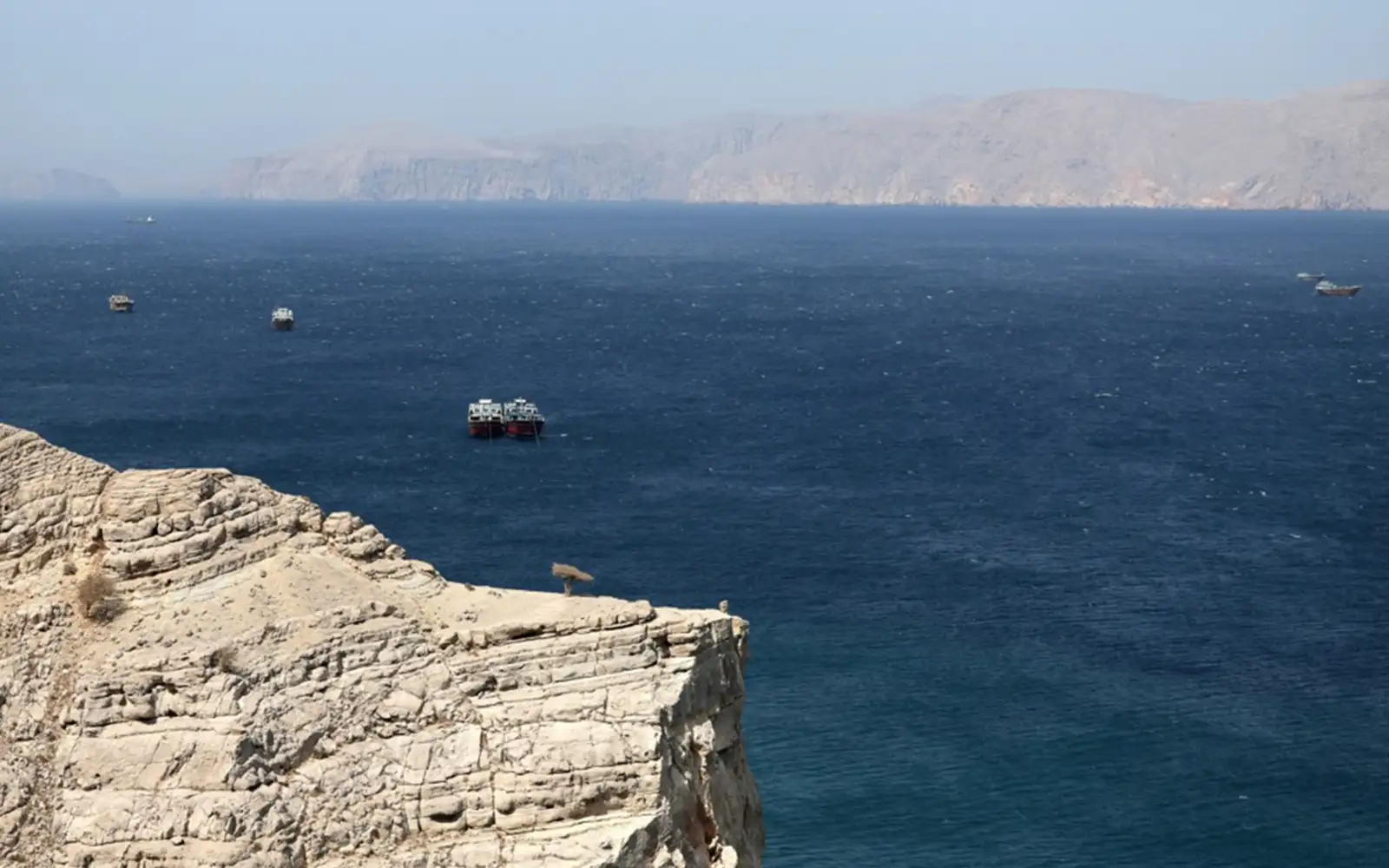
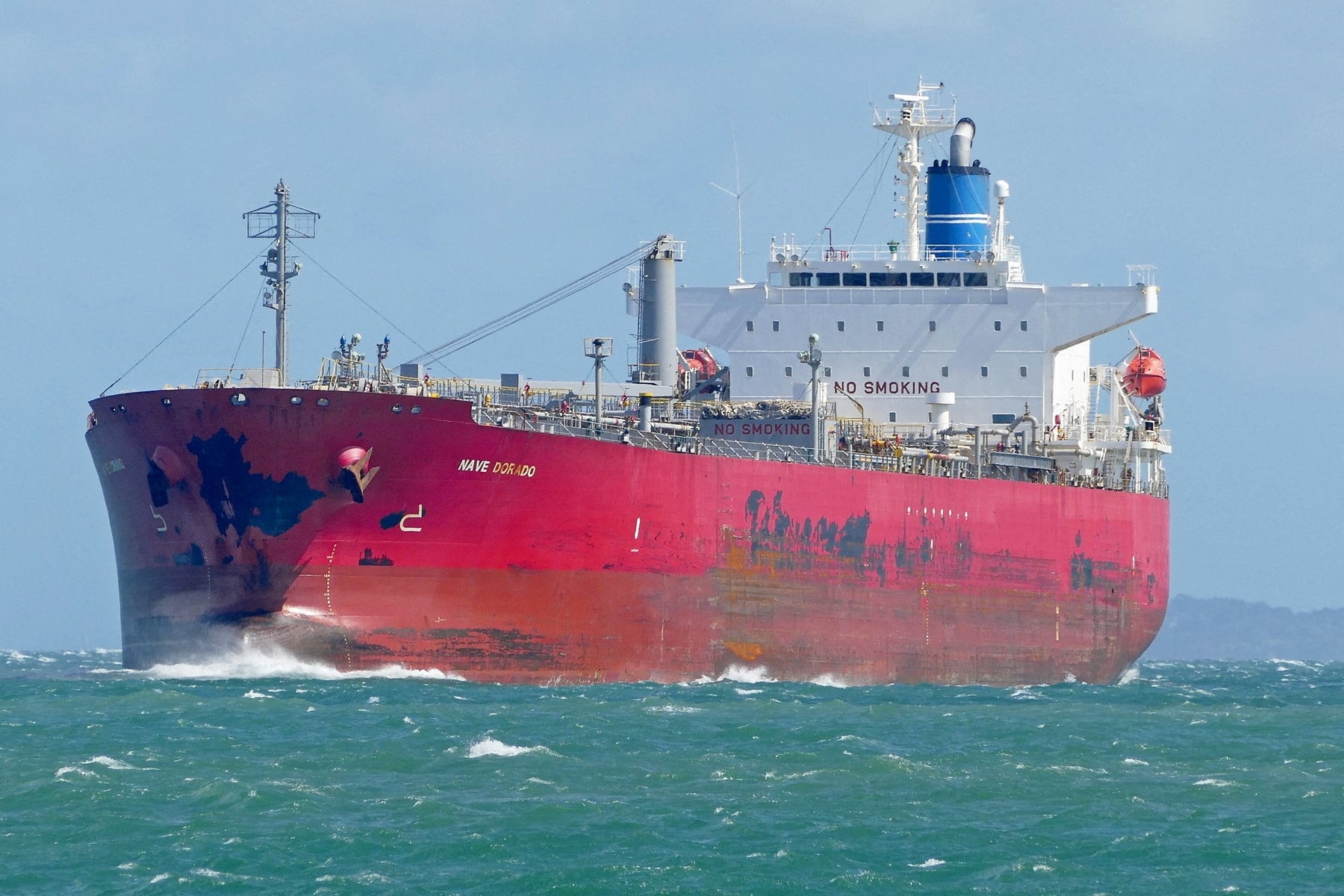
This conflicting stance underscores the substantial divide between Washington and Tehran as hostilities persist and diplomatic attempts to restore navigation through the Strait of Hormuz encounter significant obstacles. Despite claims that oil is still flowing through the strait, commercial traffic has drastically decreased, with only four vessels transiting on Monday, a sharp decline from the usual 10.
The situation presents a diplomatic setback, as Gulf states have postponed planned talks with Iran regarding navigation through the waterway, citing unsuitable conditions. Iran had previously requested the postponement of these discussions, leading to a potential rescheduling with no new date announced yet. The delay was influenced by disagreements among Gulf states over an Iran-Oman framework for managing navigation, including a proposed temporary corridor and mine clearance efforts.
Saudi Arabia raised concerns over proposed changes, while Bahrain declined participation. Central Command reported that American forces have redirected 101 commercial vessels to comply with the US blockade on Iranian shipping. Iranian Foreign Minister Abbas Araghchi is set to visit China on Wednesday for talks with Chinese Foreign Minister Wang Yi, while the US is focusing on maintaining its military capabilities, invoking the Defence Production Act to expedite the production of military equipment and munitions.
Written by urgent.news from The National Business's reporting — not their text. Machine-written — may contain errors; check the original before relying on it.
This story
This is one outlet's version. Read the fullest account.
- Oman postpones GCC-Iran meeting on Strait of Hormuz as oil prices rise on supply fears gulfnews.com
- Iran dismisses US talks as Strait of Hormuz crisis deepens thenationalnews.com
- US-Iran war LIVE: Iran's meeting with Gulf leaders on Strait of Hormuz proposal postponed amid fresh attacks livemint.com
- New report of attack on Strait of Hormuz threatens oil supplies ghanaiantimes.com.gh
- Oil prices near 4-month high as Iran and Oman delay Strait of Hormuz talks cbsnews.com
- Oil prices up over 3% following new strikes on Saudi, Strait of Hormuz brecorder.com
- Iran live updates: Oil prices rise after strikes in Saudi Arabia, Strait of Hormuz abcnews.com
- Strait of Hormuz sees dramatic drop in commercial shipping sabcnews.com