Celebrate International Observe the Moon Night with NASA
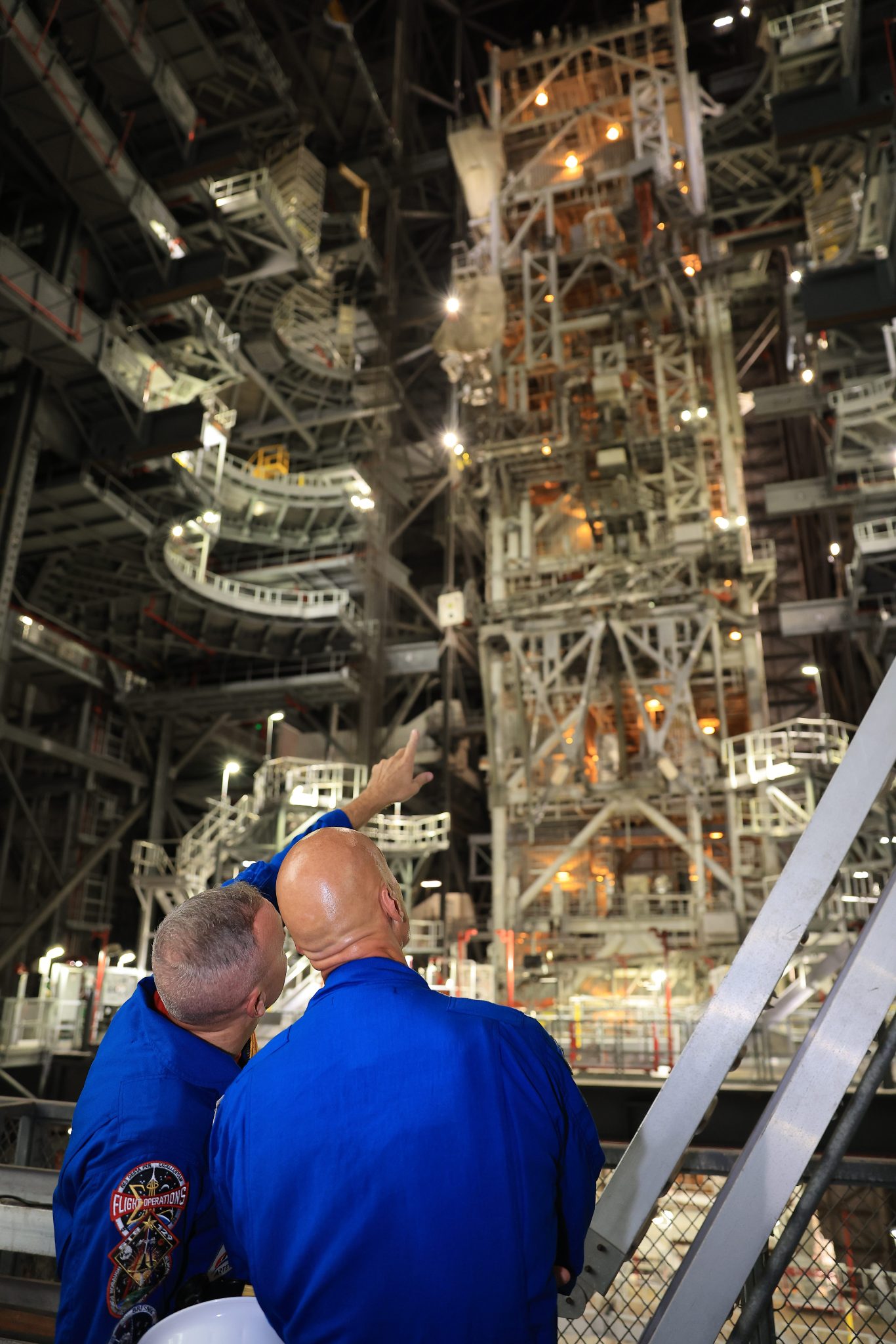
In April, the world watched as four humans circled the Moon for the first time in over 50 years with NASA’s Artemis II mission. On Saturday, Sept. 19, the public is invited to look up again with NASA events across the country, including the International Observe the Moon Night celebration held at NASA’s Goddard Space […]
On September 19, NASA is inviting the public to celebrate International Observe the Moon Night at its Goddard Space Flight Center Visitor Center in Greenbelt, Maryland. This annual event brings people together to learn about the Moon and celebrate our connection to Earth's nearest celestial neighbor. Since 2010, participants have engaged in lunar observations, hands-on activities, artwork, music, and more.
This year, the focus will be on NASA's Artemis II mission, the first crewed flight to the Moon in over 50 years. Visitors can learn about the mission's behind-the-scenes preparations and explore how Goddard scientists and engineers contribute to our understanding of the Moon, solar system, and beyond.
Activities include interactive hands-on experiences, art creation, and selfies at a photo kiosk. Telescopes will be set up outside (weather permitting) for Moon observation, and a real Apollo 14 Moon rock will be displayed inside the Visitor Center. At 6:30 p.m., planetary scientist Dr. Amanda Nahm will discuss lunar science and Moon joy from Artemis II, while at 7:30 p.m., scientific visualizer Ernie Wright will present technical insights on scientists' use of real data to create Moon visualizations.
The event is free and open to all, with no registration required. However, registering in advance helps the Visitor Center team plan. The event will take place regardless of weather, and free parking is available. For those unable to attend in person, there are virtual and local event opportunities to observe the Moon with friends, family, or online. More information and registration can be found at go.nasa.gov/ObserveTheMoon.
Written by urgent.news from NASA's reporting — not their text. Machine-written — may contain errors; check the original before relying on it.
This story
This is one outlet's version. Read the fullest account.