International Observe the Moon Night 2026 is on Sept. 19: Here's how to join in
International Observe the Moon Night 2026 occurs on Sept. 19 as the lunar disk is well placed for exploring its craters, mountains and ancient lava plains.
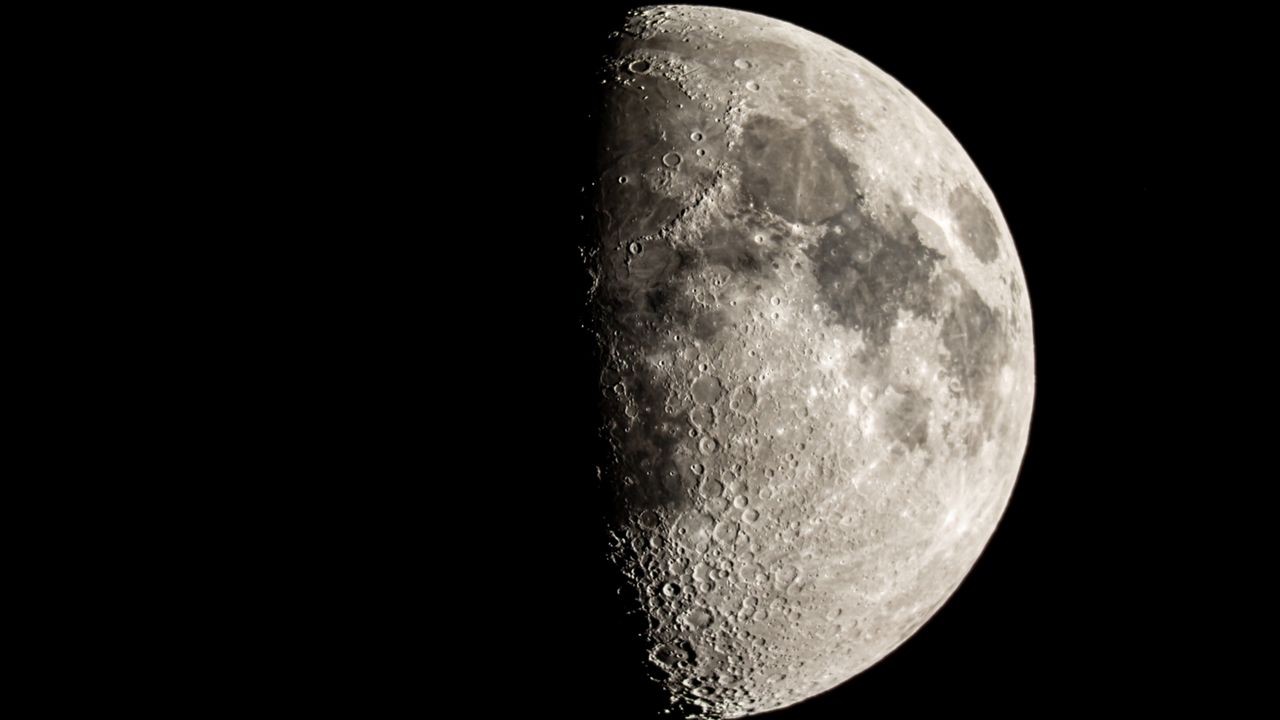
International Observe the Moon Night is set to take place on September 19, and enthusiasts have ample opportunities to join in the celebration, both in-person and remotely. The event coincides with the first quarter moon, which offers a convenient viewing angle in the late afternoon and evening. The moon's appearance during this phase presents an excellent opportunity to explore the terminator, the boundary between lunar day and night, where long shadows highlight craters, mountains, and other features.
NASA and its partners emphasize the significance of lunar observation, science, and exploration, especially with ongoing efforts to return humans to the lunar surface under the Artemis program. To participate, individuals can join organized events or host their own celebrations. NASA provides resources for hosting private or public events, encouraging participants to register on the agency's interactive global map of moongazing events.
Observing the moon can be done with the naked eye, binoculars, or a telescope. Celestron Nexstar 4SE, a 4-inch aperture telescope, is recommended for its ease of use and steady views of the lunar surface. Additionally, 3D printing enthusiasts can create lunar surface models using data from NASA's Lunar Reconnaissance Orbiter, including the Apollo 11 landing site in the Sea of Tranquility.
For those new to stargazing, Space.com offers guides on observing the lunar disk, as well as recommendations for the best binoculars and telescopes. The article also includes links to Space.com's explainer on the moon and the latest updates on NASA's Artemis program, which aims to return astronauts to the lunar surface.
Written by urgent.news from Space.com's reporting — not their text. Machine-written — may contain errors; check the original before relying on it.
This story
This is one outlet's version. Read the fullest account.