CCPA Penalises Rapido Over ‘Advanced Tipping’ Prompts
The Central Consumer Protection Authority (CCPA) has imposed a penalty of ₹10 Lakh on ride unicorn Rapido for misleading advertisements,…
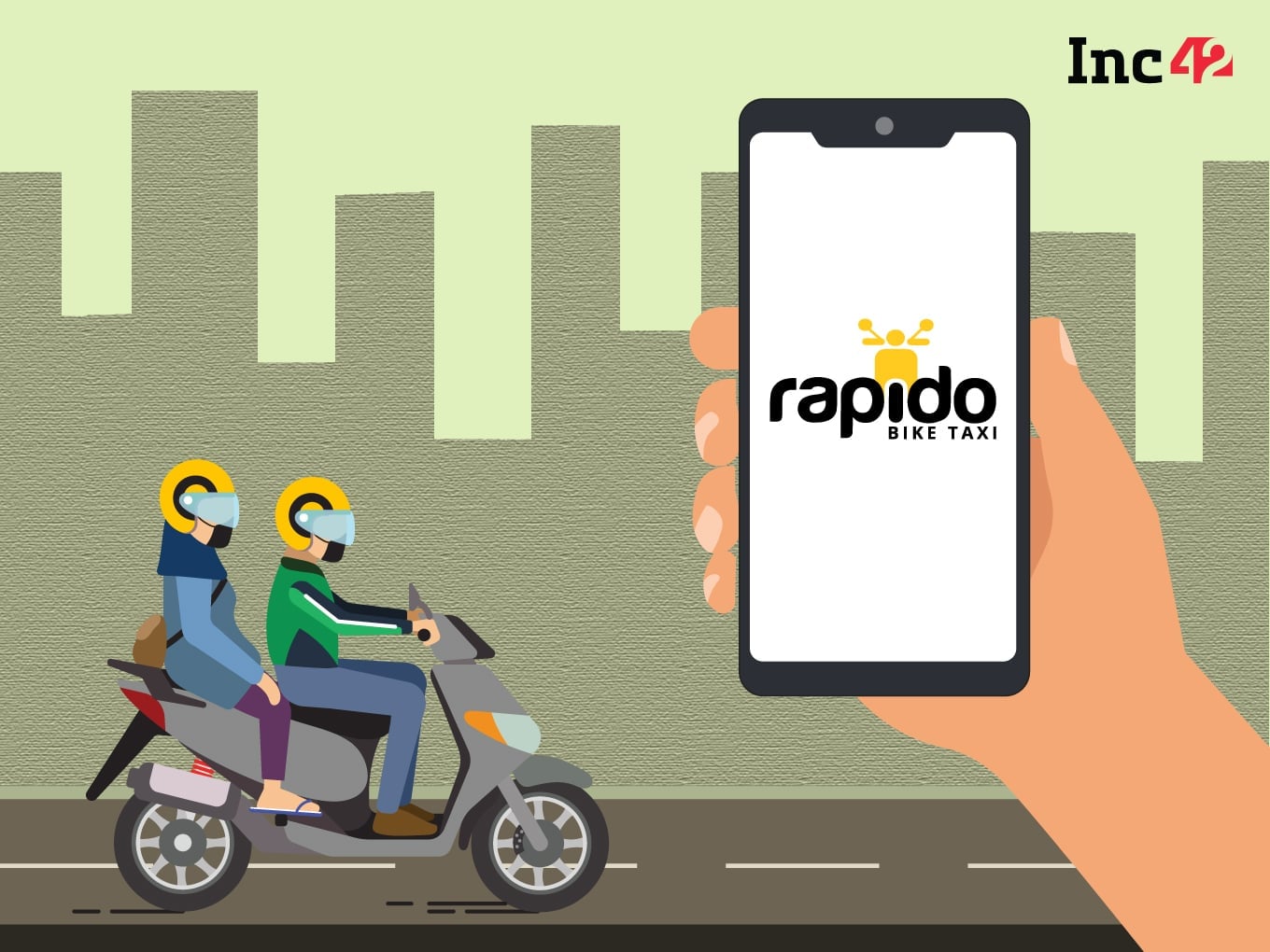
The Central Consumer Protection Authority (CCPA) has levied a fine of ₹10 Lakh on ride-sharing company Rapido for employing misleading advertisements, unfair trade practices, unfair contract terms, and deceptive design patterns, commonly referred to as "dark patterns." The ruling was delivered by a panel including chief commissioner Nidhi Khare and commissioner Anupam Mishra. The decision followed a comprehensive review of cab operators in India to assess pre-ride tipping and dynamic pricing strategies.
During their investigation, the CCPA discovered that Rapido's application displayed users prompts suggesting specific tip amounts of ₹10, ₹20, or ₹30 to enhance the likelihood of securing a ride. The regulator concluded that Rapido's algorithm initially quoted a fare, then, upon booking the ride, prompted the user to pay more because "Captains" (drivers) were reportedly refusing to accept the initial fare. This practice created a deceptive impression that paying extra fees would expedite ride availability.
This tactic was labeled "confirm shaming," a form of dark pattern outlined in the Guidelines for Prevention and Regulation of Dark Patterns, 2023. Such practices generate a sense of urgency and fear of losing a ride if the user does not agree to pay additional fees. Furthermore, the regulator scrutinized Rapido's "set your price" slider, finding that the color coding of the slider influenced pricing decisions.
When the price increased, a green message surfaced, indicating a higher probability of obtaining a ride. Conversely, lowering the price activated a red or orange warning. The regulator deemed this design a second dark pattern known as "interface interference."
The regulator defined a tip as a voluntary payment made after a service has been provided, which cannot be presented as a prerequisite for the service. The CCPA also cited the Motor Vehicle Aggregator Guidelines, 2025, which stipulate that any tipping feature must be offered after the ride has been completed, not at the time of booking or during the ride.
Rapido contended that tipping on their platform was voluntary and that the prompts mirrored real-world negotiations between riders and drivers. However, the CCPA rejected these claims, citing that the timing and design of the prompts placed pressure on users when they were most reliant on the platform. Additionally, the regulator pointed out that Rapido had not substantiated the claim that paying more increased ride availability, making the assertion misleading and unsubstantiated.
The action against Rapido is part of the CCPA's broader investigation into advance-tip and dark-pattern practices across ride-hailing and bike-taxi platforms. The regulator had previously issued notices to Uber, Ola, Rapido, and Namma Yatri, urging them to comply with the 2023 dark patterns guidelines and submit self-declarations confirming compliance.
The examination of Uber and Ola is still in progress. This penalty also contributes to the ongoing regulatory scrutiny of advance tipping practices by ride-hailing platforms.
In August, the Ministry of Road Transport and Highways (MoRTH) directed ride-hailing aggregators to eliminate tipping prompts displayed before or during rides, asserting that such practices violate the Motor Vehicle Aggregator Guidelines, 2025. The ministry emphasized that passengers can tip drivers only after completing a ride, with the entire amount going directly to the driver. Platforms are also prohibited from suggesting that tipping could improve ride confirmation, driver acceptance, or service quality.
This directive follows a broader regulatory examination of aggregators, including a recent action by the National Human Rights Commission (NHRC) over alleged overcharging. The 2025 guidelines cover various aspects of aggregator operations, including licensing, driver training and insurance, vehicle safety, fare structures, and penalties, including fines up to ₹1 crore.
Written by urgent.news from Inc42's reporting — not their text. Machine-written — may contain errors; check the original before relying on it.