Benzin und Diesel: „Ein weiterer Preisanstieg wäre fatal“ – Spritpreis-Schock schreckt die Politik auf
Benzin und Diesel werden wegen des Iran-Krieges immer teurer. Politiker fordern parteiübergreifend, Bürgerinnen und Bürger schnell zu entlasten. Über den richtigen Weg herrscht allerdings Uneinigkeit.
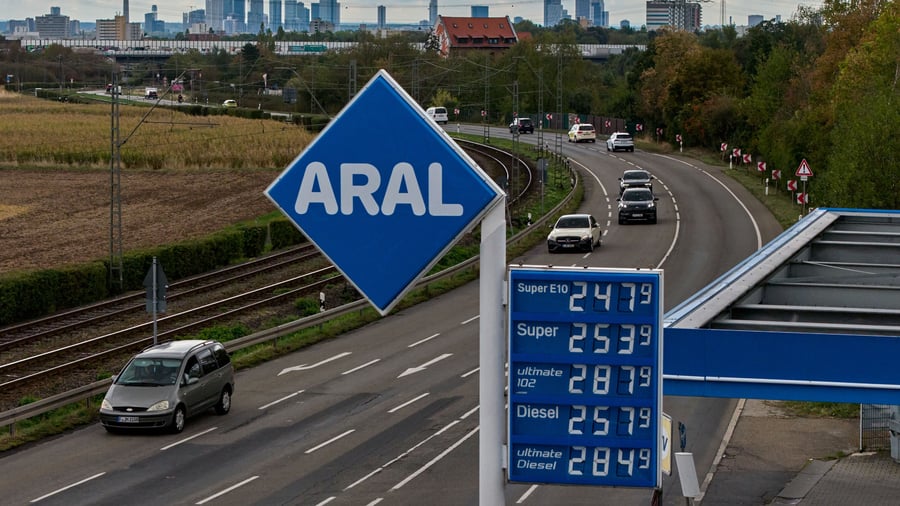
The rapidly rising prices at Germany's gas stations are putting pressure on the federal government. Super E10 and diesel fuel have seen a massive price hike in just a few days, with the Tankstelle Association even predicting prices could reach three euros per liter. This has sparked a debate about potential government countermeasures.
Should the state lower taxes on gasoline and diesel to make them cheaper, or would that amount to subsidizing fossil fuel consumption and boosting the profits of oil companies? Consumer protection advocate Sebastian Steineke of the Union Bundestag faction calls for rapid tax relief, suggesting a temporary reduction of the energy tax to the European minimum level could immediately reduce the burden at the pump.
He also suggests reviewing the national CO₂ price during "exceptional energy price development." Steineke warns of social consequences if fuel prices remain high or continue to rise, particularly for commuters, rural families, and shift workers who have little recourse. High energy and transportation costs also drive up logistics, food, services and the daily life in general, affecting especially low-income households.
CSU chief Markus Söder urges the federal government to gather together and discuss countermeasures to the sharply increased gasoline and diesel prices, proposing to "return money" and dampen prices to keep the burden on the population manageable. He did not specify a concrete instrument but noted numerous possibilities, pointing out Germany's high energy taxes, fees and other state burdens on energy, which create room for adjustment.
Söder also does not rule out an extra profit tax. Austria already returns additional state aid due to rising prices. Similar action is suggested for Germany. The federal government has already provided relief at the pump, including a tank rebate in the spring when energy tax rates for gasoline and diesel were temporarily lowered for two months.
The SPD politician Nina Scheer opposes another state subsidy to lower fuel prices, arguing it would hinder the transition to sustainable mobility by making it less competitive. She pleads for state support to accelerate the switch to climate-friendly transportation. Scheer warns of an "oil and gas cost trap" that is likely to worsen, calling for not only investment initiatives to help people switch to sustainable mobility but also, if necessary, dismantling market-dominant oil companies.
The SPD calls for "unwinding" the excess profits or crisis profits of these companies. The ADAC shared that the renewed rise in oil prices justifies the price level at the pumps only partially, with prices for regular unleaded reaching a new March 2022 high and diesel prices edging closer to their April peak. High oil prices are a typical driver for changes in fuel prices, but regional and hourly variations exist due to the Persian Gulf unrest, adding to uncertainty.
Federal Finance Minister Lars Klingbeil (SPD) plans to push for a state profit tax on oil companies at the EU level to help relieve consumers. Mecklenburg-Vorpommern's Minister-President Manuela Schwesig demands a fuel price cap, citing it as unaffordable for her region. Chancellor Friedrich Merz (CDU) must act, according to Leif-Erik Holm, the AfD's top candidate for the Mecklenburg-Vorpommern state election, who calls for a permanent reduction of energy taxes and duties.
Holm urges the federal government to lower the energy tax for gasoline, diesel and gas to the EU minimum level.
Written by urgent.news from Handelsblatt's reporting — not their text. Machine-written — may contain errors; check the original before relying on it.
This story
This is one outlet's version. Read the fullest account.