Irans Drohnen treffen Saudiarabien und die Welt: Nach neuen Angriffen werden Öl, Benzin und Diesel teuer bleiben
Eine saudische Pipeline hat den Ölschock durch den Iran-Krieg entscheidend gemildert. Jetzt ist sie beschädigt und ausser Betrieb. Auch die Tanker des Königreichs sind in neuer Gefahr.
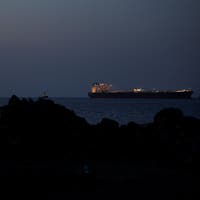
Saudi Arabia has been largely shielded from the oil shock caused by the Iran war but its pipeline network has now been damaged. Tankers are also under threat. The oil market has been thrown into uncertainty, reminiscent of a time when more oil reached the global market than feared due to an alternative route through Iran's Hormuz Strait.
Saudi Arabia relies on a 1200 kilometer pipeline from the eastern oil fields to the Yanbu port in the west to maintain part of its exports. However, the pipeline was taken out of service after being attacked by drones launched from Iranian-friendly militias in southern Iraq. The 1200 kilometer pipeline can transport up to 7 million barrels of crude oil per day, with most of it being exported.
Nearly 5 million barrels per day were shipped from the western coast of the kingdom in spring, roughly a quarter of what used to pass through the Hormuz Strait before the war. Oil prices have become nervous as the attacks have escalated tensions between Iran and the US, with Brent crude reaching up to $109 per barrel on Monday. Oil prices have risen significantly since the beginning of the conflict between Iran and the US in early September.
Saudi Arabia's concerns are echoed by the United Arab Emirates, which has a pipeline from Abu Dhabi to Fujairah port on the Gulf of Oman, transporting 1.5 million barrels of oil per day and is the second largest export alternative to the Hormuz route. The attack serves as a warning to the numerous pipeline expansion projects the region's exporting countries are undertaking to reduce their dependence on the Hormuz Strait.
The issues in Saudi Arabia extend beyond the east-west pipeline, as tankers at the Yanbu port have two ways to exit the Red Sea: through the Suez Canal into the Mediterranean, which significantly delays and increases the cost of deliveries to Asian major customers, or through the Bab al-Mandab Strait between Yemen and Djibouti into the Arabian Sea.
The Huthi rebels, supported by Iran, have been expanding their influence along the western coast in recent days and can better control the Bab al-Mandab Strait. Terrorists have already been hindering the international shipping trade by attacking tankers in the Red Sea. Now, the Huthi are specifically targeting Saudi Arabia. Blockades against Saudi tankers have been imposed since July, leading to a drop in exports to 2 million barrels per day in August.
They have since recovered somewhat, but their actions are now questionable. Tanker transports through the Strait of Hormuz remain dangerous due to the ongoing attacks from the US and Iran. US forces have been organizing their convoys more effectively, and estimates vary widely on how much oil is currently shipped through the Strait.
The volumes range from 5 to 10 million barrels per day, about a quarter to half of the pre-war volume. Iran's exports of crude oil have effectively come to a halt due to the US naval blockade, and the lack of supply and security risks are expected to keep the market volatile. A prolonged conflict could keep the oil price around $110 per barrel for the rest of the autumn, according to analysts from Oxford Economics and HSBC.
Written by urgent.news from NZZ Wirtschaft's reporting — not their text. Machine-written — may contain errors; check the original before relying on it.