Argentina’s Transformation: What Milei’s Reforms Changed — and What They Didn’t
Argentina · OPINION Key Facts —Inflation: Annual consumer price inflation fell from more than 200 percent at the end of 2023 to around 32.5 percent at the start of 2026; INDEC data. —Fiscal result 2025: A primary surplus of 1.4 percent of GDP, and a small overall surplus after interest payments; Economy Ministry, January 2026. […] The post Argentina’s Transformation: What Milei’s Reforms Changed…
Argentina's economic landscape has undergone significant changes under President Milei's reforms, with key indicators demonstrating tangible improvements. Annual inflation has plummeted from over 200% at the end of 2023 to approximately 32.5% at the start of 2026, according to INDEC data. The fiscal year 2025 saw a primary surplus of 1.4% of GDP, and a modest surplus emerged after accounting for interest payments in the same year, as reported by the Economy Ministry in January 2026.
Argentina's RIGI (Large Investment Guarantee) regime has attracted record agro-industrial exports, totaling US$52.3 billion in 2025, with more than US$32 billion in the first seven months of 2026 alone. This growth has reached 133 countries, showcasing Argentina's expanding global market presence. In the energy and mining sectors, Argentina LNG has applied for inclusion of a US$51 billion project under RIGI, while mining exports reached US$6 billion in 2025, with lithium accounting for around 15% of the total.
However, the reforms raise critical questions about Argentina's long-term economic trajectory. While stabilization has been achieved, the debate continues on what kind of economy Argentina aspires to be in 2040. The IMF continues to highlight challenges such as weak foreign exchange reserves, expensive financing, and the need for further institutional reforms.
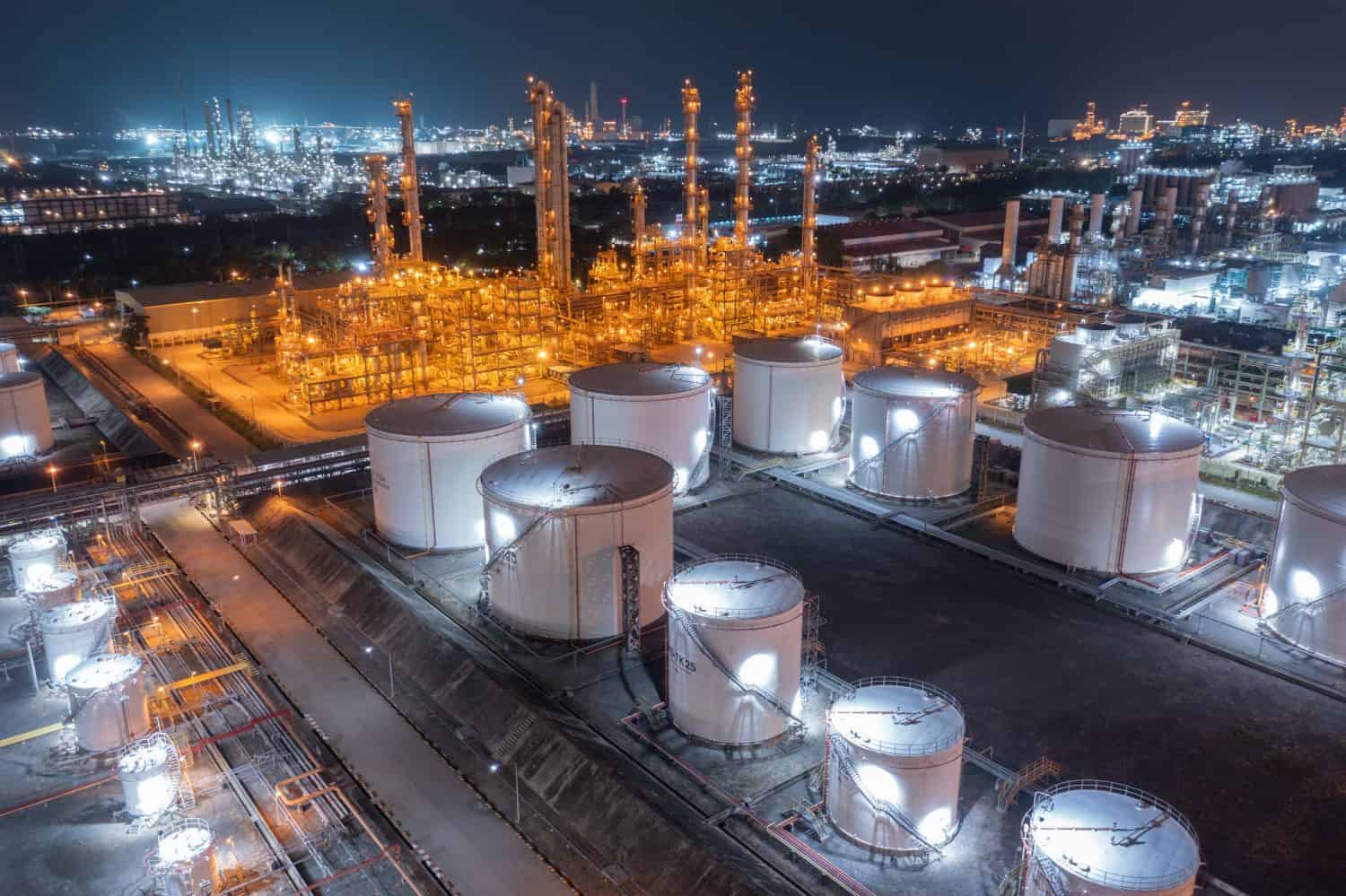
Argentina possesses numerous resources, including a robust agricultural sector, Vaca Muerta shale oil reserves, lithium deposits, and companies that have successfully entered global markets. These assets indicate a strong foundation for building a more robust and diversified economy. The decisions made now will determine the ownership and distribution of profits, as well as the sustainability of future investments. By 2040, these choices will define the structure and competitiveness of the Argentine economy.
Comparisons to neighboring countries such as Poland, Romania, and Bulgaria illustrate the complexities of economic transformation. Despite entering the European Union's single market and accessing European funds, foreign capital, and common rules, these countries have not achieved identical levels of economic success. Poland has transformed its economy and moved toward high-income status, while Romania has narrowed the gap with the West, yet faces challenges in capital markets, institutional weaknesses, and business innovation.
Bulgaria, like Poland and Romania, benefits from EU access and investment but continues to struggle with productivity and demographic issues.
The absence of a centralized economic model like the European Union in Argentina poses a unique challenge. Instead, Argentina must navigate a diverse array of external partners, including Mercosur, the IMF, China, the United States, the European Union, and global capital markets. Each partner offers distinct advantages and limitations.
The critical question for Argentina is not merely the inflow of capital but the transformation of that capital into sustainable, locally-driven economic growth. RIGI, which guarantees tax and customs stability for large projects over three decades, signals investor confidence, particularly in energy, mining, and infrastructure sectors.
However, the true measure of success will be the creation of a local entrepreneurial ecosystem capable of retaining profits and driving innovation.
Creating local suppliers, financiers, managers, and owners is paramount. If successive investment cycles rely on external capital and technology, the economic fabric will remain fragile. Argentina has the potential to nurture its entrepreneurial talent, but the challenge lies in developing companies that employ hundreds or thousands of people, invest their own capital, and expand internationally.
The transition from small businesses to large enterprises requires external financing, professional management, advanced technology, skilled personnel, and access to new markets. It is a transition that cannot be achieved solely through the efforts of individual entrepreneurs.
Access to financing remains a significant constraint. In response, the World Bank and the Multilateral Investment Guarantee Agency (MIGA) have launched a $2 billion package aimed at mobilizing commercial financing in Argentina. This initiative includes lowering the cost of capital and enhancing smaller companies' access to finance, acknowledging the crucial role financing plays in economic development.
Looking ahead, Argentina faces a pivotal decade. Decisions made over the next ten years will shape the country's economic future. While the initial reforms have laid a foundation for stabilization, the path to a prosperous, self-sustaining economy will require a concerted effort to build a resilient, domestically-driven economic structure.
Written by urgent.news from The Rio Times's reporting — not their text. Machine-written — may contain errors; check the original before relying on it.