The Iran war is becoming a global economic endurance test
THE widening of the Middle East conflict into Yemen and drone strikes on a critical Saudi oil pipeline highlight an uncomfortable reality: the Iran war is no longer a short-lived energy supply shock, but a prolonged, unpredictable test of global economic endurance.
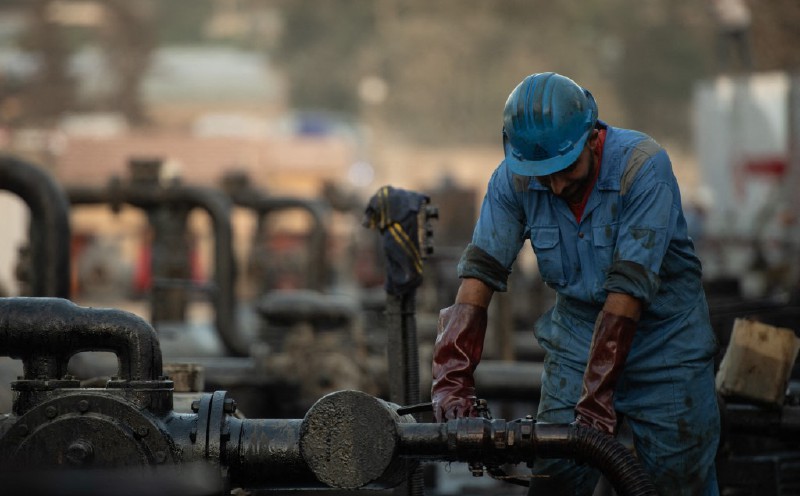
The Iran conflict has evolved into a long-term global economic challenge, as evidenced by recent developments in Yemen and Saudi Arabia's oil infrastructure. With crude oil prices surpassing $100 a barrel, markets are now grappling with a more volatile and unpredictable phase of the war. The United States, previously forecasted by President Donald Trump to end within weeks, now appears more optimistic, but recent events suggest this may be overly optimistic.
Yemen's Iran-aligned Houthis have tightened their grip on the Bab el-Mandeb Strait, which serves as a critical shipping route, and have announced a naval blockade that excludes only Saudi vessels. Meanwhile, Saudi Arabia's East-West oil pipeline, a key alternative to the Strait of Hormuz, was briefly shut down following drone attacks from Iraq. This has severely impacted Saudi Arabia's oil exports, bringing them to their lowest level in over three decades.
The Middle East oil exports, once the world's largest, have plummeted to six million barrels per day, nearly halving. This has significantly reduced global crude oil stocks, with refined products like diesel, petrol, and jet fuel suffering even more, with regional exports remaining nearly 60% below pre-war levels. This has led to severe fuel shortages, particularly diesel, driving prices to record highs.
The situation is precarious, as the Middle East remains the world's most important energy-producing region. Disruption to Saudi Arabia's Red Sea exports could further strain global inventories and cause further reductions in Hormuz traffic. Tanker operators are wary of entering conflict zones, with freight and insurance costs skyrocketing and naval escorts offering only partial protection.
Iran's leadership views the conflict as existential, and they have little incentive to cooperate with the US. Meanwhile, the US has imposed stringent sanctions on Iranian oil exports, which are damaging Iran's economy and increasing the costs of prolonging the conflict. These competing pressures could either encourage both sides to seek a resolution or push them to continue fighting.
Written by urgent.news from New Straits Times's reporting — not their text. Machine-written — may contain errors; check the original before relying on it.