Arbeitszeit: Dieser Rechner zeigt, wie viel Sie künftig arbeiten müssen
Sollte KI nicht Arbeitszeit ersparen? Erste Studien zeigen, dass teils das Gegenteil der Fall ist. Woran das liegt – und wie viel mehr oder weniger Sie womöglich bald arbeiten.
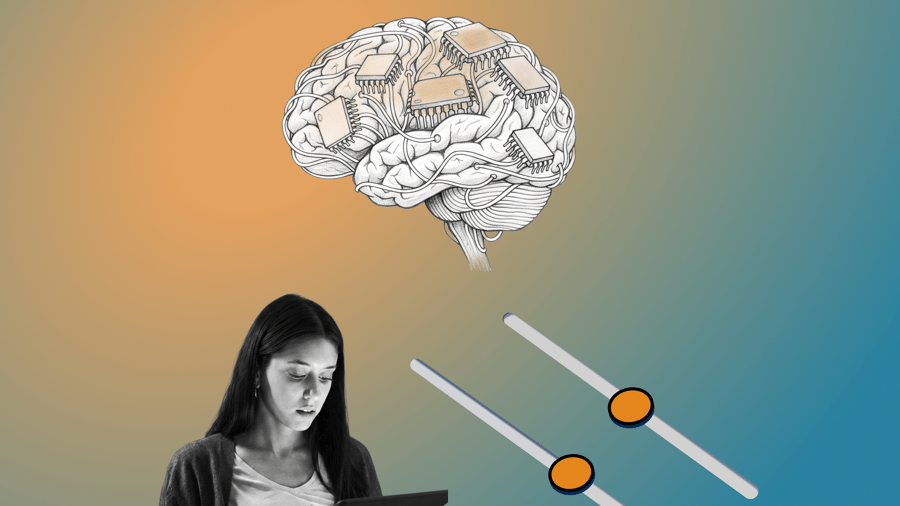
Many workers experience increased workload due to artificial intelligence (AI), contrary to popular narratives that claim AI will reduce the need for jobs and make people more efficient. Wei Jiang, an economist at Emory University, has been puzzled by the contradiction between AI's productivity promises and the reality of increased stress for many employees. Jiang and her colleagues examined how AI actually changes daily work routines, focusing on the increase in working hours in the United States.
According to data from the American Time Use Survey (ATUS), US work hours are generally increasing rather than decreasing. This research has identified two key factors influencing future work hours: the industry a person works in and the level of AI usage in their company. Employees who use AI extensively tend to work more than before, which aligns with surveys from the IT industry suggesting that programmers are working more hours in the AI era.
One possible reason for this increased workload is the heightened competition among businesses in an AI-driven work environment. Instead of maintaining the same output with fewer working hours, companies may aim to boost their output using technology. Additionally, research suggests that job markets with less job security and the AI hype contribute to longer working hours, particularly among middle managers who feel pressured to demonstrate their effectiveness in using AI.
The focus is shifting from routine tasks and simple knowledge retrieval to more control-oriented work. Consequently, employees spend more time verifying AI-generated solutions, which can lead to overwork and exhaustion, especially when checking AI outputs and switching between multiple applications. A BCG study coined this phenomenon "AI Brain Fry," referring to the feeling of mental exhaustion caused by continuously reviewing AI-generated work and switching between applications. This can lead to increased errors and a greater desire for job changes.
While job cuts due to AI are still rare, Jiang and Venz note that the situation may change in the future. As AI takes over more tasks previously handled by new employees, such as rewriting code or implementing simple functions, certain entry-level roles may be restructured. This could result in existing employees taking on more responsibilities and facing increased workload.
Written by urgent.news from Handelsblatt's reporting — not their text. Machine-written — may contain errors; check the original before relying on it.
This story
This is one outlet's version. Read the fullest account.