Uber paid drivers more than it charged passengers in Nigeria — report
The ride hailing giant subsidized drivers on short trips as inflation and weak demand made passengers price sensitive.
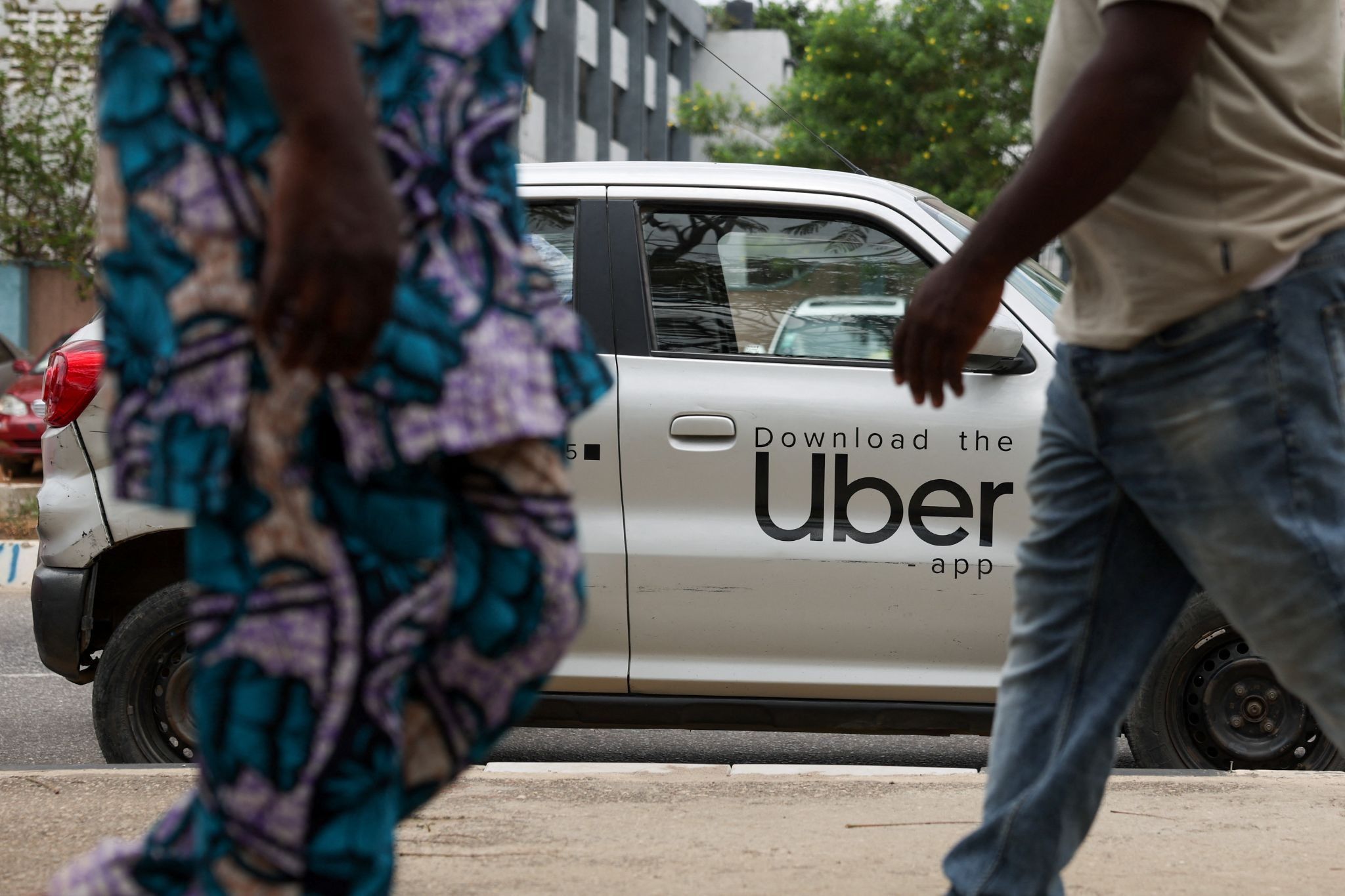
A new report reveals that Uber paid drivers in Nigeria more than it charged passengers for short trips, a subsidy that contributed to the ride-hailing giant's abrupt exit from the country. The company ceased operations in Nigeria and Uganda on September 2, the same day it announced a global restructuring that laid off 10% of its workforce.
Obi, a California-based data aggregator, found that Uber paid drivers more than the passenger paid for trips under 12 miles (20 km) in Nigeria. In some cases, the company paid drivers 23% more than the passenger was charged. Despite adjusting this pattern above the 12-mile threshold, Uber still provided an "over-generous" subsidy for short rides that drivers would not accept otherwise.
The report's author, Ashwini Anburajan, noted that low passenger demand, high inflation, and currency depreciation made it difficult for Uber to sustain its operations in Nigeria. Uber entered the Nigerian market in 2014 with a billion dollars in investor capital, promising efficient transport to passengers and a reliable income for drivers.
However, despite multiple attempts to adapt, Uber's exit was likely due to a challenging macroeconomic environment, with fuel prices rising five-fold and the naira currency depreciating by more than 70% since 2023. Local competitors InDrive and Bolt, which adjusted their operations to local preferences, are now the main beneficiaries of Uber's exit, as they have gained a significant market share.
Written by urgent.news from Semafor's reporting — not their text. Machine-written — may contain errors; check the original before relying on it.