The Brutal Origins of Bear-Baiting
The practice exploded in popularity following the Norman Conquest The post The Brutal Origins of Bear-Baiting appeared first on Nautilus .
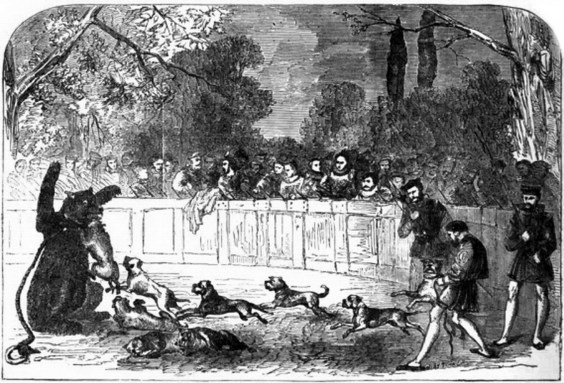
Bear-baiting, a brutal form of entertainment in which dogs were set upon chained and muzzled bears, gained immense popularity in Elizabethan England following the Norman Conquest. The practice can be traced back to 1066, as evidenced by literary accounts, book illustrations, and archaeological findings. While bears had gone extinct in Great Britain centuries prior, they were still imported for the spectacle, despite the costs involved in obtaining them.
Newly carbon-dated artifacts, such as a bear's shoulder bone discovered in the 19th century and bear skins and bones found at seven archaeological sites throughout England dating from around 1000-1300 CE, confirm the widespread nature of this practice. Liam Lewis, a researcher from Cardiff University, stated that bear-baiting was not merely a pastime of the aristocracy or the wealthy but was also enjoyed by the general public.
The practice was met with moral criticism even at an early stage, with writers lamenting the excesses of such entertainment. In 1585, Parliament attempted to ban blood sports like bear-baiting on Sundays, but the queen, a fan of the practice, vetoed the bill. Bear-baiting ceased to be popular by the mid-19th century but was not officially banned until 1835.
A more hopeful development took place in 2019, when Bristol Zoo launched the Bear Wood project, which allowed visitors to observe bears in their natural habitat. This initiative represents a more humane approach to understanding these magnificent creatures and their historical role in English culture.
Written by urgent.news from Nautilus's reporting — not their text. Machine-written — may contain errors; check the original before relying on it.