Sweden’s general election on a knife-edge as far-right trails by narrow margin
Sweden's national election results showed a slender lead early on Monday for the centre-left opposition over the right-wing government. The left-leaning bloc, headed by the Social Democrats' leader Magdalena Andersson, is expected to win 176 seats in the 349-seat parliament, the Riksdag, based on votes from 6,195 of Sweden 's 6,312 election districts, the election authority said. The right-wing…
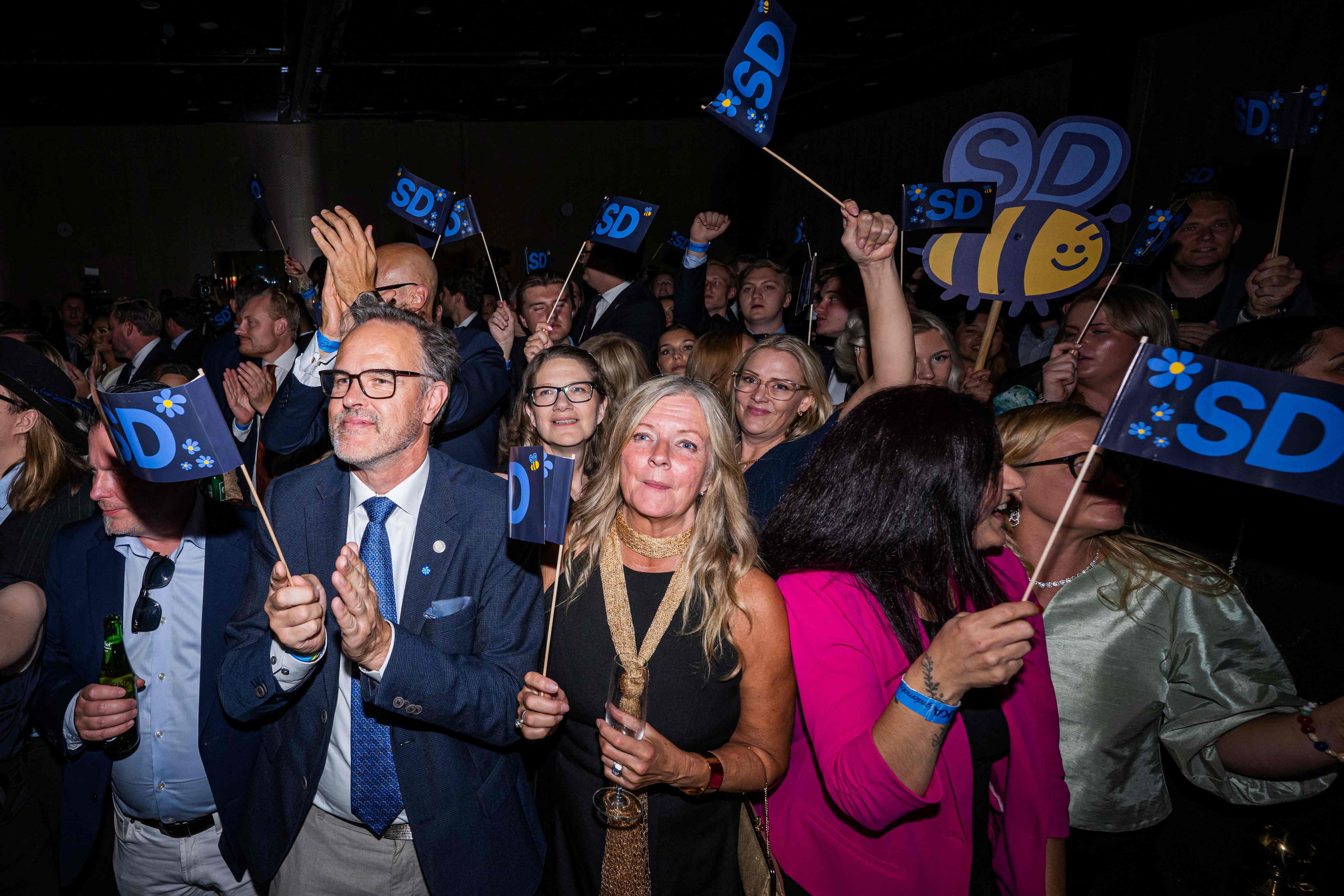
Sweden's closely contested general election on Monday saw the centre-left opposition edging ahead of the right-wing government. The left-leaning coalition, headed by Social Democrats leader Magdalena Andersson, is projected to secure 176 seats in the 349-seat parliament, the Riksdag, based on votes from 6,195 of Sweden's 6,312 election districts, according to the election authority.
The right-wing governing bloc led by Prime Minister Ulf Kristersson is expected to win 173 seats, with final results anticipated on Wednesday at the earliest.
While the election may not alter Sweden's pro-western and pro-Ukraine stance, it could determine whether Kristersson's agenda to tighten migration policies continues or intensifies. Given the narrow margin, the outcome might not be confirmed for several days, pending the counting of overseas ballots. Kristersson, breaking a long-standing taboo in his pre-election pledge, indicated that he would invite the far-right Sweden Democrats into his coalition government, aiming to form a majority-right alliance.
Some right-wing voters view a win as an endorsement of policies that have curbed gang violence and significantly reduced immigration, while some in Sweden's 10.6 million population are uneasy about Kristersson's invitation to the far right, deeming it a step too far.
Critics of the Prime Minister argue that his immigration policies, which include incentives and penalties to pressure migrants to conform to Swedish cultural norms or leave the country, are undermining civil liberties. Kristersson, despite trailing in opinion polls throughout his four years in office, has been catching up in recent weeks.
Meanwhile, Social Democrat leader Andersson and her party have lost ground. Following the voting results, Kristersson expressed hope of still forming a majority alliance among the eight political groups that secured seats in the Riksdag, emphasizing the popularity of his party's economic policies compared to the opposition's. Andersson's bloc is divided on issues such as migration, welfare, and nuclear energy, with potential challenges in securing support for her budget plans due to disagreements within her own party.
The electoral success of the Sweden Democrats would be welcomed by Europe's growing far-right parties, buoyed by the Alternative for Germany's victory in a recent German state election. Far-right parties are eyeing gains in upcoming European elections, with the National Rally's campaign for the French presidency in 2022 potentially its biggest target.
In the latest results, the Sweden Democrats, led by long-standing leader Jimmie Akesson, are set to lose both parliamentary seats and vote share for the first time in Akesson's more than two decades as party leader.
Written by urgent.news from The National UAE's reporting — not their text. Machine-written — may contain errors; check the original before relying on it.
This story
This is one outlet's version. Read the fullest account.