Police surgeon alleges pressure, threats to hide evidence against suicide before Mir Raza judicial commission
Claims the murder case has 'put her career and job at risk'
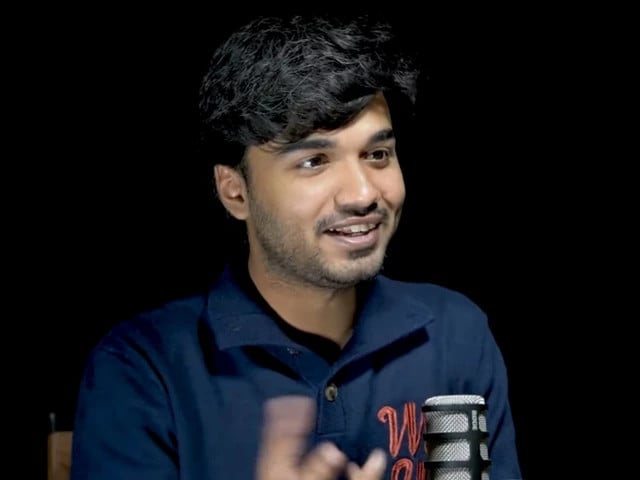
On Monday, Dr. Summaiya Syed Tariq, a police surgeon, addressed a judicial commission examining the murder of Mir Raza. Dr. Tariq alleged that she encountered threats, surveillance, and pressure, with Deputy Inspector General Amir Farooqi instructing her to omit that the post-mortem findings suggested an inconsistency with suicide.
On July 29, Mir Raza, aged 25, was discovered dead in the woods near a wedding venue in Gulistan-e-Johar. Following an initial investigation, the court mandated a second post-mortem examination, which corroborated the family's conviction that he was murdered. The police investigation has come under intense public scrutiny due to past errors that even the Sindh Police chief acknowledged.
During the commission hearing at the Sindh High Court (SHC) in Karachi, Dr. Tariq claimed that Farooqi had asked her to exclude the portion of the report indicating the findings were inconsistent with suicide. She further disclosed that she had been stalked for two days and received threats. Dr. Tariq expressed that the case had jeopardized her career and personal safety, as her home address and her husband's name were disseminated on social media and her family was implicated in criminal activities.
She reported the matter to the National Cyber Crime Investigation Agency (NCCIA), but her concerns were unaddressed. Justice Omar Sial offered her police or rangers security, which she declined. The judge mandated the additional law secretary to ensure her safety and referred the matter to the Sindh chief minister and interior minister.
Dr. Tariq also accused Central Investigation Agency (CIA) Inspector Muhammad Ali of requesting the case file. Justice Sial summoned the officer to appear before him at the next hearing. Regarding the medical board, Dr. Tariq asserted that its members, including specialists, were competent and the board had taken 263 photographs during the second post-mortem.
She also mentioned that the Sindh health department deputy secretary had threatened to remove her from the board, but she refused. The composition of the medical board was subsequently altered, with all members, except Dr. Tariq, replaced. The health secretary reinstated the original medical board after the victim's family objected.
Dr. Tariq had previously recommended exhuming the body due to false negative results during the autopsy caused by sampling delays. She reiterated her demand for a second post-mortem during a meeting with the police on August 5. Justice Sial inquired about the validity of the Sindh Medicolegal Act 2023, to which Dr. Tariq confirmed it was in effect, though the rules had not been notified.
Advocate Jibran Nasir pointed out that the SHC had directed authorities in 2024 to notify the rules, but the order had not been enforced. The medical board's findings focused on the presence of an anesthetic in Mir Raza's body. Dr. Tariq contended that Dr. Usama had misinformed the commission about the half-life of the anesthetic and the time of death, stating that the anesthetic's presence in Mir Raza's heart indicated it was injected into the bloodstream.
The commission recognized incidents where anesthesia had allegedly been sprayed on individuals, causing them to lose consciousness. The commission would seek recommendations from Dr. Tariq beyond the specific case. Suicide theories were debunked in the proceedings.
Written by urgent.news from The Express Tribune - Pakistan's reporting — not their text. Machine-written — may contain errors; check the original before relying on it.
This story
This is one outlet's version. Read the fullest account.