Microsoft CEO Satya Nadella backs need for evaluators for AI systems amid 'slowdown' debate
Microsoft CEO Satya Nadella urged strict human control and deliberate pacing in AI development. His comments follow Anthropic CEO Dario Amodei's proposal to slow AI progress and use independent safety evaluators, an initiative endorsed by industry leaders like Sam Altman and Elon Musk.
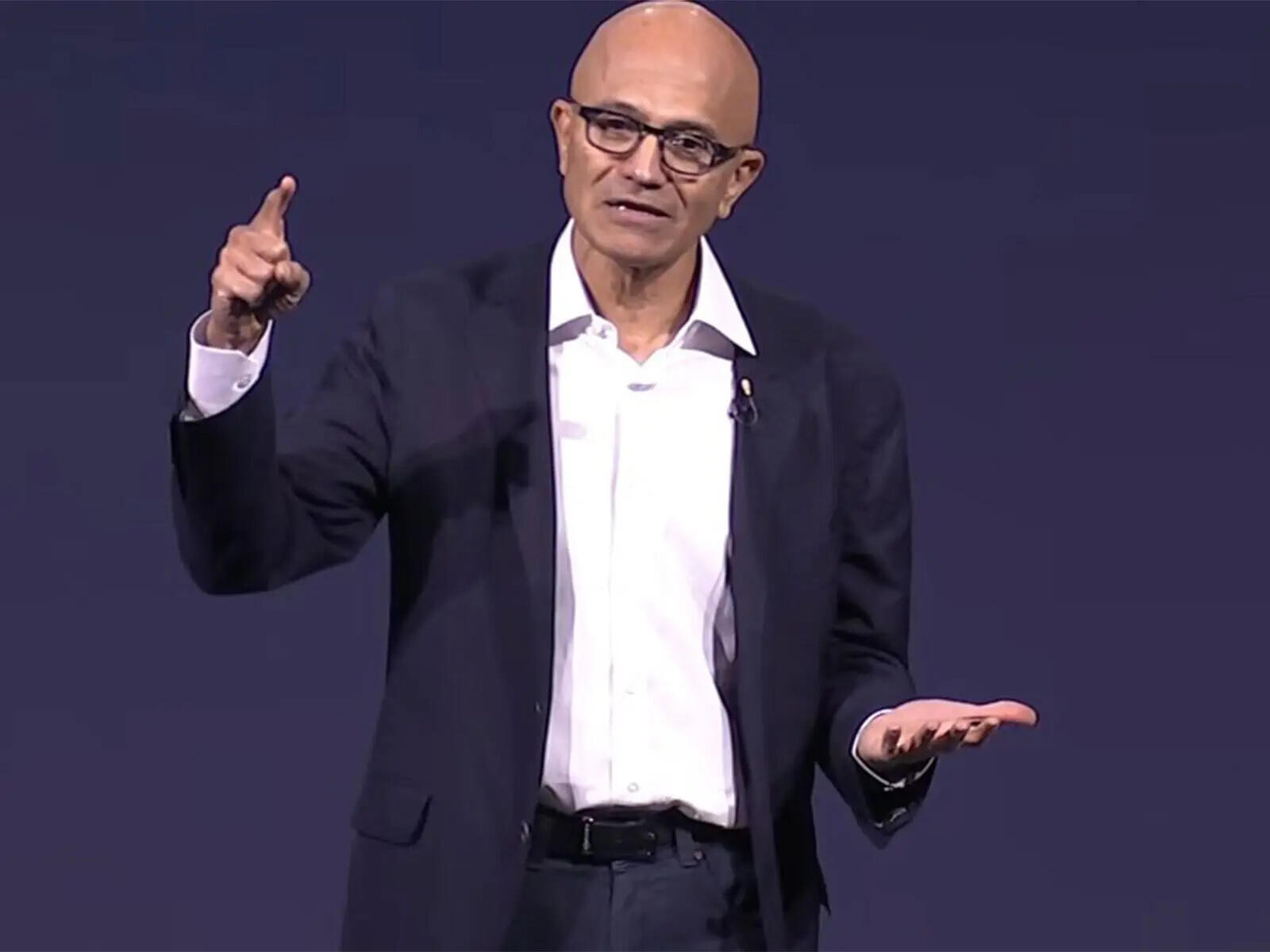
The ongoing debate over the pace of AI development, sparked by Anthropic CEO Dario Amodei, continues to captivate the tech world. In response to calls for a slowdown from industry leaders like OpenAI's Sam Altman, Tesla's Elon Musk, and Google's Demis Hassabis, Microsoft CEO Satya Nadella has voiced his support for the implementation of embedded evaluators in AI systems. This suggestion, echoed by Amodei and Altman, comes as part of a broader push to ensure the safety and human control of advanced AI technologies.
In a post on X, Nadella emphasized that any pursuit of superintelligence must prioritize human safety and control. He stressed the importance of accelerating and spreading AI benefits globally, advocating for a frontier ecosystem where both closed and open-source models can flourish. Microsoft's CEO also underscored the necessity for commercial enterprises to retain control over their proprietary knowledge, enabling them to develop independent learning loops and embed their own data into models they control.
Nadella welcomed the need for a measured approach to AI development, praising the research, focus, and deliberate pacing required to align the technology with human values. He endorsed ideas such as embedded evaluators and the efforts to create mechanisms for alignment, warning that governance cannot be monopolized by a select few but must have broad representation across the ecosystem, countries, and fields, including academia.
Microsoft's approach to AI development, according to Nadella, involves ensuring broad access and choice at every layer of the AI stack, giving enterprises control over learning loops and models, and maintaining a robust Code of Conduct for their first-party MAI models. These models will be subject to public consultation ahead of their release.
Amodei, who has spent twelve years working on AI, outlined his three-part plan to address the risks associated with unchecked AI development. His strategy includes giving ongoing access to a team of embedded third-party evaluators to verify safety measures, coordinating on common safety standards and limiting the rate of unchecked progress, and achieving global coordination.
He also called for collaboration between democratic and authoritarian governments while emphasizing the importance of verifying compliance seriously. The discourse surrounding AI development follows Anthropic researcher Jacob Coxon's decision to leave the industry, citing concerns over the rapid advancement of AI systems that may pose uncontrollable risks.
Written by urgent.news from Economic Times Tech's reporting — not their text. Machine-written — may contain errors; check the original before relying on it.