Japan’s biomass demand fuels deforestation in Indonesia
AgenciesA surge in Indonesia’s wood pellet and chip production is driving a new wave of deforestation, threatening the vast archipelago’s remaining tropical forests, vital biodiver...
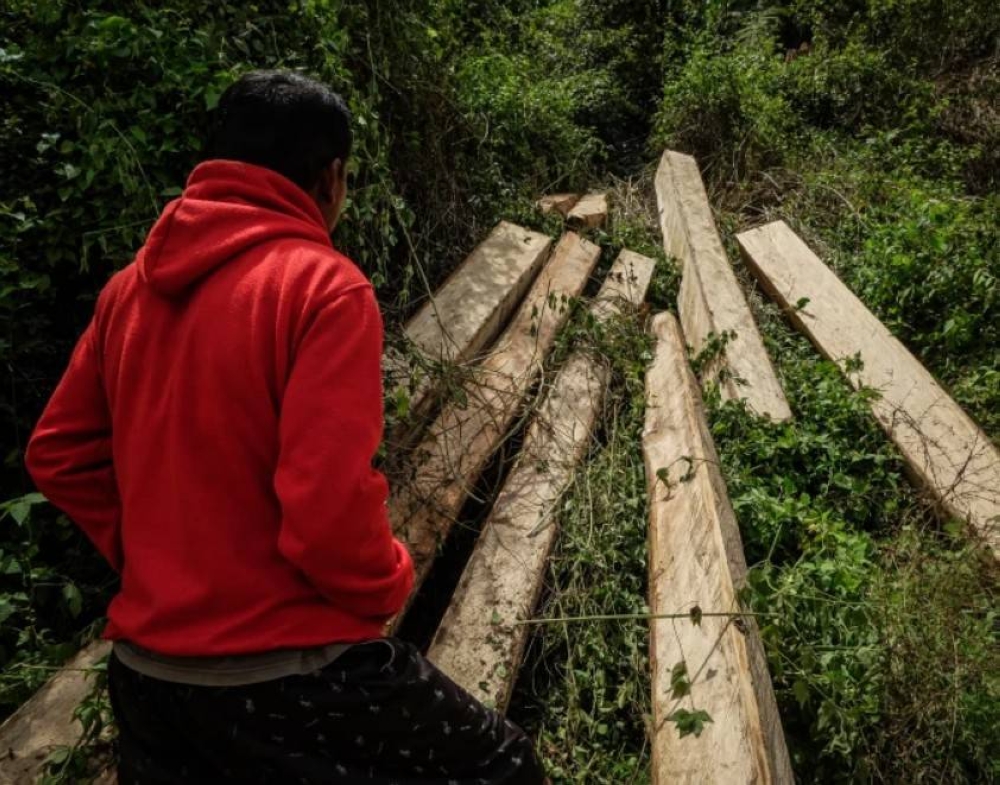
Indonesia's wood pellet and chip manufacturing boom is triggering rampant deforestation, imperiling the country's remaining tropical forests, biodiversity hotspots, and Indigenous lands, according to fresh satellite analysis from environmental NGOs. As biomass power — predominantly generated by burning wood — gains traction globally as nations hasten their shift to cleaner energy sources, experts warn that this growing sector could become a new driver of deforestation in Indonesia.
"The biomass industry has become a new driver of deforestation in Indonesia," stated Timer Manurung, director of Indonesia-based group Auriga Nusantara, which contributed to the recent study. "And most of the biomass product is for export, with Japan as the biggest destination." Japan's soaring demand for Indonesian wood pellets, driven by its objective to meet renewable energy targets, is raising alarms among critics who argue that continued subsidies and lax oversight of the supply chain will likely permit the destruction of pristine Indonesian forests to persist.
Global bioenergy usage has surged over 55% between 2015 and 2024, as per the International Energy Agency. In Japan, it constitutes a modest but expanding slice of electricity generation — under 6% in 2024, according to the Institute for Sustainable Energy Policies. Environmentalists and scientists caution that the continued surge in international demand, coupled with weak domestic regulation, will further accelerate deforestation.
Simultaneously, critics contend that using biomass to co-fire, instead of transitioning directly to clean energy, merely extends the use of highly polluting fossil fuels. Biomass, organic material such as plants, wood, and waste, can be seamlessly integrated into many coal-fired power plants alongside coal to produce energy. Experts, including the IEA, emphasize the importance of meeting biomass demand sustainably, such as by utilizing waste and crop residues instead of converting forest land to cultivate bioenergy crops.
Deforestation not only contributes to erosion, damages biodiverse areas, endangers wildlife and humans who depend on the forest, but also intensifies the impact of extreme weather disasters.
Written by urgent.news from Qatar Tribune Business's reporting — not their text. Machine-written — may contain errors; check the original before relying on it.