iPhone 18 Pro and Pro Max variable aperture camera explained — here's what it actually does
By adding a variable aperture to the 48MP main camera, the iPhone 18 Pro and Pro Max give shooters new creative ways to capture and more control of the light.
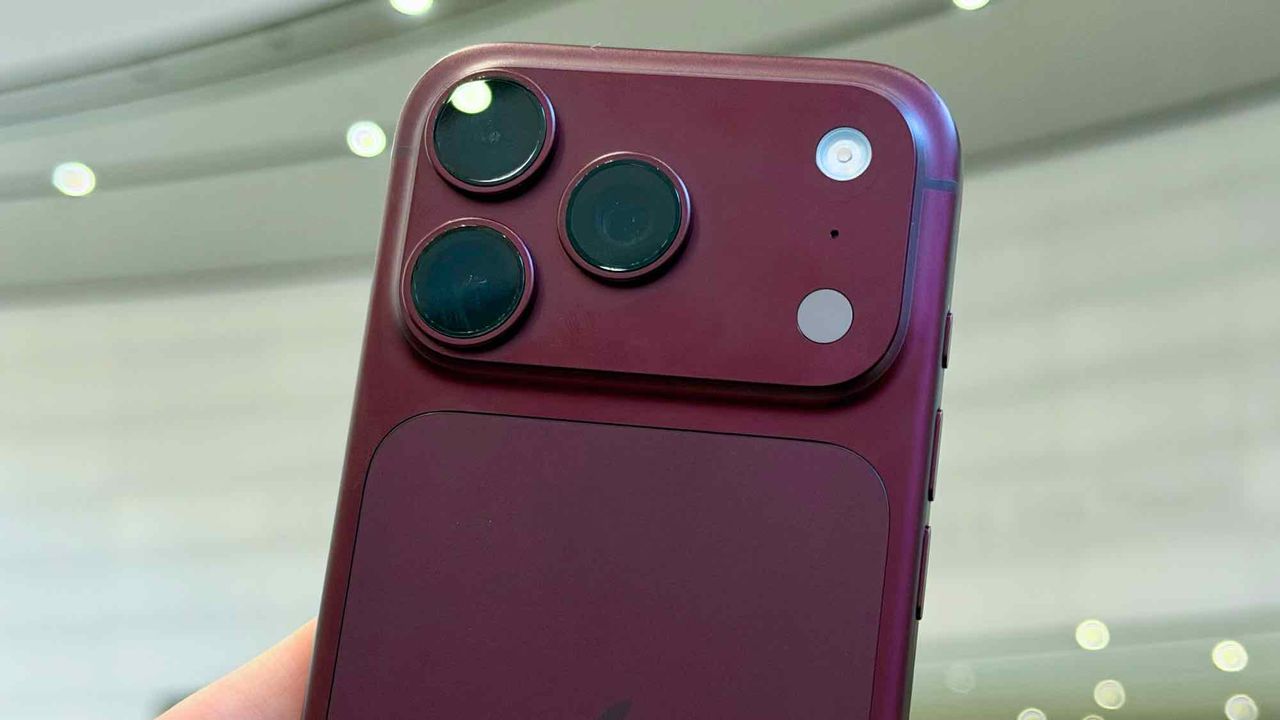
The iPhone 18 Pro and Pro Max cameras introduce a groundbreaking feature: a variable aperture system. Unlike previous iPhones that had fixed apertures on their main cameras, this new system allows photographers to control the aperture mechanically, offering four distinct aperture values: f/1.48, f/1.8, f/2.8, and f/4.0. This variable aperture system, similar to the human eye, adjusts the amount of light entering the lens based on the shooting conditions.
Using the variable aperture system provides several benefits. A wide aperture of f/1.48, like a large pupil, allows more light to hit the sensor, resulting in better low-light performance. This feature reduces image noise, enhances shadow detail, and enables faster shutter speeds, making it easier to capture clear images in dark environments.
Conversely, a smaller aperture of f/4.0 reduces the amount of light entering the lens, allowing for a greater depth of field. This is ideal for portraits, landscapes, and group shots, as it keeps subjects in focus while creating a soft background blur. It also enables the use of longer shutter speeds, which can help freeze motion in fast-moving scenes, such as pets playing or children running.
The variable aperture system thus offers photographers greater creative control and flexibility in various shooting scenarios, making it a significant advancement in iPhone photography.
Written by urgent.news from Tom's Guide's reporting — not their text. Machine-written — may contain errors; check the original before relying on it.