EPA repeals limits on greenhouse gas emissions from power plants
The EPA announced it is repealing rules limiting greenhouse gas emissions from coal and gas-fired power plants. The move eliminates requirements that would have forced some power plants to sharply reduce their emissions, including through technologies such as carbon capture and storage. Geoff Bennett discussed what this rollback means with Vickie Patton of the Environmental Defense Fund.
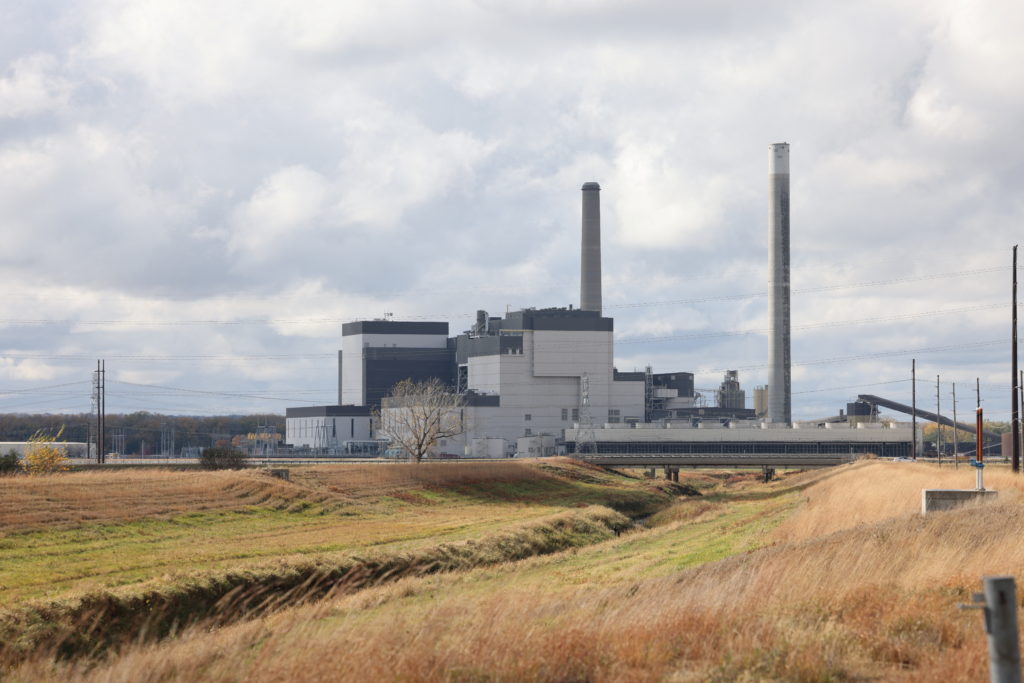
The Environmental Protection Agency (EPA) has repealed rules limiting greenhouse gas emissions from coal and gas-fired power plants. According to the EPA, this move will remove over $300 billion in costs for the industry, as reported by Mongabay. The repealed rules would have required power plants to sharply reduce their emissions, potentially through technologies such as carbon capture and storage.
The reversal of these emission limits could have significant effects on efforts to address climate change, with Scientific American suggesting it could be devastating. The rule change represents a shift from efforts by Democratic Presidents Joe Biden and Barack Obama to address climate change and clean up industrial pollution.
The EPA stated that the change will allow utilities to make the best decisions for their ratepayers rather than being forced to close aging or inefficient plants, as reported by Mongabay. The rule change is expected to face immediate legal challenges and may prevent future administrations from regulating greenhouse gas emissions from power plants, according to CityNews.
Brief written by urgent.news from PBS NewsHour Science, Scientific American, Mongabay, CityNews — 4 reports on this story. Machine-written — may contain errors; check the original before relying on it.
This story
This is one outlet's version. Read the fullest account.
- EPA is set to eliminate rule that limits planet-warming greenhouse gas emissions from power plants toronto.citynews.ca
- US scraps limits on emissions from coal and gas power plants bbc.co.uk
- EPA eliminates rule that limits planet-warming greenhouse gas emissions from power plants news.mongabay.com
- EPA repeals limits on greenhouse gas emissions from power plants pbs.org
- US Scraps Limits On Carbon Emissions From Coal, Gas-Fired Power Plants ndtv.com
- Trump EPA to repeal emissions regulations of fossil-fuel power plants scientificamerican.com
- US repeals rules limiting greenhouse gas emissions by power plants aljazeera.com
- Trump EPA is to eliminate rule that limits planet-warming greenhouse gas emissions from power plants winnipegfreepress.com