Warming cities can’t afford to sacrifice their urban parks
Some of my earliest memories of Bengaluru, where I spent my summer holidays, are of looking up in wonder at the towering canopy of trees in Cubbon Park. Even in the height of summer, Bengaluru could be cool enough to require a light jacket. Today, the iconic Cubbon Park, the pride of the city I now call home, is under threat. So is Lalbagh Botanical Garden, another of the city’s iconic green…
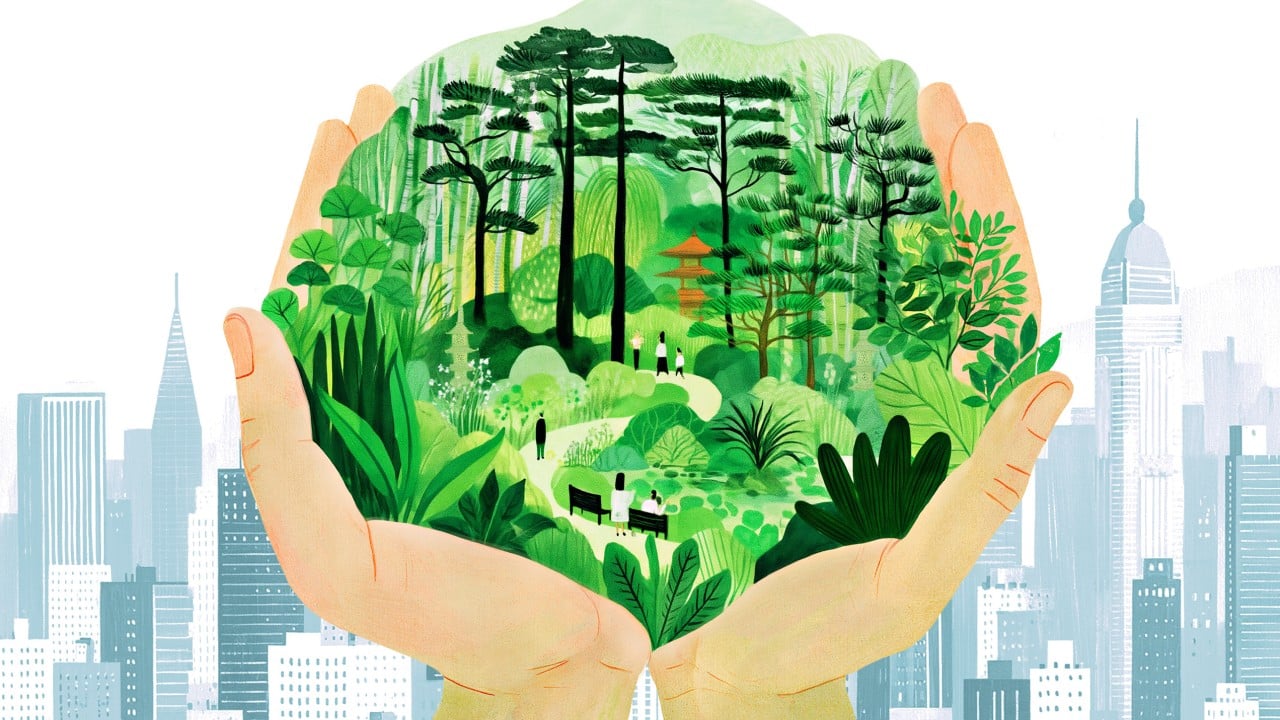
Bengaluru's Cubbon Park and Lalbagh Botanical Garden, cherished green oases in the city, are currently under threat. A recent Karnataka law permits up to 5% of protected parkland for public infrastructure, which could potentially affect 12 acres of Lalbagh and 15 acres of Cubbon Park. This development has fueled protests, as citizens oppose the encroachment on these well-loved spaces.
The protests echo a broader global trend where cities grapple with the dilemma of limited space. Similar movements exist in Mumbai and Singapore, where residents have rallied to protect urban forests from development projects. In fact, over 50 parks and green spaces in London face serious threats from development and commercialization. Globally, the average share of green space in cities fell from 19.5% in 1990 to 13.9% in 2020, with a more pronounced decline in East and Southeast Asia.
China stands out as a counter-example, with cities like Shanghai and Beijing working to increase their green spaces. Shanghai aims to create 2,000 parks by 2036, converting urban spaces into pocket parks to mitigate the city's high population density. Beijing, too, is expanding its green spaces under the Beijing Garden City Plan, with the goal of raising forest cover and providing more green space per person.
Urban parks play a crucial role in improving quality of life and helping cities adapt to climate change. They can reduce air and surface temperatures by up to 5.8 degrees Celsius. While creating new parks and planting trees is essential, preserving existing mature parks is equally important, as their environmental and public health benefits cannot be easily replicated. As cities continue to grow, the preservation of these urban oases becomes a pressing issue.
Written by urgent.news from South China Morning Post's reporting — not their text. Machine-written — may contain errors; check the original before relying on it.
This story
This is one outlet's version. Read the fullest account.