Veteran investor Fang Fenglei on why the China ‘investibility’ debate is no debate at all
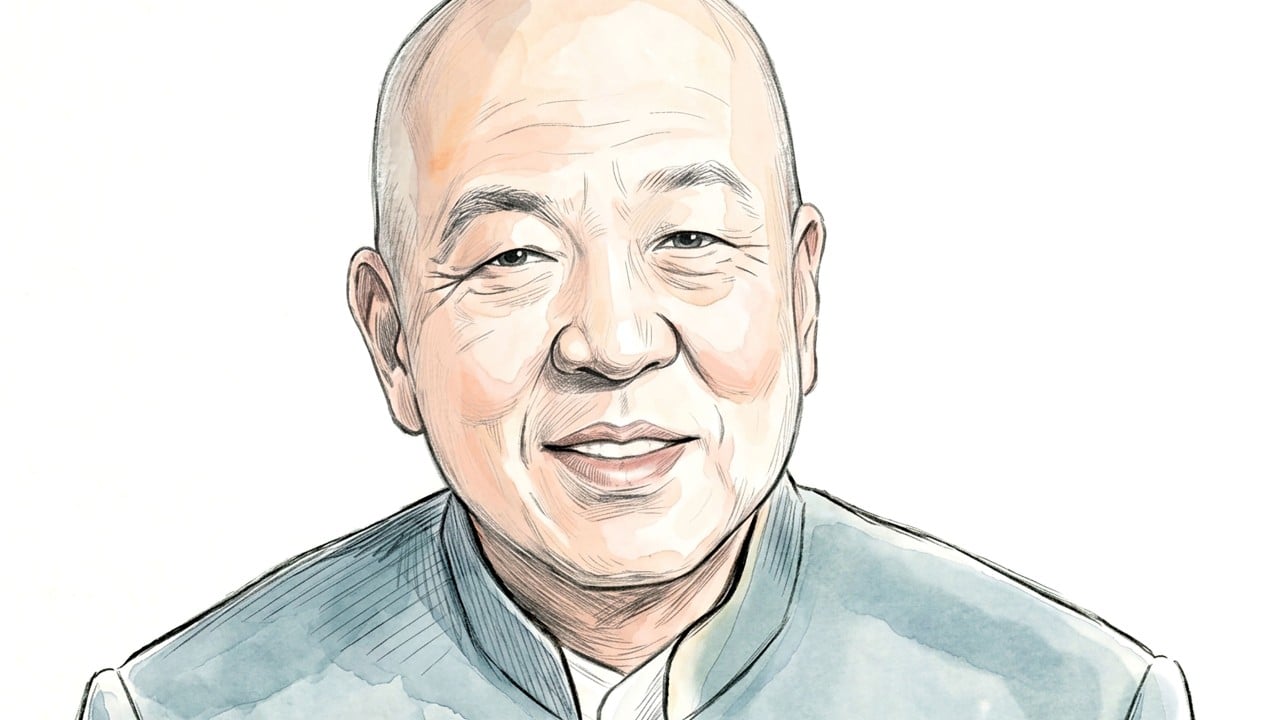
Over the past three decades, investor Fang Fenglei has had a major role in shaping China’s capital markets. He worked with Morgan Stanley in the early 1990s to help create the country’s first joint venture investment bank – China International Capital Corp. Then, at the start of the millennium, he spearheaded the listing of state-owned giants in Hong Kong as CEO of Bank of China International,…
Foreign investors' sentiment towards China's economy remains divided, with differing opinions on the country's "investibility." Multinational corporations can achieve stable operations in China through equity-related and governance-oriented arrangements with Chinese partners. This is demonstrated by Starbucks' joint venture with Boyu Capital, where Boyu holds a 60% stake, while Starbucks retains 40% and owns the brand's intellectual property rights.
Similarly, McDonald's China operates under a 52% Citic-led consortium ownership, with McDonald's holding 48%.
Despite concerns about falling birth rates and weak domestic demand, these are global issues influenced by factors such as trade protectionism, regional conflicts, and shifts in the global industrial landscape. As the world's second-largest economy, China's pursuit of moderate, high-quality growth represents a healthy trajectory, making arguments claiming China has lost its investment merit unfounded.
China's property adjustment has been prompted by changing market conditions, proactive government efforts to deleverage, deflate bubbles, and fend off systemic risks. Although the property sector has historically carried high leverage, recent regulatory measures have helped steer resources towards strategic emerging industries. In the first half of 2026, China's investment in hi-tech industries rose by 4.6%, while value-added output of hi-tech manufacturing expanded by 13.3%.
China and the United States are the only two nations with AI capabilities capable of driving full-chain industrial development, and China is also leading in biopharmaceutical innovation. Total out-licensing deals for Chinese innovative drugs exceeded US$130 billion in 2025 and topped US$100 billion in the first half of 2026. Despite the potential for certain AI segments to become bubbles, these investments in research and development, technological accumulation, and new infrastructure are crucial for long-term growth.
When considering appealing Chinese assets for foreign investors, value-for-money options like Dayao soda, backed by KKR, and premium malls like SKP malls in China are noteworthy. China has largely recovered from the aftershocks of the COVID-19 pandemic, which lasted approximately three years. As such, the recovery phase is also roughly three years long. Historical evidence suggests that each significant shock China has experienced has taken about one-to-one time to recover from.
Written by urgent.news from South China Morning Post's reporting — not their text. Machine-written — may contain errors; check the original before relying on it.
This story
This is one outlet's version. Read the fullest account.