Osaka's Izumisano plans 1st city-led baby hatch as experts eye legal debate
OSAKA -- The Izumisano Municipal Government in Osaka Prefecture is seeking to establish Japan's first municipally led baby hatch, a move experts say c
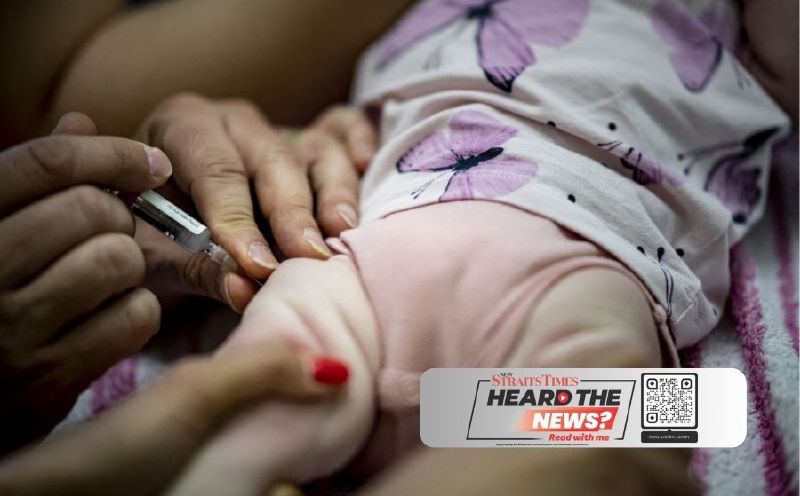
Izumisano Municipality in Osaka Prefecture is planning to become Japan's first city to lead the establishment of a baby hatch, a facility that could spark broader legal and policy conversations on assisting women facing unplanned pregnancies. The new center is set to open in fiscal 2027 at a local medical center. For women opting for a confidential birth, the birth will be delivered while maintaining their identity discreetly only disclosed to a limited hospital staff.
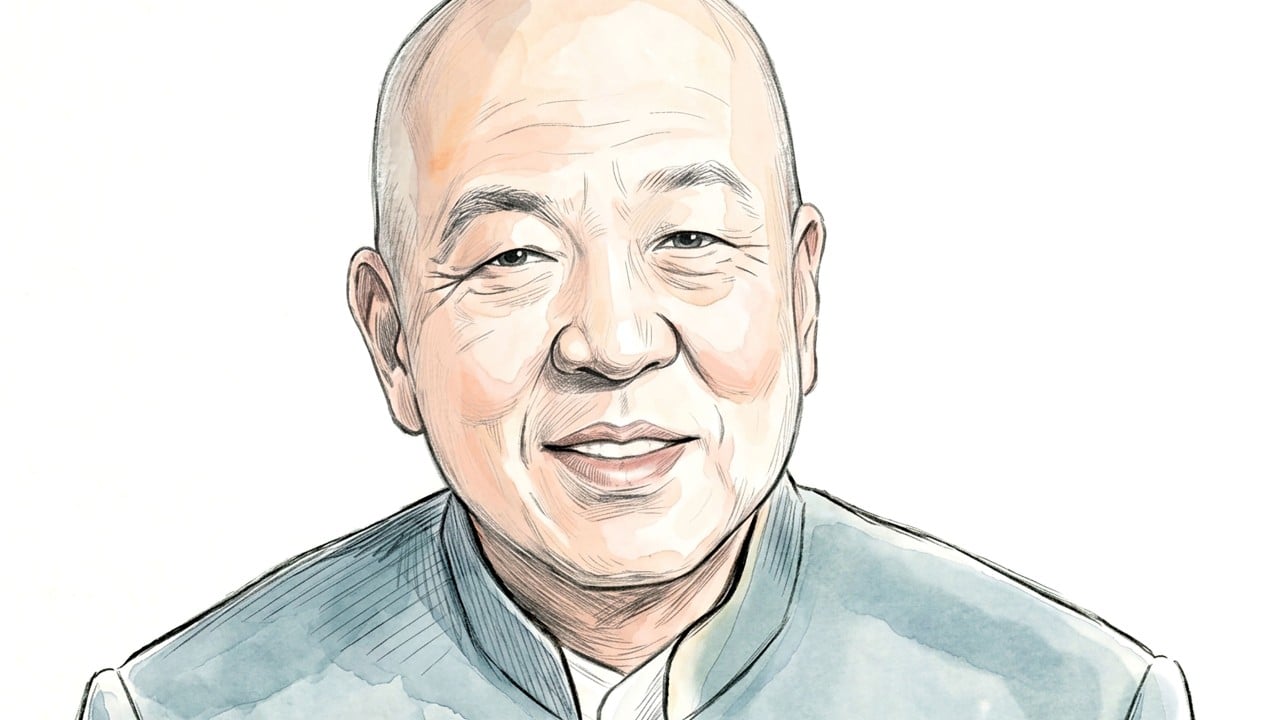
Kyoko Sakamoto, an ethics professor at Osaka Medical and Pharmaceutical University and an authority on baby hatches and confidential births, supports the Izumisano project. She predicts that if the initiative gains traction, it could serve as a practical blueprint for other local governments to follow, making it easier for them to adopt similar measures.
Sakamoto emphasizes the necessity of creating a stable support system where the individuals in charge of the baby hatch are not frequently rotated due to normal personnel changes. She believes that the municipal government's ability to maintain a reliable operation is crucial for women who face unexpected pregnancies, providing them with confidence and clear information about the support services they can access.
Sakamoto also believes that the municipal government's direct involvement could tackle longstanding legal concerns surrounding baby hatches, potentially paving the way for additional support systems for mothers and children, including an enhanced foster care system. Although Japan's first baby hatch was created in 2007 by Jikei Hospital in Kumamoto and another was added in Tokyo in 2025, these programs mainly rely on dedicated medical institutions.
Various challenges persist, such as improving consultation services for pregnant and postpartum women and providing more support to medical institutions and local governments. Legal matters, particularly regarding a child's right to know about their origins, including the circumstances of their birth, have also remained unresolved.
Calls for the national government to take a more active role in addressing these issues have been increasing, particularly within the ruling coalition. In June, a project team from the Liberal Democratic Party discussed essential issues related to support measures. The team suggested using notary offices to protect a child's right to know their origins, providing temporary solutions for managing identifying information like parents' names and addresses.
Nippon Ishin (Japan Innovation Party), inspired by Izumisano's planned facility, has also formed a project team to advocate for the national government to establish a formal legal structure for such programs.
Written by urgent.news from The Mainichi's reporting — not their text. Machine-written — may contain errors; check the original before relying on it.