Russian region offers record $18,000 reward for recruiting foreigners to fight in Ukraine
The increase comes amid mounting evidence that Russia has relied on foreigners, particularly people from lower-income countries, to replenish its forces.
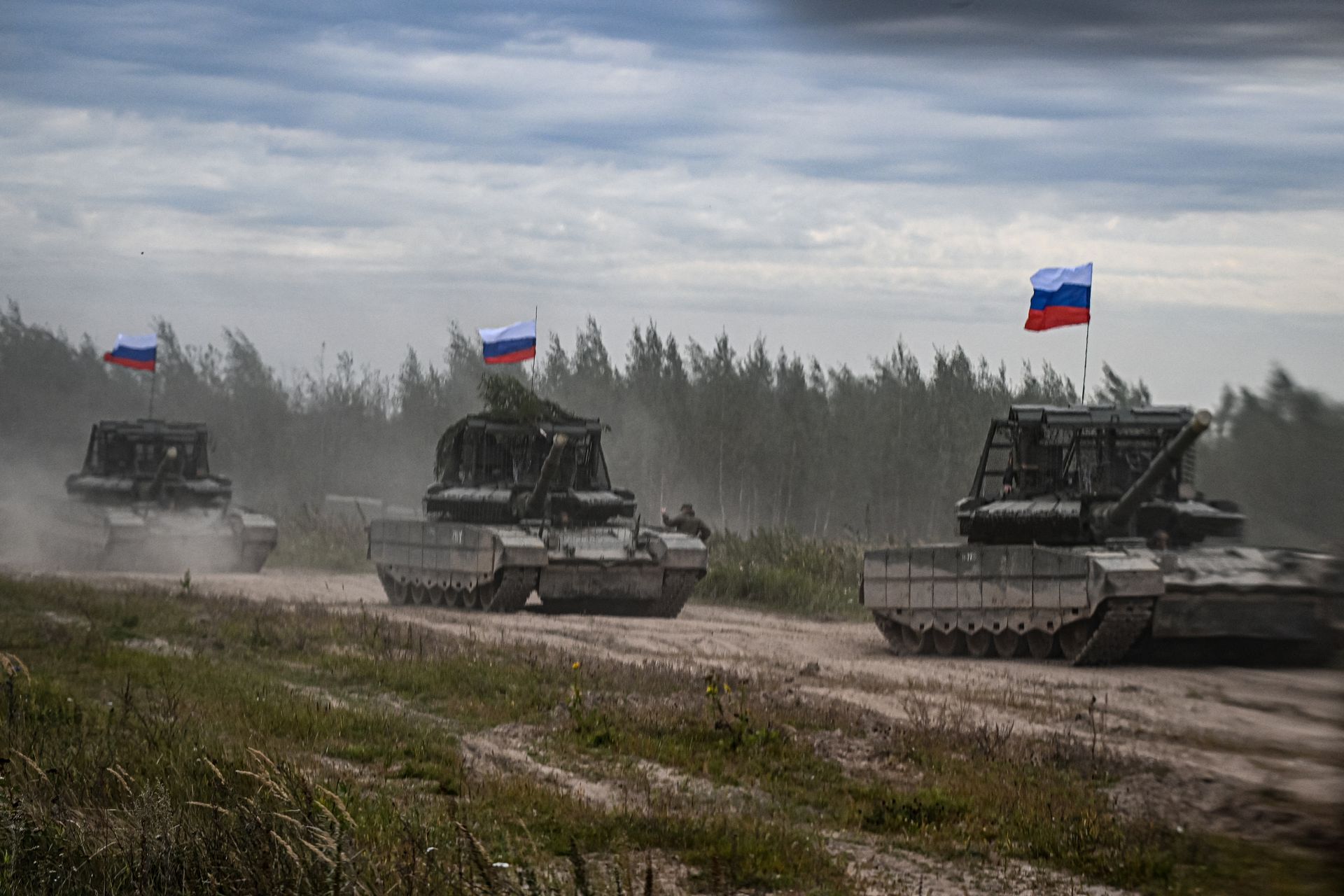
Irkutsk Oblast, a region in Siberia, has set a record by offering a $17,800 bounty for recruiting foreigners to join the Russian military, surpassing any other Russian region, according to independent news outlet Vyorstka. Governor Igor Kobzev signed a decree on September 11, establishing the 1.5 million ruble incentive for recruiting foreign nationals or stateless individuals to sign contracts with Russia’s Defense Ministry.
This significant increase, nearly quadrupling from the previous maximum of 400,000 rubles ($4,700), reflects the region's ongoing efforts to bolster its military forces with foreign recruits.
The new decree also introduces a separate category for foreign nationals and stateless people, up from previous payments for Russian citizens living outside Irkutsk Oblast, which were doubled from 400,000 to 800,000 rubles ($9,500). Other Russian regions have followed suit, raising their recruitment incentives as Moscow intensifies efforts to gather additional manpower for its ongoing conflict with Ukraine.
Smolensk Oblast increased its payment from 115,000 rubles ($1,300) to 1 million rubles ($11,900), while Ryazan Oblast boosted certain recruitment payments to 805,000 rubles ($9,500).
This surge in incentives comes amid growing evidence that Russia has increasingly relied on foreigners, particularly from lower-income countries, to replenish its armed forces. Ukraine's Coordination Headquarters for the Treatment of Prisoners of War reported in April that at least 28,391 foreign nationals from 136 countries are fighting in the Russian military, excluding North Korean troops.
Amnesty International cited these figures in a report published on September 10, expressing concern over the deceptive, coercive, and exploitative practices often employed by Russia in its recruitment efforts. The rights group documented instances where recruits signed contracts they did not fully understand, had their passports confiscated, received minimal military training, faced restricted movements, and were threatened upon attempting to leave. Amnesty concluded that many of these practices amount to human trafficking.
Written by urgent.news from Kyiv Independent's reporting — not their text. Machine-written — may contain errors; check the original before relying on it.