‘Reflect world of today’: UN Chief Antonio Guterres backs PM Modi’s call to reform UNSC
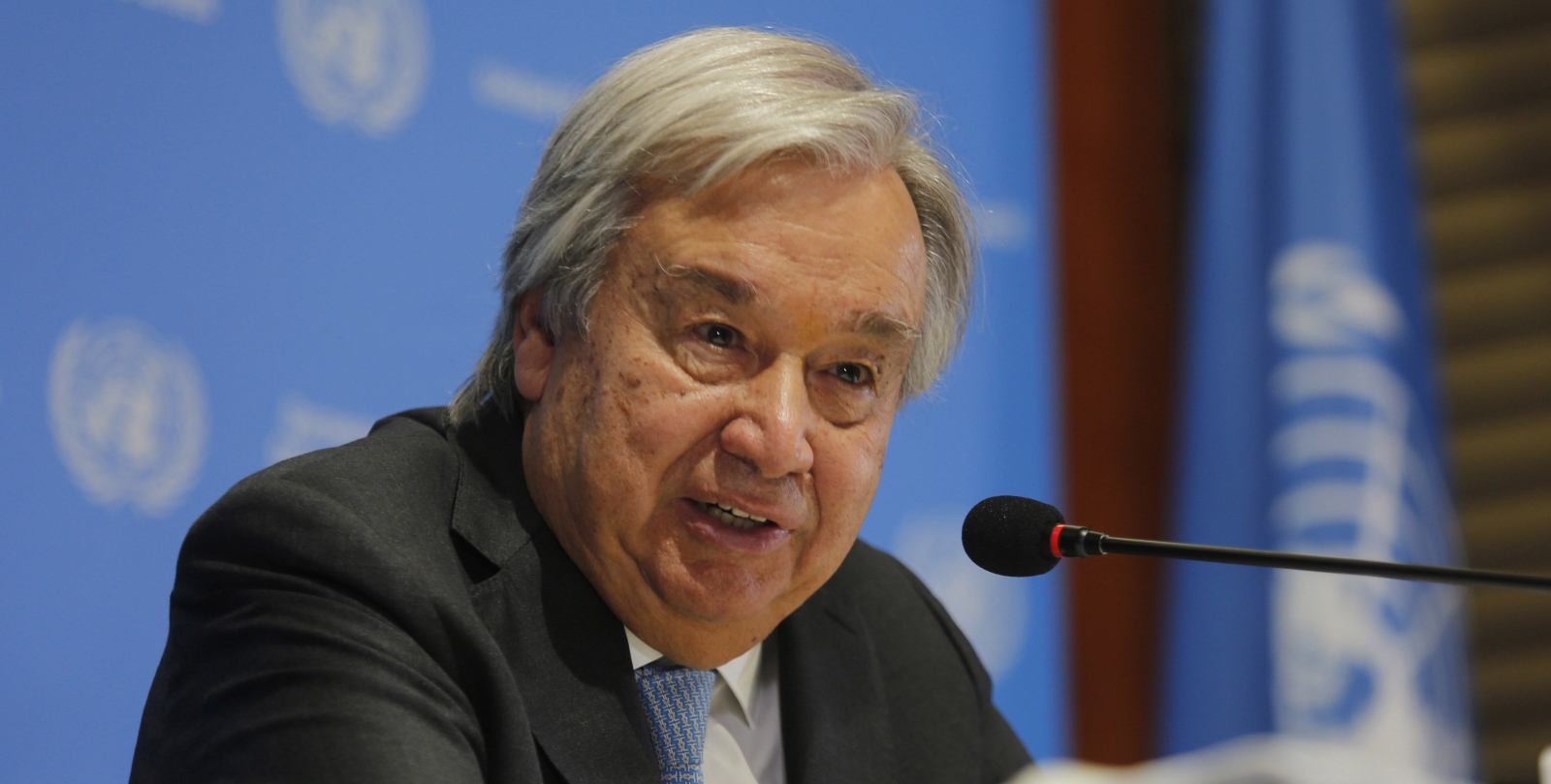
UN Secretary-General Antonio Guterres backed Indian Prime Minister Narendra Modi's call for reforming the United Nations Security Council (UNSC) at the BRICS Summit in New Delhi. Guterres stated that today's economic, demographic and geopolitical realities are different from those in 1945 and that "the institutional structures must reflect this".
Modi had previously advocated for greater roles for developing countries in global decision-making, emphasizing that the Global South should transition from being "rule-takers" to "rule-shapers". Guterres echoed these sentiments, noting that major emerging nations have been urging an expansion of the UNSC, with India leading the demand.
He also addressed the shift towards multipolarity, highlighting how it promotes balance and equity in global systems and institutions. However, he stressed that this requires reforming global multilateral institutions, including the UNSC and the Bretton Woods system, to accurately represent the modern world. The New Delhi declaration by BRICS countries, including China and Russia, reiterated their support for India and Brazil to play a larger role in the UN, particularly the UNSC.
The UNSC currently comprises five permanent members – China, France, Russia, the UK, and the US, each holding veto power over resolutions. Guterres outlined an agenda for addressing the challenges of the present geopolitical flux, proposing that Multilateral Development Banks should become larger, better, and more ambitious, utilizing innovative business models to stimulate private investment and expand concessional funding to developing nations.
He also cautioned about the growing divide in artificial intelligence, warning that the concentration of power among a few companies and countries could exacerbate existing divides in income, opportunities, security, and sovereignty. Regarding climate justice, Guterres called on developed countries to honor their commitments of providing $300 billion annually.
He also emphasized the responsible management of critical minerals to generate value and employment in producing countries and communities. Guterres further discussed the need for peace, pointing to ongoing conflicts in Gaza, the Middle East, Ukraine, Sudan, and beyond, and urging all states to comply with their obligations under the UN Charter and international law.
He reiterated the importance of respecting sovereign equality, territorial integrity, political independence, international navigational rights, peaceful dispute resolution, humanitarian law, and human rights law. Guterres concluded by emphasizing that as the world moves towards a multipolar era, all nations must collaborate to strengthen and safeguard a multilateral system that benefits everyone, with the United Nations at its core.
Written by urgent.news from The Indian Express's reporting — not their text. Machine-written — may contain errors; check the original before relying on it.