Parlamentswahl: Schweden vor der Wahl: Machtwechsel oder neuer Tabubruch?
Bandenkrieg, Migration, harte Strafen: Vor der Parlamentswahl in Schweden sorgt der Umgang mit der Gang-Kriminalität wieder für Diskussionsstoff. Regierungschef Kristersson kämpft um den Machterhalt.
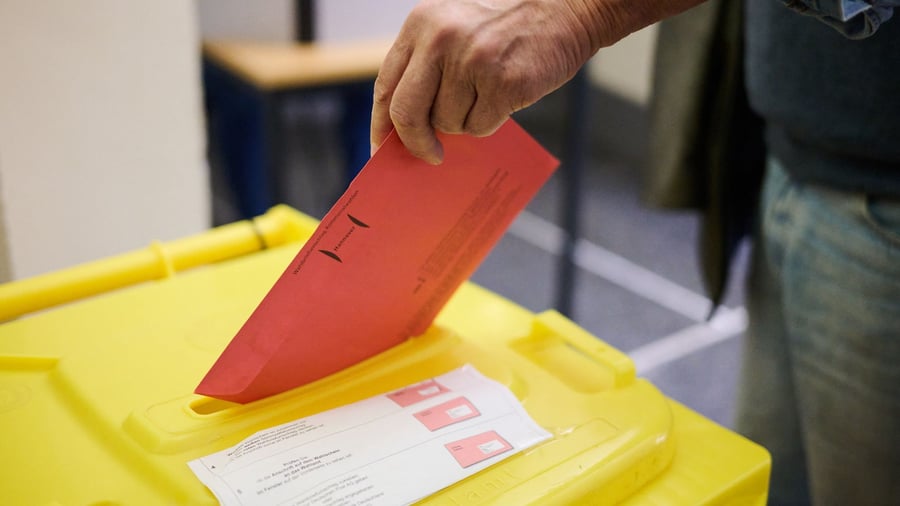
Swedish citizens are set to choose a new parliament on Sunday, with eight million people expected to cast their votes. Until now, the opposition had been leading in the polls, but the race for power appears tighter than anticipated. During the campaign, issues ranging from migration challenges and gang-related crime to stricter sentencing and the potential rise of right-wing populists in government were discussed.
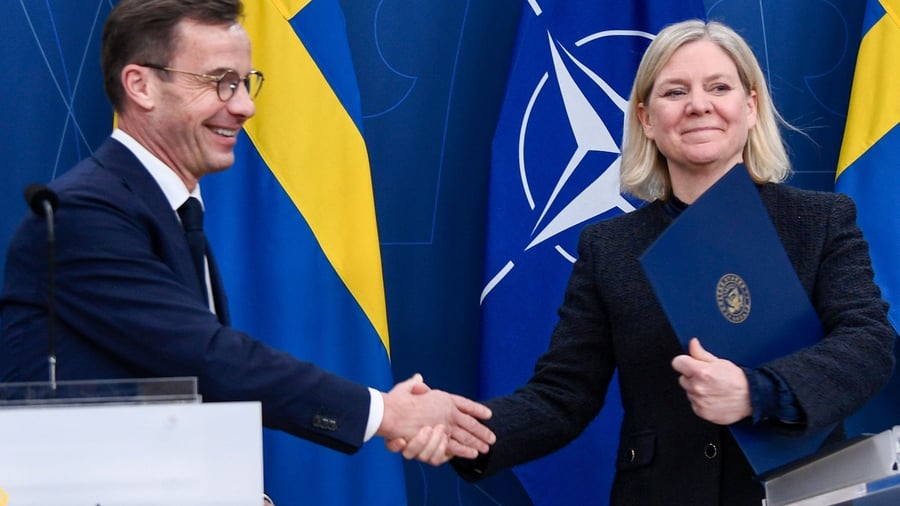
Kristersson and his coalition of conservatives, Christian Democrats, and liberals previously governed with the support of the right-wing populist Sweden Democrats. The government had previously pledged to curb gang violence and now calls for further tightening of laws and harsher sentences, while the left-leaning Social Democrats promise to tackle gang crime but face resistance from the left and Greens regarding the harshest measures.
The conservative and left blocs disagree on the energy supply, with Andersson advocating for wind power expansion while Kristersson believes nuclear power is the solution. In terms of unemployment, healthcare, and living costs, these topics played a more significant role in the election campaign. Over two million Swedish women and men have already cast their ballots.
Traditionally, the Social Democrats are the strongest force in Sweden, but the outcome of the election remains uncertain. The parties face a complex task in forming a government, as internal disputes within the blocs have been ongoing. Kristersson had even hinted that the Sweden Democrats could join his future government. Following the 2022 election, right-wing populists overtook the Sweden Democrats in popularity, and now a possible participation of the Sweden Democrats in the government would be unprecedented.
However, a major upheaval is not expected, according to political scientist and North Europe expert Tobias Etzold: "The real break came four years ago when conservative parties said they would govern in a minority government together with the Sweden Democrats."
Written by urgent.news from Handelsblatt's reporting — not their text. Machine-written — may contain errors; check the original before relying on it.
This story
This is one outlet's version. Read the fullest account.