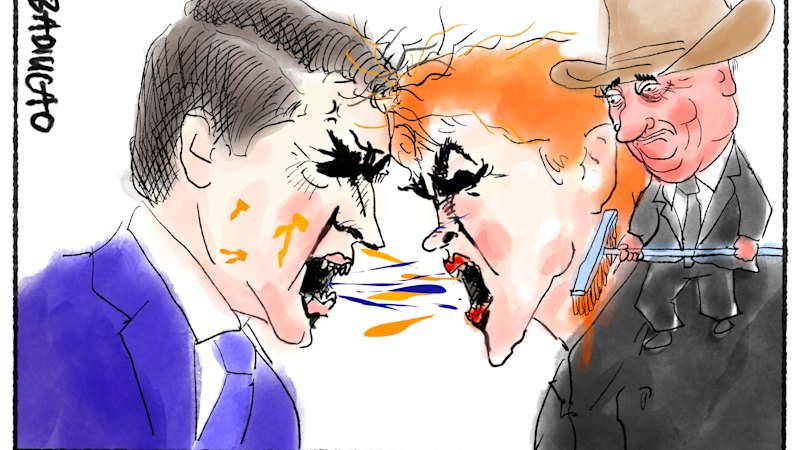
Mild-mannered Canada shows the world how to take the fight to Trump
For anyone who has spent time living in Canada, the country’s default posture towards its southern neighbour has long felt almost hard-coded: polite, deferential, almost allergic to confrontation. I saw this first-hand as a visiting scholar in the country in the early 1980s, when I met locals who embodied the national stereotype of moderation in all things. Canadians preferred compromise even…
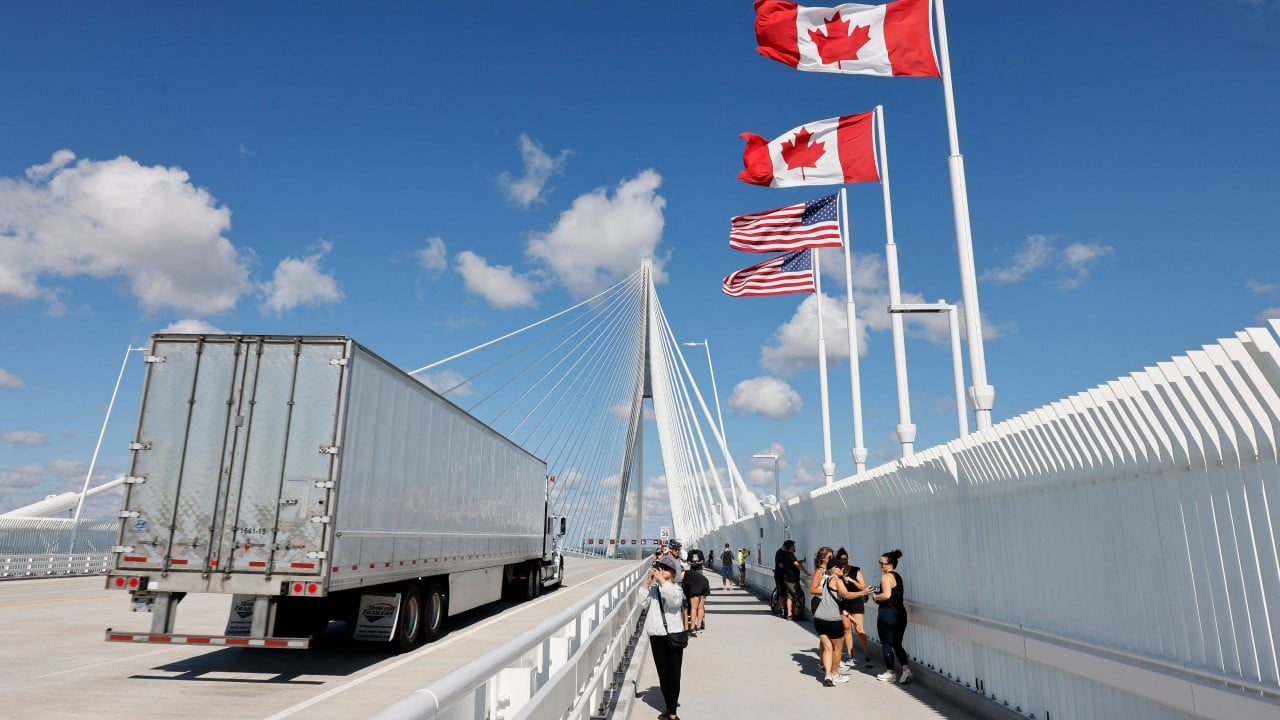
The story of Canada's bold move against the United States serves as a powerful lesson for the world. Canada, known for its diplomatic and mild manner, has demonstrated that even the most moderate nations can take a stand against overwhelming power. In August 2021, Canada imposed counter-tariffs on American goods in response to the US applying 50% tariffs on $20 billion worth of Canadian exports. Prime Minister Mark Carney announced this move, stating that Canada would match the US tariffs dollar for dollar.
This decision by Canada to stand up to the US is more than just a news story; it marks a turning point in the global order. Firstly, it shatters any remaining illusions among US allies that their friendships are valued above all. The Trump administration's actions, including suggesting Canada could become the 51st state and demanding cultural protections, reveal a nationalist worldview that sees no loyalty beyond self-interest. As allies witness Canada's defiance, they question whether the US remains a reliable partner.
Secondly, Canada's retaliatory tariffs prove that middle powers have options to defend themselves against larger economic powers. Historically, smaller countries dependent on larger nations for trade and security were expected to capitulate. However, Canada's swift response with equal-sized tariffs demonstrates that smaller nations have alternative strategies.
By losing a significant portion of its export revenue to the US market, Canada has shown that interdependence is not a one-way street. The economic nationalism that leads to punitive tariffs can backfire when faced with strong counteraction.
Lastly, Canada's resistance is a harbinger of a broader geopolitical realignment. For years, countries have generally gone along with American demands. Canada's decision to impose full, equal retaliation against Trump's unfair trade policies sets a new precedent. It is the first major US ally to take such a stance. While Canada's economic costs will be significant, the political cost of submission – in terms of sovereignty, self-respect, and the precedent set by Washington's threats – would be far greater.
Canada's actions should be seen as a message to nations hesitating over how to respond to US coercion. The EU and Japan, in particular, should take note. Ottawa's message is clear: one does not have to surrender sovereignty to maintain peace. When Washington demands the surrender of interests, nations can choose to fight back instead of complying.
This shift in global dynamics could reshape international relations, making it clear that one need not surrender sovereignty to keep peace.
Written by urgent.news from South China Morning Post's reporting — not their text. Machine-written — may contain errors; check the original before relying on it.