Art heists are a form of cultural destruction, so why do we romanticise them?
Why does cultural destruction cause outrage while cultural theft sometimes stirs a strange form of admiration for thieves? The destruction of the ancient and monumental Buddhas of Bamiyan by the Taliban 25 years ago was described in contemporary reporting as an act of “cultural genocide”. When ISIS extremists rampaged through the antiquities museum in Mosul more than a decade ago, destroying many…
Cultural destruction elicits outrage, whereas theft of cultural artifacts often garners admiration for the criminals involved. The destruction of the ancient Buddhas of Bamiyan by the Taliban was termed "cultural genocide." The ISIS militants' destruction of artifacts in Mosul and Palmyra were also viewed with horror and as attempts to destroy the country's identity.
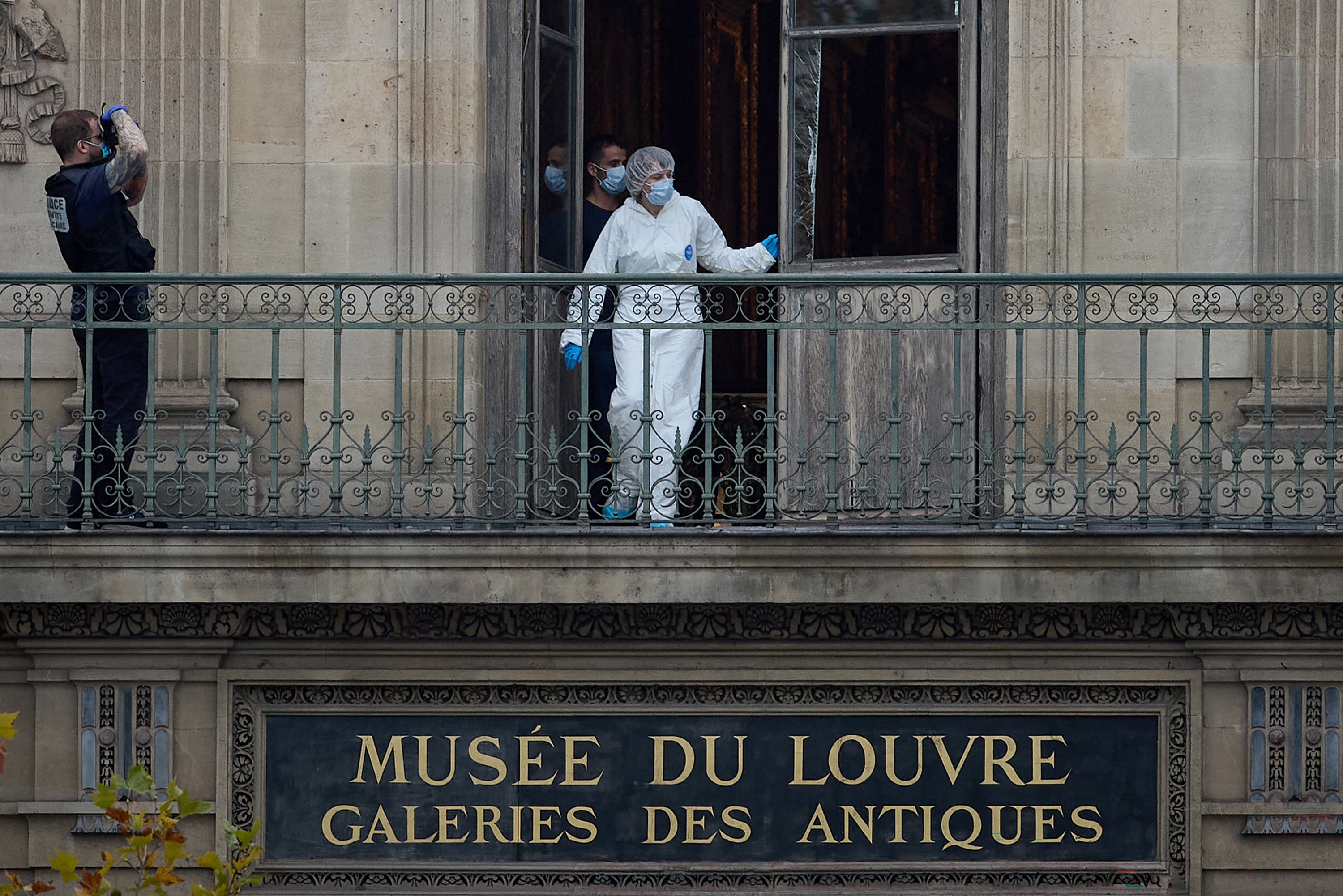
The sadness and devastation caused by these acts of vandalism persist. Recovery from such destruction is challenging, evident in the UAE-led restoration efforts in Mosul. In contrast, recent acts of theft, such as the break-in at the Renoir Museum in southern France, are reported with a focus on the value of the stolen works and the ease of recovery.
The tone differs significantly from that of cultural destruction, with the thefts often being described as daring and audacious heists or Hollywood-style robberies. The speculation about the thieves' next steps and their actions are met with admiration for their supposed daring deeds. The stolen items, if recovered, may be lost forever, and the recovery process for damaged pieces, like one at the museum, is ongoing.
The admiration for the criminals' skills often overshadows the loss and the violent nature of the acts, leading to a different perception of these incidents.
Written by urgent.news from The National UAE's reporting — not their text. Machine-written — may contain errors; check the original before relying on it.
This story
This is one outlet's version. Read the fullest account.
- Art heists are a form of cultural destruction, so why do we romanticise them? thenationalnews.com