Thai JIC urges probe into alleged military use of Preah Vihear
BANGKOK — 12 September 2026, Thailand has called for an independent examination of evidence it says shows Cambodian troops using the area around the Preah Vihear temple as a military position, stressing that World Heritage status should not be used as a shield for military operations. Air Chief Marshal Praphas Sonchaidee, assistant commander-in-chief of the […] The post Thai JIC urges probe into…
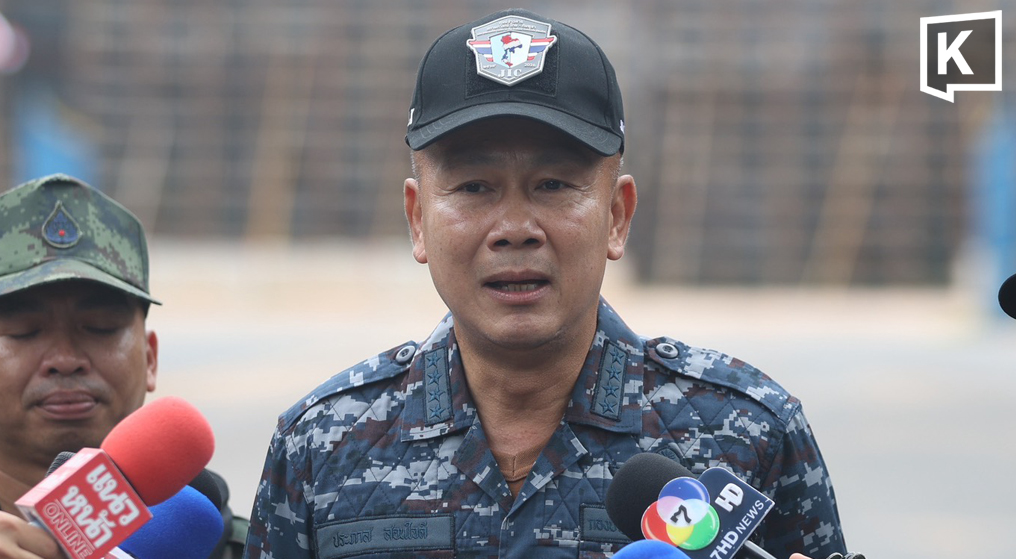
Bangkok, September 12, 2026 - Thailand has requested an independent investigation into reports that Cambodian troops have utilized the vicinity of the Preah Vihear temple as a military base. According to Air Chief Marshal Praphas Sonchaidee, the assistant commander-in-chief of the Royal Thai Air Force and director of the Joint Information Center (JIC) on the Thailand-Cambodia situation, Thailand possesses evidence indicating that Cambodian forces have employed the temple area as a military stronghold.
The evidence provided by Thailand encompasses aerial imagery, coordinates, and photographs depicting weapons allegedly situated in the region, such as RPG anti-tank weapons, small arms, and anti-aircraft weapon placements. Thailand seeks for the evidence to be independently validated, rather than having either side's allegations accepted without scrutiny.
The JIC director stated that Thailand possesses information suggesting the area had been utilized for military activities, along with allegations that weapons were discharged from the area at Thai forces. While Thailand is prepared to furnish coordinates, timestamps, photographs, and other supporting information to enable the claims to be appraised against the facts, the director clarified that the use of Preah Vihear as a military base would not necessarily invalidate the temple's status as a cultural heritage site.
Thailand maintains that international law, particularly the 1954 Hague Convention, mandates the protection of cultural property and its immediate surroundings from uses that could expose them to destruction or damage during armed conflict. The director emphasized that merely the presence of troops or weapons at a protected site would not justify an attack, as any response would need to be evaluated based on the facts and pertinent law at the time.
Responsibility for any damage to the temple would require a thorough timeline, encompassing the deployment of troops and weapons, the use of weapons, the positions from which they were launched, and the objectives of any responding force. Only after examining these facts could responsibility be fairly ascertained, according to Praphas.
Thailand's message to the international community is that World Heritage sites should serve as havens of peace, not instruments of war. He called on all parties not to utilize cultural heritage for military purposes and not to target cultural heritage except under conditions permitted by international law. Thailand seeks universal adherence to this standard: verify the facts, protect lives, and safeguard humanity's heritage.
Written by urgent.news from Khaosod English's reporting — not their text. Machine-written — may contain errors; check the original before relying on it.