Pentagon wants AI to spot missile threats in 2 seconds before response window closes
The Pentagon is on the hunt for an advanced artificial intelligence system designed for swift threat detection. This innovative engine will integrate various sensor data to create a unified intelligence overview. It aims to process and deliver alerts in mere seconds, enabling rapid response to threats. Crucially, human oversight will play a vital role in monitoring progress and making informed…
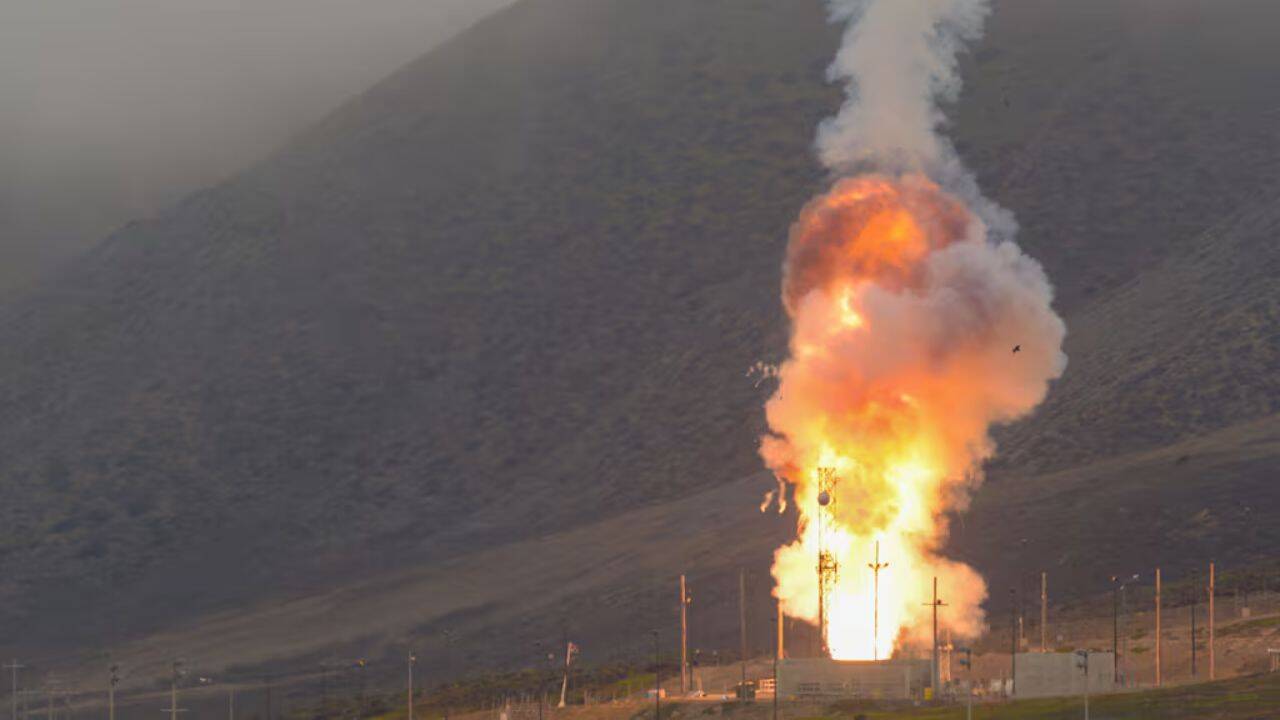
The Pentagon is searching for an artificial intelligence system that can swiftly identify and evaluate space and missile threats, aiming to turn scattered sensor data into immediate military intelligence before crucial response windows expire. The US Defense Innovation Unit (DIU) has issued a call for proposals to develop a "Space Threat Intelligence Synthesis Engine" capable of merging live video, satellite imagery, radar signals, radar feeds, geospatial data, and classified intelligence reports into a constantly refreshed threat landscape.
This system is expected to interpret incoming information and generate "actionable, confidence-scored alerts" to assist human analysts, human-guided operations, or autonomous procedures. The Pentagon's solicitation notes that present systems struggle to differentiate closely positioned objects, monitor developing threats, and maintain up-to-date threat models.
Therefore, the AI software is sought to resolve these issues and deliver a "continuously updated perception of space and missile threats in speed to back operational choices."
The DIU wants the system to process data and present outcomes within a five-second latency, with two seconds being the ideal goal. It must manage regular data streams ranging from 20 to 30 megabytes per minute and surges of up to 5 gigabytes per minute.
Every second counts in missile defense, which consists of several stages: detection, identification, tracking, threat assessment, decision-making, and interceptor launch. To assess an incoming threat and set off a response, information from multiple sensors must be processed and correlated. The Pentagon's pursuit of swifter AI processing mirrors the escalating quantity and intricacy of data produced by missile and drone attacks.
Human operators can encounter substantial obstacles when they must rapidly dissect information from radar, satellites, video, and other intelligence sources. AI could expedite this decision-making cycle by simultaneously handling multiple feeds, connecting information, and updating threat assessments in real-time. Instead of awaiting analysts to manually stitch together a threat picture, the system could produce confidence-scored alerts and spotlight emerging threats within seconds.
The Pentagon's preferred two-second processing goal could potentially grant commanders and defensive systems additional time to analyze an incoming threat and react. Human oversight stays essential, as the proposed system is not intended to eradicate human participation. DIU states that the technology should facilitate "analyst-in-the-loop, human-on-the-loop, or automated workflows," enabling the degree of human involvement to vary based on operational necessities.
The system would furnish operators with human-readable threat visualisations and confidence-scored alerts, whilst AI would take care of the rapid processing and integration of vast data volumes. The ultimate aim is to lessen the time analysts invest in assembling and deciphering disjointed information while preserving human oversight over monitoring and decision-making in crucial military operations.
Written by urgent.news from Times of India's reporting — not their text. Machine-written — may contain errors; check the original before relying on it.