Nvidia's Groq acquihire is on the DOJ's radar, but it's already too late
Even if regulators did somehow unwind the $20B deal, there's a growing list of alternatives ready to take Groq's place, no merger required
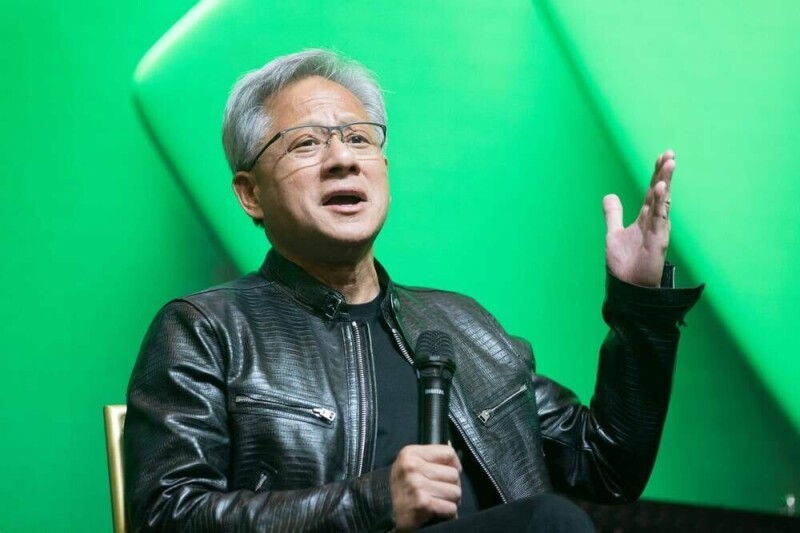
Nvidia's acquisition of artificial intelligence startup Groq for $20 billion late last year has caught the attention of the U.S. Department of Justice, which has launched an antitrust investigation. The DOJ believes that Nvidia may have unfairly acquired Groq's key engineering talent and mature silicon technology to bolster its own AI accelerator capabilities.
While the acquisition technically left Groq's core inference-as-a-service business intact, it clearly benefited Nvidia and left Groq reliant on Nvidia's GPUs for optimal performance. Despite the DOJ's concerns, Nvidia claims the deal is a testament to the American innovation system and its benefits to consumers. However, the real question is whether the acquisition harmed competition, a determination that may be difficult to prove given the competitive landscape.
Even if the DOJ were to intervene and force Nvidia to unwind the deal, it may be too late to prevent the damage that has already been done to the startup's competitive position.
Written by urgent.news from The Register's reporting — not their text. Machine-written — may contain errors; check the original before relying on it.