Iran’s Security Crackdown Runs Into Resistance From Within
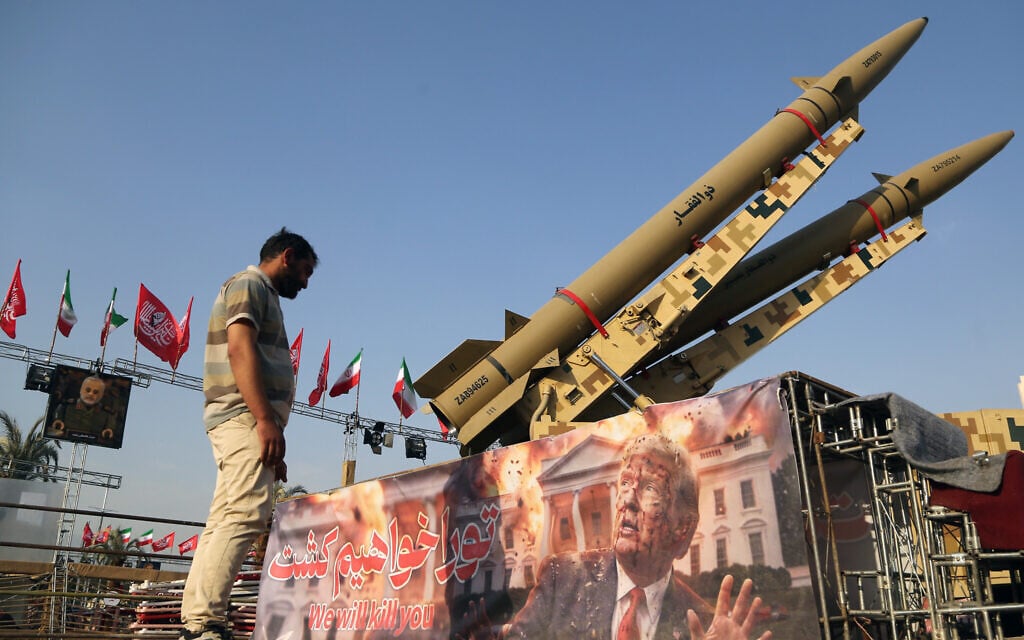
Iran's parliament is trying to turn fears of foreign infiltration into law. But as lawmakers work through the legislation, the debate is exposing an increasingly awkward question for the Islamic Republic: How far should the state go in policing Iranians' contact with the outside world? At the center of that debate is Parliament Speaker Mohammad Baqer Qalibaf, who, at least publicly, is doing a…
Iranian lawmakers are grappling with the conflict between national security and individual freedoms as they draft a controversial bill aimed at curbing foreign influence. The legislation, dubbed the "Infiltration Bill," seeks to require Iranians to obtain prior approval from the Intelligence Ministry and the Islamic Revolutionary Guards Corps before engaging in various activities, including publishing, academic cooperation, and interviews with foreign media.
The bill's proponents argue that it is a necessary response to the infiltration of Israeli intelligence in recent wars. However, critics contend that the bill would excessively restrict Iranians' rights and isolate the country from the international community. The bill has already sparked controversy within Parliament, with lawmakers expressing concerns over the bill's ambiguity and potential impact on academic and scientific communities.
Even President Masud Pezeshkian has publicly opposed the bill, warning of its negative consequences. The UN Independent International Fact-Finding Mission on Iran has also called for the bill to be withdrawn, emphasizing the risk of further restricting fundamental freedoms and international isolation for Iranians.
Written by urgent.news from OilPrice's reporting — not their text. Machine-written — may contain errors; check the original before relying on it.