From drinks to cars, Chinese brands take over Southeast Asia
BANGKOK, HANOI — Tana-wat, 34, an office worker who works in central Bangkok, starts his morning by turning on his BYD Atto 3, a Chinese electric vehicle (EV). On his way to work, he stops for a 20-baht ($0.60) lemonade at Mixue, a low-cost beverage chain from China. When he has a spare moment, he scrolls through TikTok, a Chinese short-form video platform, and clicks links at the bottom of…
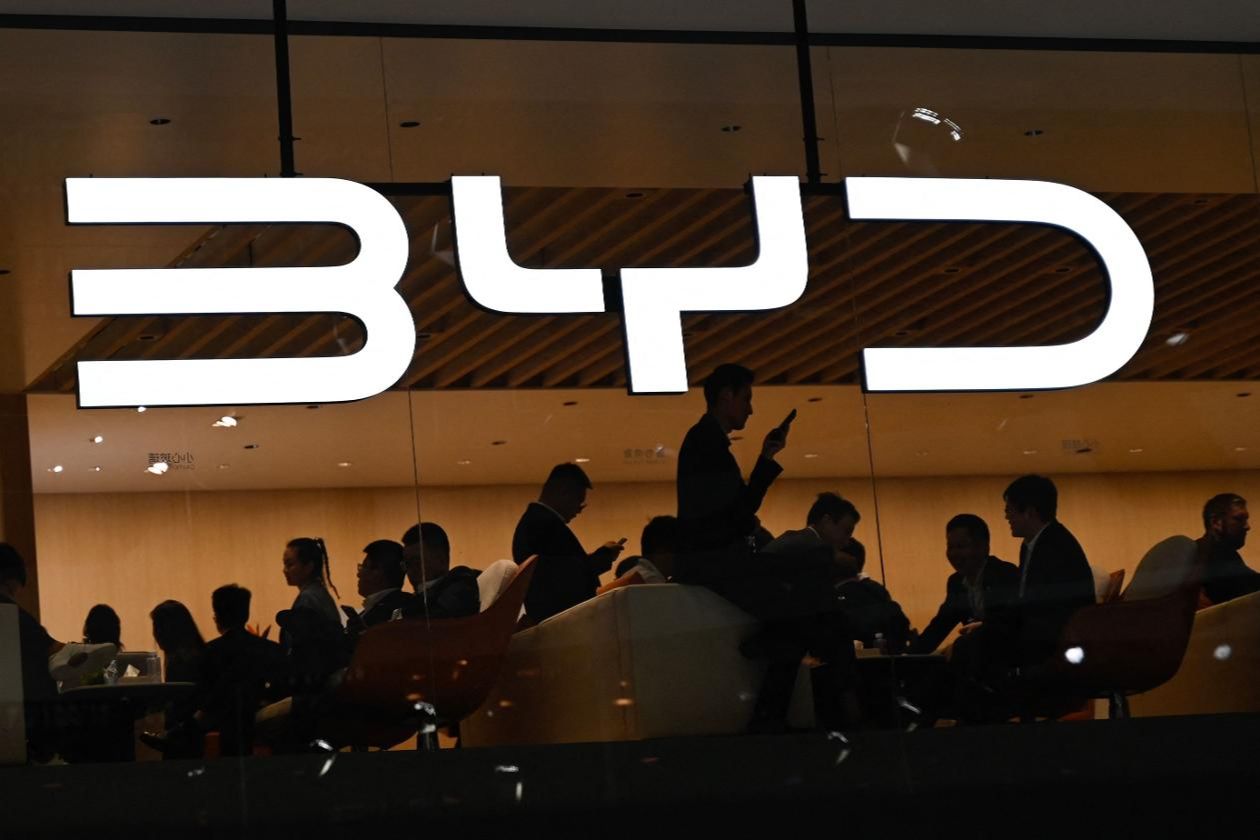
In Bangkok and Hanoi, Chinese brands are increasingly dominating everyday life for the average Southeast Asian consumer. Tana-wat, a 34-year-old office worker in central Bangkok, begins his day fueled by a Chinese-made electric vehicle, the BYD Atto 3. While commuting to work, he pauses for a modest lemonade purchased from Mixue, a budget-friendly beverage chain from China.
During his downtime, he indulges in online shopping via TikTok Shop, another Chinese digital platform. These C-brands, colloquially known in Thailand, have evolved from being seen as inexpensive necessities to becoming synonymous with luxury and innovation. Their expansion is no longer limited to budget-friendly food and drinks or large-scale infrastructure projects.
Instead, they are now infiltrating high-end fashion, cutting-edge technology, and even the most exclusive shopping malls. At Iconsiam, one of Bangkok's most upscale shopping malls, C-brands are nestled on every floor alongside renowned international brands. Urban Revivo, a fashion label, and Pop, a retail chain, are just a few examples of Chinese brands coexisting with Western luxury names.
This transformation of Chinese brands from "cheap" alternatives to indispensable components of modern Southeast Asian life is reshaping consumer habits and market landscapes across the region.
Written by urgent.news from The Korea Times's reporting — not their text. Machine-written — may contain errors; check the original before relying on it.
This story
This is one outlet's version. Read the fullest account.