From drinks to cars, Chinese brands take over Southeast Asia
BANGKOK, HANOI — Tana-wat, 34, an office worker who works in central Bangkok, starts his morning by turning on his BYD Atto 3, a Chinese electric vehicle (EV). On his way to work, he stops for a 20-baht ($0.60) lemonade at Mixue, a low-cost beverage chain from China. When he has a spare moment, he scrolls through TikTok, a Chinese short-form video platform, and clicks links at the bottom of…
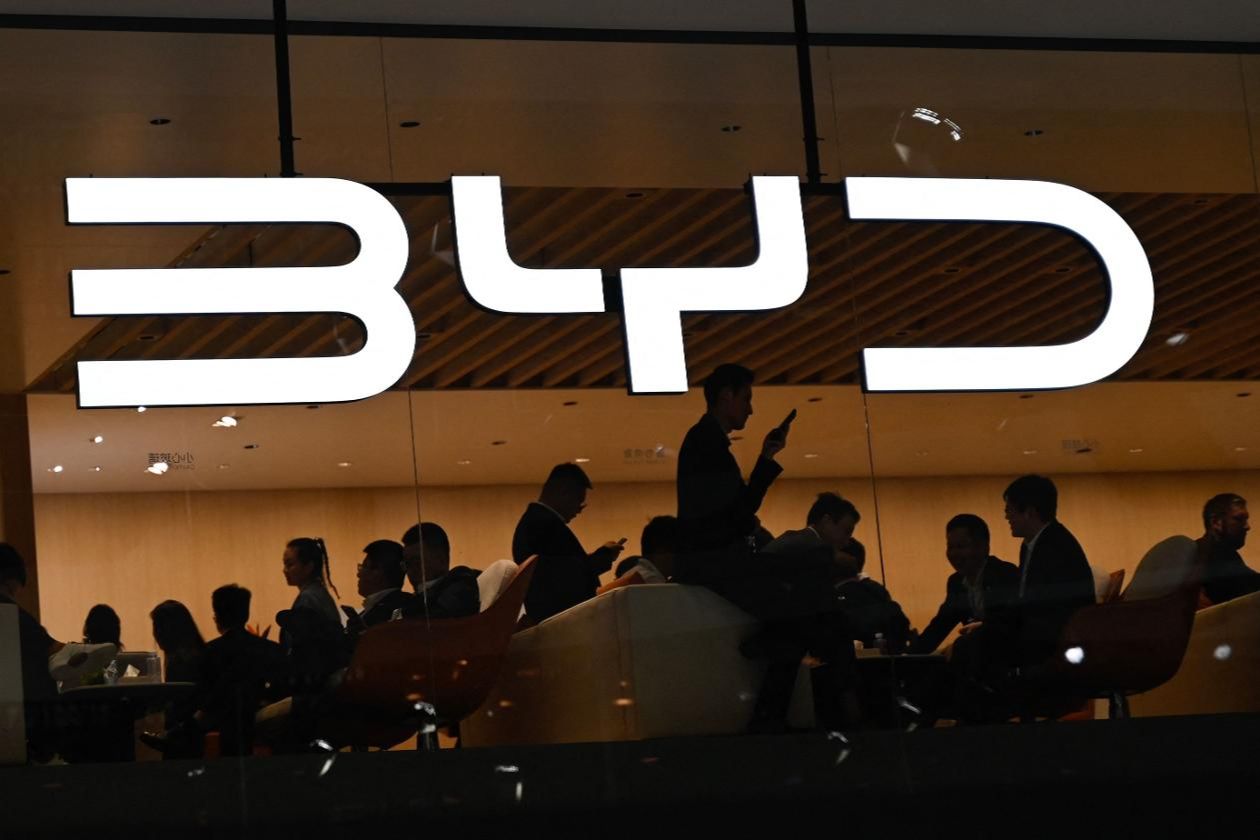
Tana-wat, a 34-year-old office worker in central Bangkok, commences his day by driving his BYD Atto 3, an electric vehicle manufactured by a Chinese company. Midway through his journey, he grabs a 20-baht lemonade from Mixue, a low-cost beverage chain owned by Chinese entities. After completing his daily tasks, Tana-wat indulges in social media, perusing the videos on TikTok, another Chinese platform.
He often engages in the shopping links presented at the end of the videos through TikTok Shop. This everyday scenario is emblematic of the shift in perception towards Chinese brands, or C-brands, in Thailand. A few years ago, C-brands were often associated with affordability; however, their allure has broadened significantly. They are no longer confined to budget-friendly food and beverages.
Instead, they have expanded their reach, infiltrating realms of high-end fashion and state-of-the-art electric vehicles. The expansion of Chinese companies in Southeast Asia transcends the realm of large-scale infrastructure investments and manufacturing. They have infiltrated the daily lives of consumers as well. The influence of C-brands is pervasive, evident even in luxury malls like Iconsiam, where these brands are present on virtually every floor.
Urban Revivo, a fashion brand, and Pop, just two examples, are among the C-brands that grace the mall's various levels. The dominance of Chinese brands in Southeast Asia is a testament to their growing significance in the region's consumer market.
Written by urgent.news from The Korea Times's reporting — not their text. Machine-written — may contain errors; check the original before relying on it.