BRICS 2026: Global attendees, key agendas, and geopolitical stakes.
India is hosting the 18th BRICS Summit in New Delhi on 12–13 September 2026, with leaders discussing trade, global governance, local-currency settlements and geopolitical conflicts. The expanded 11-member bloc is also testing whether it can maintain consensus despite competing national interests.
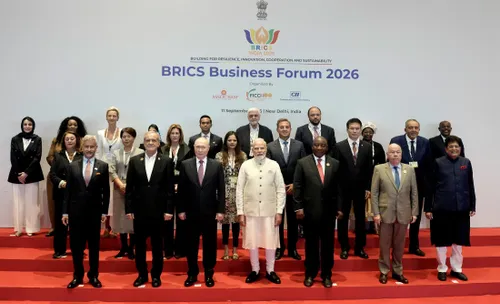
The 18th BRICS Summit commenced in New Delhi, India, on February 22, 2026, uniting leaders from Asia, Africa, the Middle East, and Latin America. Hosted by Prime Minister Narendra Modi, the two-day event marked the bloc's expansion, representing nearly half of the global population and a significant share of international commerce.
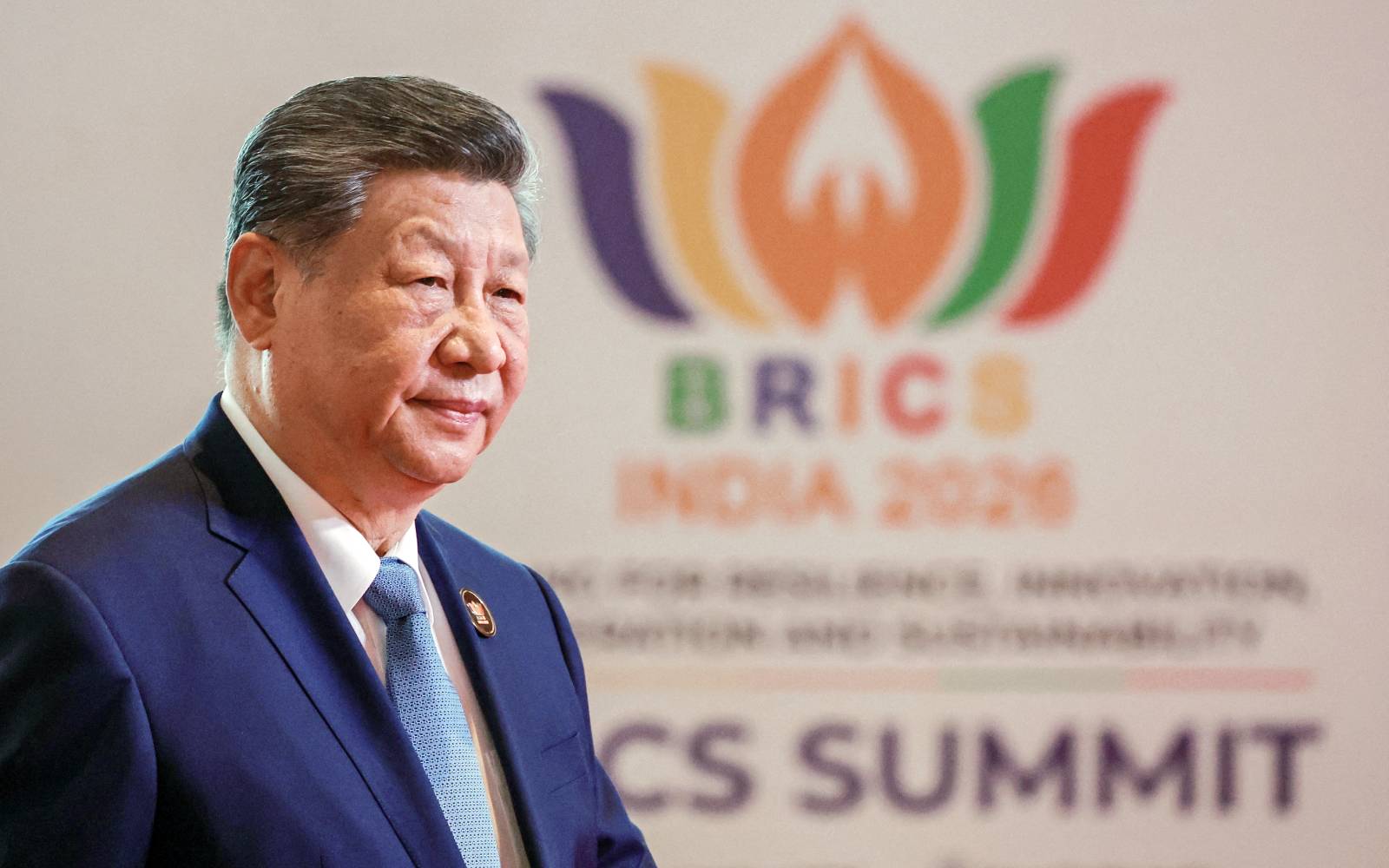
Notable attendees include Russian President Vladimir Putin, Iranian President Masoud Pezeshkian, South African President Cyril Ramaphosa, Egyptian President Abdel Fattah el-Sisi, Indonesian President Prabowo Subianto, Chinese President Xi Jinping (making his first visit to India since 2019), Ethiopian Prime Minister Abiy Ahmed, Malaysian Prime Minister Anwar Ibrahim, Thai Prime Minister Anutin Charnvirakul, Cuban President Miguel Díaz-Canel, Nigerian President Bola Tinubu, Uzbekistan's President Shavkat Mirziyoyev, Brazilian Foreign Minister Mauro Vieira, and Abu Dhabi Crown Prince Sheikh Khaled bin Mohamed bin Zayed Al Nahyan.
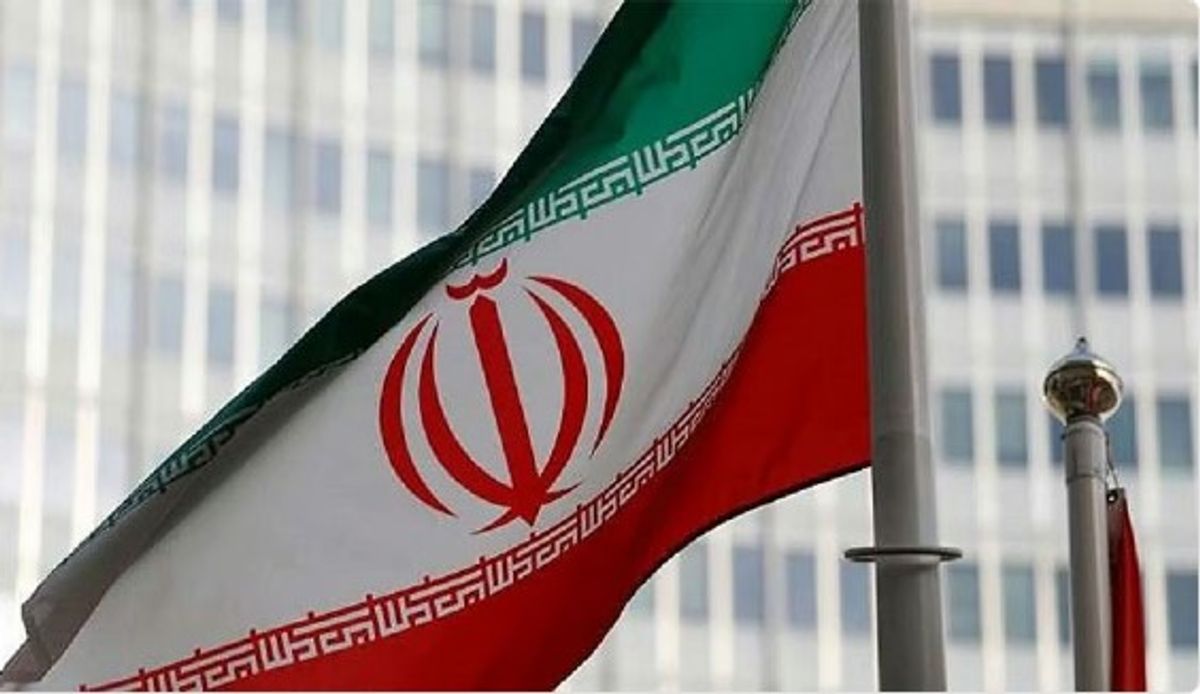
The summit took place amidst international tensions, particularly the conflict involving the United States, Israel, and Iran, along with energy market volatility across Asia. With a consensus-building model requiring approval from all member states, negotiators faced diplomatic challenges while crafting statements that addressed regional instability without alienating key members.
For India, the summit provided an essential diplomatic platform to handle relations with China, despite their ongoing sovereignty and border disputes along the Line of Actual Control. As China's President Xi Jinping arrived in New Delhi, both nations showcased that strategic competition does not hinder pragmatic engagement on shared global priorities.
Economic workstreams were central to the agenda, with member states pushing for new payment systems and de-dollarisation to reduce vulnerability to external financial shocks and Western sanctions. The New Development Bank (NDB) allocated substantial financing for sustainable infrastructure projects in the Global South, using currencies such as the Indian Rupee and South African rand.
Additionally, BRICS members advocated for reforming post-World War II international institutions, seeking structural overhauls, transparent governance, and equitable voting rights. As the two-day summit continued through closed plenary sessions, business forums, and outreach dialogues, the overarching goal was to test whether a diverse coalition could effectively coordinate economic policy, manage geopolitical rivalries, and shape international trade and governance.
Phapano Phasha, chairperson of The Centre for Alternative Political and Economic Thought, noted that the event served as a rigorous testing ground for a large, diverse coalition to navigate economic policy coordination and geopolitical challenges.
Written by urgent.news from IOL's reporting — not their text. Machine-written — may contain errors; check the original before relying on it.
Also reported by 1 other outlet
- 'Global South must shape, not just follow, rules': PM Modi at Brics Summit timesofindia.indiatimes.com