‘Black Sheep In Judiciary Increasing’: Justice Deepak Gupta Flags Concerns Over Courts, Dissent And Majoritarianism
Former Supreme Court judge Justice Deepak Gupta has raised concerns over the state of the judiciary, saying that courts at all levels are moving towards majoritarianism and that the number of “black sheep” in the judiciary is increasing. Writing on the occasion of India's 80th Independence Day, Gupta questioned how free citizens truly are and said that independence is not merely about freedom…
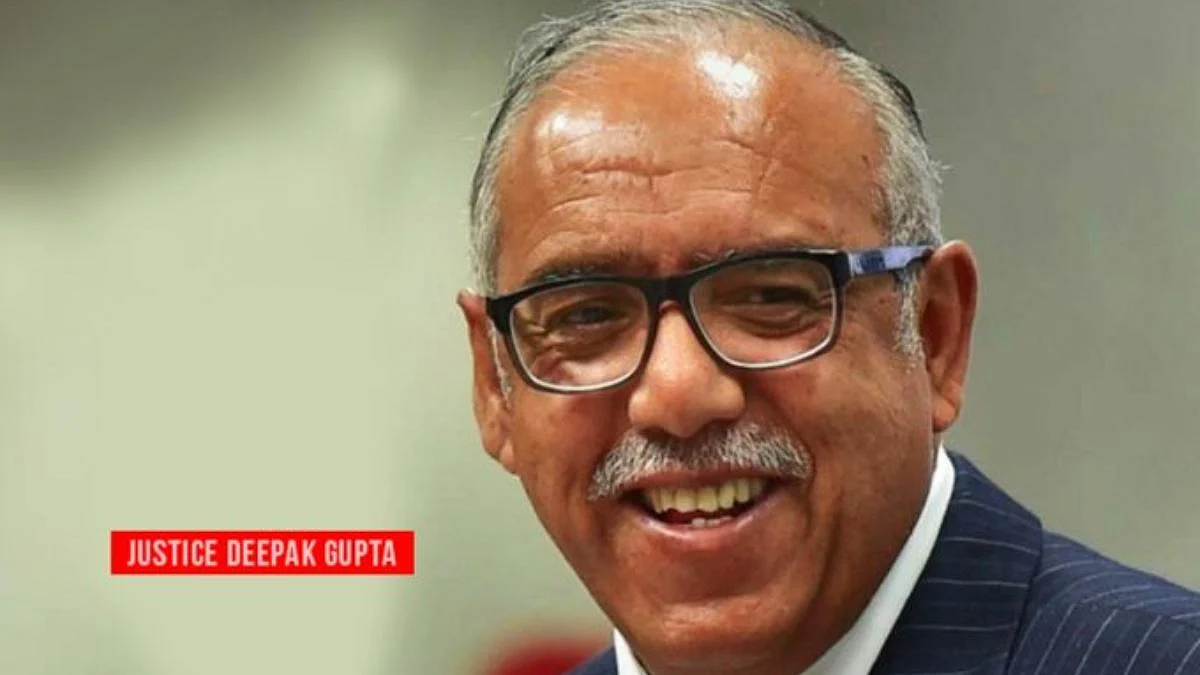
Former Supreme Court judge Justice Deepak Gupta has expressed concerns about the increasing influence of "black sheep" in the judiciary and the movement towards majoritarianism at all levels of the courts. In a piece marking India's 80th Independence Day, Gupta questioned the true meaning of freedom, emphasizing that it extends beyond physical independence from foreign rule to include freedom of thought, speech, and dissent without fear.
He argued that economic progress is meaningless without equality and justice, asserting that a nation can only claim independence when its citizens are free to express themselves, receive equal opportunities, and are not discriminated against based on caste or religion.
Gupta highlighted the nation's progress, noting improvements in citizens' living standards, life expectancy, and the economic trajectory toward a potential trillion-dollar economy. However, he cautioned that such achievements are hollow if a significant portion of the population remains impoverished. Gupta, with over five decades of legal experience, focused on the judiciary's role in safeguarding democracy, asserting that an independent judiciary is indispensable for any country to be truly free.
He emphasized the necessity of integrity, intellect, and courage in judges, urging them to stand up for justice without succumbing to fear or favor.
The judiciary, Gupta argued, must protect fundamental rights and ensure that the principle of "bail, not jail," as established in the ADM Jabalpur case, is upheld. He criticized the shift towards imprisonment as the norm, citing the excessive number of undertrials compared to convicts. Gupta pointed to the case of Umar Khalid, who has languished in jail for over six years without trial, questioning whether his right to liberty and speedy trial has been respected.
He lamented that the process of legal proceedings has become punishment in itself, with individuals being labeled as anti-national and rights being trampled upon.
Referring to recent detentions, such as that of Sonam Wangchuk, Gupta stressed the importance of expediting habeas corpus petitions and ensuring that their legality is determined. He criticized the Supreme Court for repeatedly adjourning cases while the government reconsidered detentions, and for later terming the matter as infructuous. Gupta warned that majoritarianism, where dissenting voices are silenced, undermines democracy and called for the judiciary to resist this trend.
Highlighting the lack of diversity in recent judicial appointments, Gupta expressed concern over the predominance of upper-caste, primarily Brahmin representatives in the judiciary. He questioned the decision in the Gyanvapi mosque case, which allowed an archaeological inquiry into a mosque standing on what was once a temple site, thereby potentially exacerbating communal tensions.
Gupta also cited instances of unequal treatment based on community norms, such as the detention of individuals for consuming food contrary to their dietary practices on the Ganga river. He argued that the judiciary must reflect the diversity of the nation to maintain its credibility and trust.
Gupta acknowledged the faith and trust placed in the judiciary despite the challenges faced, including lengthy legal battles and the scrutiny they endure on social media. However, he warned that this confidence is waning. He also criticized the legal profession, urging lawyers to transcend political affiliations and personal identities to serve citizens and resist power.
Gupta noted that while legal fees have risen, pro bono work has declined, and Bar Councils have failed to address issues of misconduct effectively. He called on Bar Councils to take disciplinary action against erring lawyers and to improve the quality of legal education.
Written by urgent.news from Free Press Journal's reporting — not their text. Machine-written — may contain errors; check the original before relying on it.