Stronger coordination linked to strengthen counter-terrorism efforts
KARACHI: A ‘Sindh policy dialogue’ called for stronger coordination to counter terrorism and extremism. The provincial policy dialogue was held here on Wednesday to strengthen counter-terrorism efforts in Sindh, with participants calling for stronger legislation, parliamentary oversight and coordination among government institutions, law enforcement agencies and communities. The dialogue was…
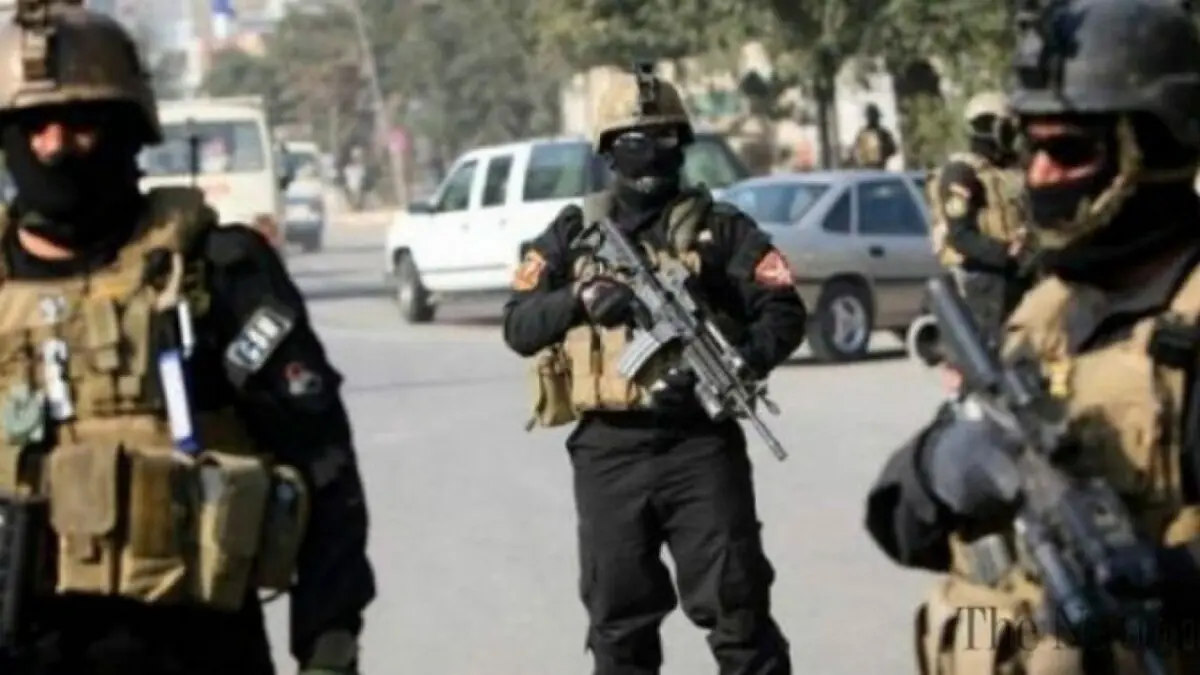
Karachi witnessed a significant gathering focused on the need for stronger coordination to combat terrorism and extremism. The Sindh Policy Dialogue took place on Wednesday, aimed at enhancing counter-terrorism efforts in the province. Organized by the Sustainable Social Development Organisation (SSDO) and supported by the British High Commission, the meeting brought together parliamentarians, Home Department officials, Counter Terrorism Department representatives, law enforcement officials, civil society members, experts, and other stakeholders.
Discussions revolved around reviewing current threats, legislative frameworks, institutional gaps, and the necessity for improved coordination among relevant institutions.
The dialogue's key takeaway was the emphasis on strengthening non-kinetic measures, which include measures beyond military action, to effectively counter terrorism and extremism. Additional Inspector General of Counter Terrorism Department (CTD) Sindh, Zulfiqar Larek, highlighted the importance of joint efforts by law enforcement agencies and other institutions.
These efforts have already contributed to a notable reduction in terrorist incidents in Sindh, with several potential threats being averted through timely intervention. However, Larek stressed that sustained progress hinges on greater societal and community involvement.
Brigadier Inam-ul-Haq (retd), briefing on the Strategy and Coordination Centre for Counter-Violent Extremism (SCECVE), emphasized the center's dual focus on preventing extremism and rehabilitating vulnerable individuals to reintegrate them into society. SCECVE is actively working on a comprehensive national communication policy, involving federal government and provincial cooperation.
Additionally, a five-year strategic plan for Sindh, tailored to address province-specific counter-extremism issues, has been developed. This plan emphasizes research, capacity building, community engagement, positive narratives, and rehabilitation efforts.
Parliamentary leaders present at the dialogue expressed concerns over the effective implementation of existing counter-terrorism laws, noting that while several laws exist, their enforcement and oversight present a significant challenge. They stressed that combating terrorism requires a multifaceted approach beyond security operations, including addressing the social and ideological roots of extremism, safeguarding young individuals from extremist ideologies, and countering misinformation and propaganda.
Participants called for the establishment of stronger district-level peace committees to facilitate the early identification and resolution of local disputes and emerging extremist tendencies. Upon concluding the dialogue, all participants agreed to bolster cooperation among parliament, government institutions, law enforcement agencies, civil society, academia, religious leaders, and local communities.
The consensus was to enhance the implementation of existing laws and parliamentary oversight, while prioritizing preventive measures, community engagement, rehabilitation, and the promotion of positive narratives to foster enduring peace and stability in Sindh.
Written by urgent.news from Business Recorder's reporting — not their text. Machine-written — may contain errors; check the original before relying on it.