'Not just business': German MPs seek deeper connection with Gulf
German politicians with close ties to the Middle East have called for a “stronger, deeper partnership” with the Gulf extending beyond economic deals and into culture, education and an appreciation of the Islamic world. Speaking to The National in the week of President Sheikh Mohamed’s state visit to Berlin , the head of the German parliament’s Arab relations group said Germany has “common…

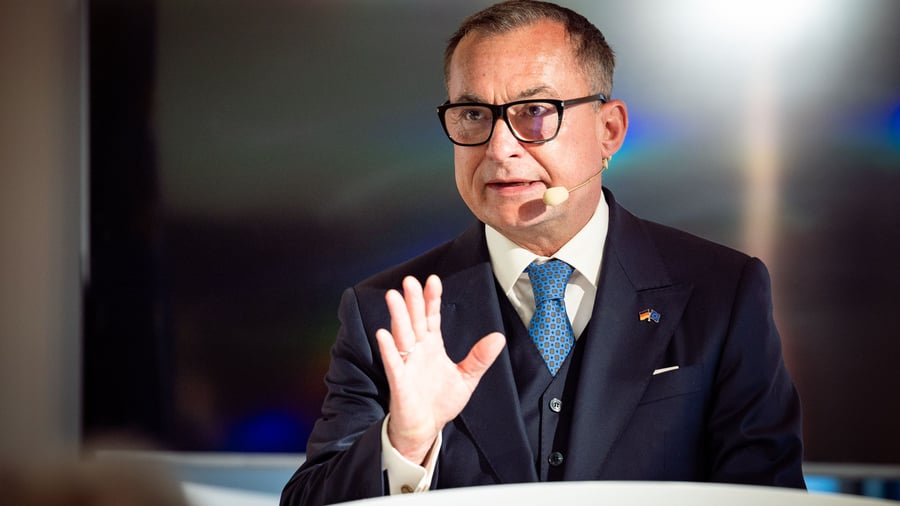
German politicians with deep ties to the Middle East have called for a more substantial partnership extending beyond economic deals into cultural and educational realms. In light of ongoing conflicts nearby, such as the wars in Ukraine and Iran, they argue that a deeper understanding is necessary. Alexander Radwan, an MP from Chancellor Friedrich Merz’s conservative bloc, stressed the need for mutual comprehension during a recent meeting with Saudi Foreign Minister Prince Faisal bin Farhan in Berlin.
This plea follows the election of a radical anti-Islam party in eastern Germany, which could mark the far-right’s first real political success since 1945.
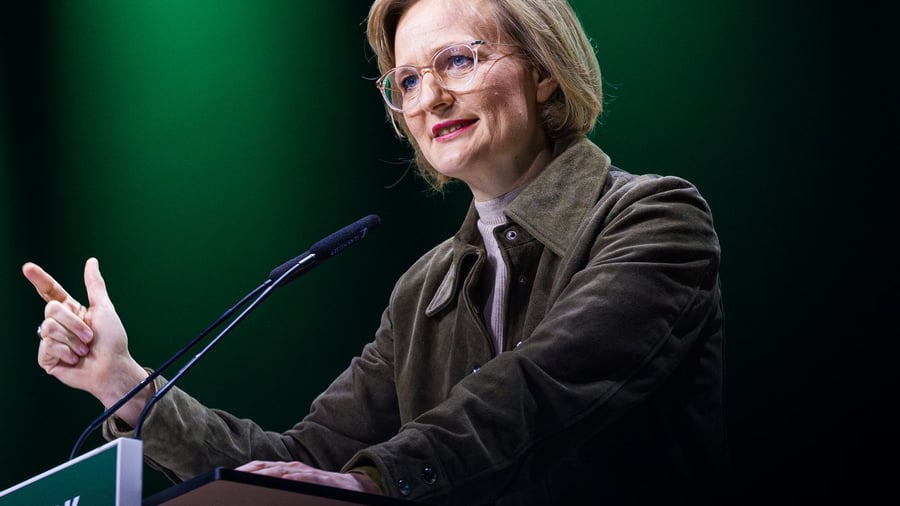
Lamya Kaddor, an opposition MP and rapporteur for the Arabian Peninsula, proposed a "long-term strategic partnership" with the region, focusing on cultural ties, startup collaborations, and research institute relationships. Germany and the UAE have already forged strong economic connections, with discussions around importing natural gas and hydrogen from the Gulf.
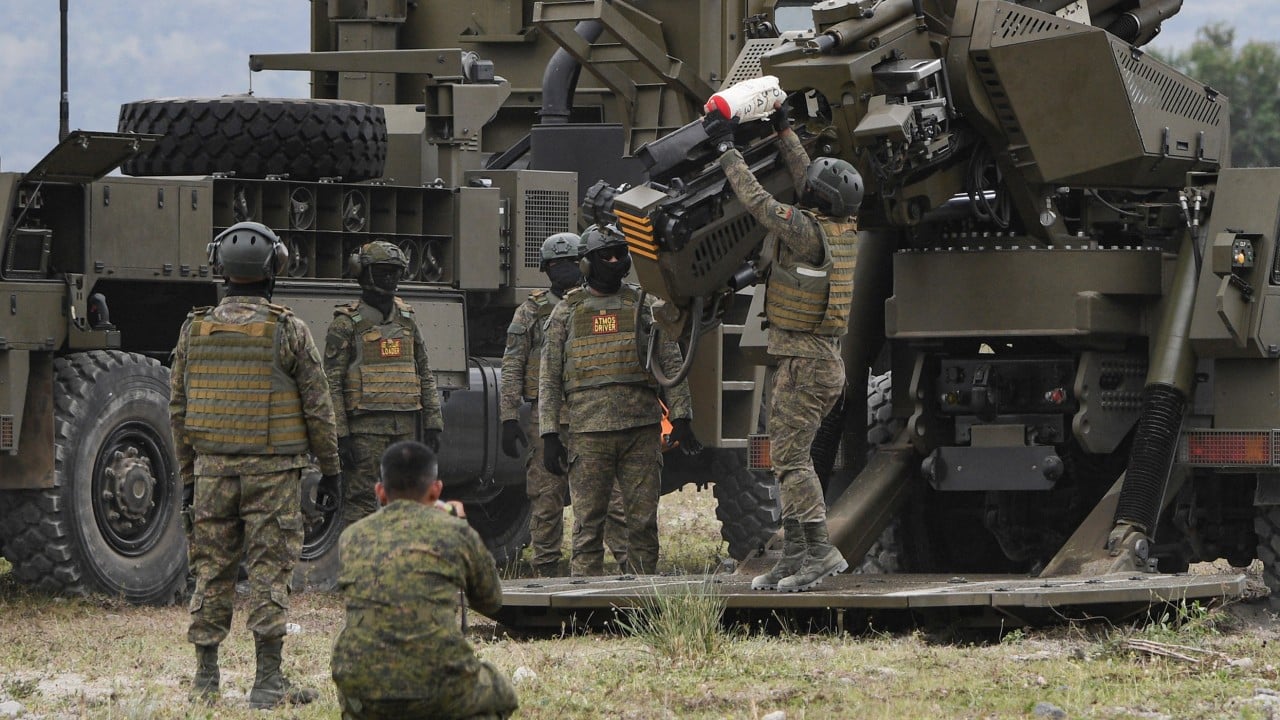
The Merz government has also relaxed its strict arms sales policies, removing the German veto on Saudi Arabia acquiring Eurofighter jets. Radwan emphasized the potential for Germany to contribute significantly in education, technology, and research to the region, lamenting the absence of German universities in the Emirates.
The urgency for a stronger relationship is highlighted by the proximity of conflicts in Ukraine and Iran to the Gulf states. Both Germany and these Gulf nations share similar security concerns, prompting a reevaluation of security policies. Radwan noted the analogy between the current situation in the Gulf and the turmoil in Ukraine, urging discussions on political ties, common security frameworks, and new energy supply security measures.
Energy security, particularly in the Strait of Hormuz and Bab Al Mandeb, is a vital economic interest for both parties, according to Kaddor.
Germany’s Middle East policy is largely shaped by its pro-Israel stance, stemming from a desire for atonement for the Holocaust. While Germany has been critical of Israel at times, its stance during the Gaza war has hindered its bid for a seat on the UN Security Council. Despite remaining well-regarded in the Middle East, politicians recognize the need to translate this trust into tangible political influence.
The German parliament is currently debating cuts to the foreign affairs budget, including a reduction in UN funding, which could impact Germany's ability to contribute to peacekeeping efforts in Lebanon and Syria. Kaddor, a Syrian German herself, emphasized the potential for a peace accord between Syria and Israel as a significant step towards regional stability, provided that both parties adhere to the agreement's terms.
Written by urgent.news from The National Business's reporting — not their text. Machine-written — may contain errors; check the original before relying on it.
This story
This is one outlet's version. Read the fullest account.
- 'Not just business': German MPs seek deeper connection with Gulf thenationalnews.com