'Not just business': German MPs seek deeper connection with Gulf
German politicians with close ties to the Middle East have called for a “stronger, deeper partnership” with the Gulf extending beyond economic deals and into culture, education and an appreciation of the Islamic world. Speaking to The National in the week of President Sheikh Mohamed’s state visit to Berlin , the head of the German parliament’s Arab relations group said Germany has “common…
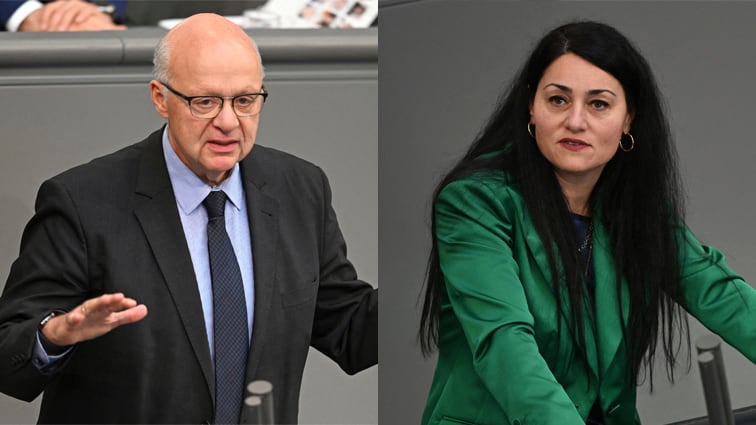
German politicians with strong connections to the Middle East are advocating for a "stronger, deeper partnership" with the Gulf, extending beyond economic transactions into cultural, educational and Islamic understanding. Head of the German parliament’s Arab relations group, Alexander Radwan, stated that Germany shares "common interests" with Gulf states amid ongoing conflicts in Ukraine and Iran.
Radwan met Saudi Foreign Minister Prince Faisal bin Farhan, emphasizing that Germany desires mutual understanding over mere business dealings.
This call for deeper ties follows the election of a far-right anti-Islam party in eastern Germany, potentially granting the far right its first significant political influence since 1945. Lamya Kaddor, an opposition MP in the Arab affairs group, suggested Germany should offer a "long-term strategic partnership" instead of simply observing major shifts in the Middle East, focusing on cultural ties and collaborations between start-ups and research institutes.
The German government, under Chancellor Friedrich Merz, is aiming for a more "strategically aligned" arms sales policy, lifting previous restrictions on arms sales to Gulf states. Germany and the UAE have strong economic ties, with discussions around importing natural gas and hydrogen from the Gulf. Merz's administration has removed a German veto on Saudi Arabia acquiring Eurofighter jets.
Radwan emphasized the importance of education in fostering a deeper relationship, regretting the lack of German universities in the Emirates. He proposed Germany should learn to appreciate and respect the Middle East and its faith. Both Radwan and Kaddor mentioned the shared challenges faced by Germany and the Gulf states due to conflicts in Ukraine and Iran, advocating for common security architectures and new ways to secure energy supplies.
Germany's Middle East policy is swayed by its pro-Israel stance resulting from Holocaust remembrance, preventing it from joining 12 countries in sanctions against West Bank settlers. While the country believes in a good standing with the region, it seeks to translate this trust into increased political influence. The German parliament is debating foreign affairs budget cuts, including a $200 million reduction for the UN, with $11.6 million allocated for the UNIFIL peacekeeping force in Lebanon and $2.2 million for peacekeepers in a UN-monitored zone between Syria and Israel.
Written by urgent.news from The National UAE's reporting — not their text. Machine-written — may contain errors; check the original before relying on it.
Also reported by 1 other outlet
- 'Not just business': German MPs seek deeper connection with Gulf thenationalnews.com