I stopped vacuuming my rugs wrong — here’s the simple overlap technique that doubled my dust pickup
Why your rugs still release dust after vacuuming — and the technique that fixes it.
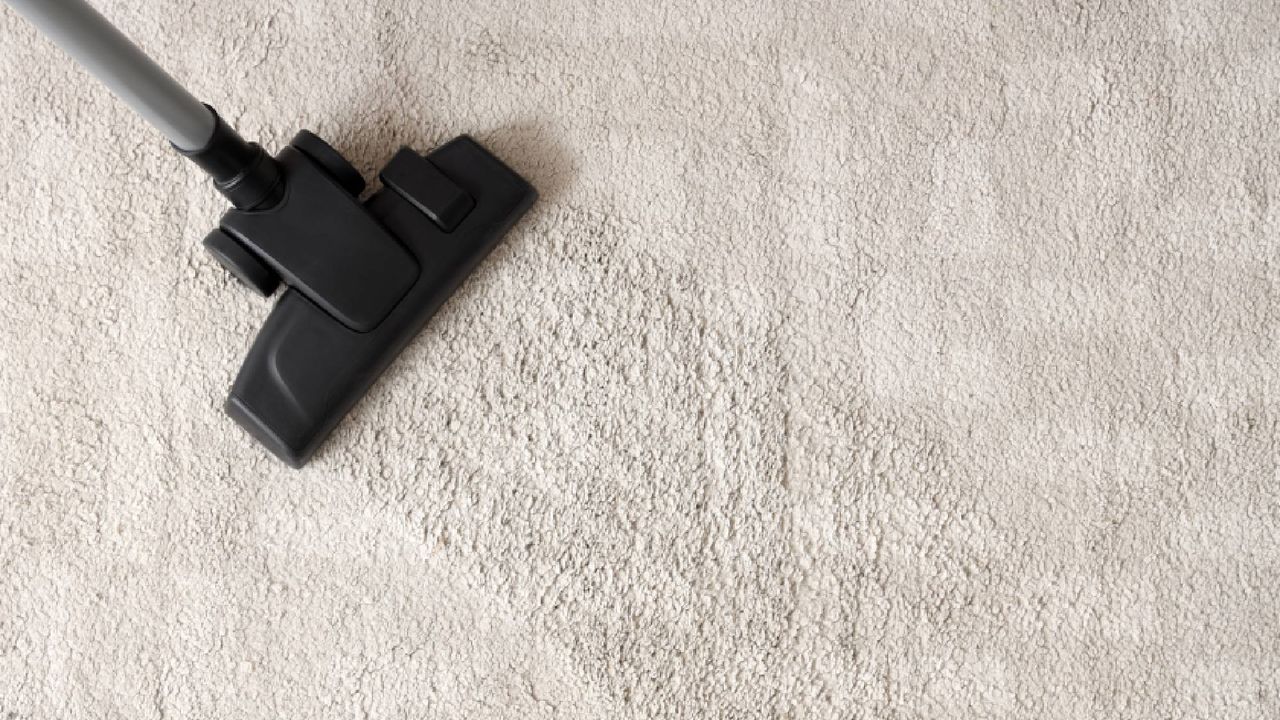
For years, I believed maintaining my area rugs was as simple as briskly vacuuming them across the room. My rugs appeared clean, yet shaking them revealed a steady stream of dust. It wasn't until a professional carpet cleaner casually mentioned a technique change that I realized my approach was fundamentally flawed. By rushing my vacuum over the rugs in random, haphazard motions, I was leaving over half of the trapped dust, pet dander, and debris hidden deep within the fibers.
After adopting a new method of cross-hatching or overlapping my vacuuming pattern, the quantity of unseen dirt being sucked into the vacuum cleaner astonished me.
The common mistake most people make is vacuuming straight back and forth, retracing their steps without any additional coverage. However, rug fibers naturally curl in one direction, so vacuuming in just one orientation actually traps the dirt within the carpet pile. Without a deliberate overlap, the vacuum head misses a 1 to 2-inch gap between each pass, creating channels where dust accumulates unseen.
To properly vacuum rugs and lift embedded dirt, adopt a slow, deliberate pattern utilizing a 50% overlap across a two-dimensional grid. Avoid the temptation to vacuum swiftly. Instead, move the vacuum forward at a pace of about one foot per second, then pull it back along the same line at the same speed. This backward motion generates the most suction power.
Rather than lining up the vacuum head edge-to-edge for your next pass, overlap your previous path by half. This ensures every square inch of the rug experiences double agitation and maximum suction. After covering the rug horizontally, rotate 90 degrees and repeat the process vertically across the entire rug. This cross-hatching motion lifts fibers in the opposite direction, releasing stubborn pet hair and trapped dirt.
Written by urgent.news from Tom's Guide's reporting — not their text. Machine-written — may contain errors; check the original before relying on it.