How much stricter will homeschool enrichment rules get in Colorado? These officials will decide.
Should private contractors be allowed to run state-funded programs for Colorado’s homeschoolers? If so, what guardrails should exist and how much public money should the contractors get? These are some of the questions Colorado’s…

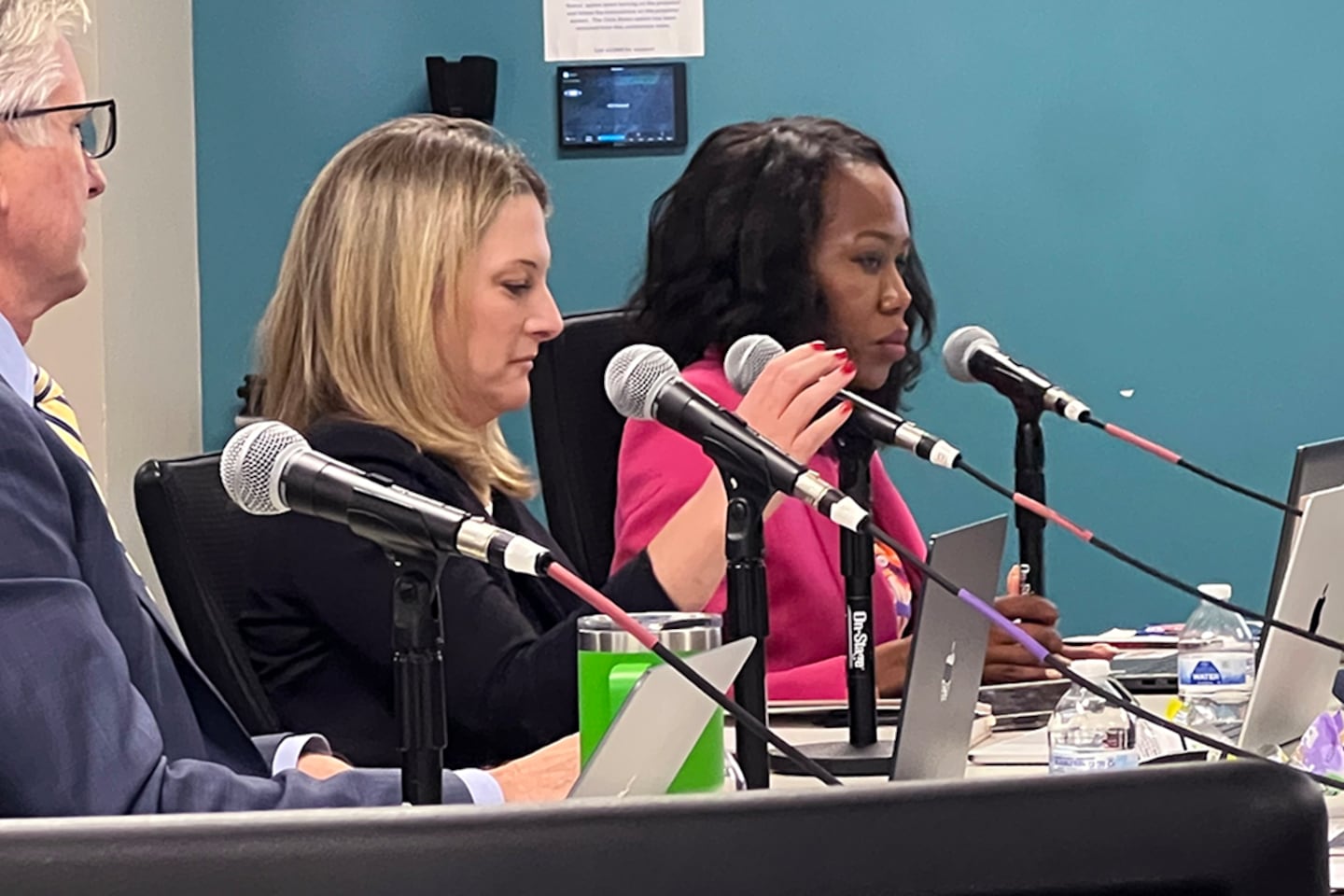
Colorado officials are debating stricter regulations for homeschool enrichment programs as they finalize new rules to govern this growing aspect of the state's education system. The nine-member State Board of Education will decide by the end of December how much public money these programs can receive and what oversight they require.
Last spring's law changes prompted the crackdown, which began with a stricter approval process for new programs. Of the 54 programs that applied for state approval over the summer, only five were approved or partially approved, while the rest were rejected or awaiting decisions. Lawmakers altered requirements in May due to concerns about private schools receiving public subsidies or receiving tuition discounts and receiving high-end activities that public school families pay for.
Some programs operated with a complex structure of contractors and subcontractors to avoid public transparency while receiving millions in state funding. Homeschool enrichment programs typically offer one day of classes per week and are designed to provide socialization opportunities or access to courses that are difficult to provide at home.
These programs may cover subjects like math, reading, and electives such as art, music, and physical education. Colorado Department of Education staff presented two versions of the proposed rules on Wednesday. Option A would restrict home school enrichment programs to be operated only by public entities like school districts or charter schools, a significant shift from the current situation.
This option would allow a public entity to contract with a private group for a specific class, but the public entity would retain control over enrollment, finances, and other operational responsibilities. Option B would permit both public entities and nonprofit private groups to operate these programs, though private groups would not be able to offer subjects like art, music, or physical education.
Board members are also considering a separate set of rules that would require enrichment programs to double the class hours they provide to qualify for half-time per-pupil funding, which averages around $6,000 per year. Currently, most programs offer six hours of classes per week, amounting to 90 hours per semester. The proposed rule would increase this to 180 hours per semester, making the rate for homeschool enrichment less generous compared to what public schools receive for educating their students.
Some board members, including Chair Rebecca McClellan, emphasized the need for parity between public school and homeschool enrichment students. They argued that offering subsidized programs could incentivize some families to remove their children from full-time public schooling. Others suggested involving the state attorney general or allowing the state to impose fines or penalties for past mismanagement of funds.
Advocates urged the board to take a stronger stance against past abuses and hold accountable those who have exploited the system.
Written by urgent.news from Chalkbeat's reporting — not their text. Machine-written — may contain errors; check the original before relying on it.