Thailand pauses all data center projects as it looks to solve water and electricity issues and 'create the most benefit'
Thailand has paused 166 data center projects while officials create rules covering power, water, sites, safety, and economic benefits.
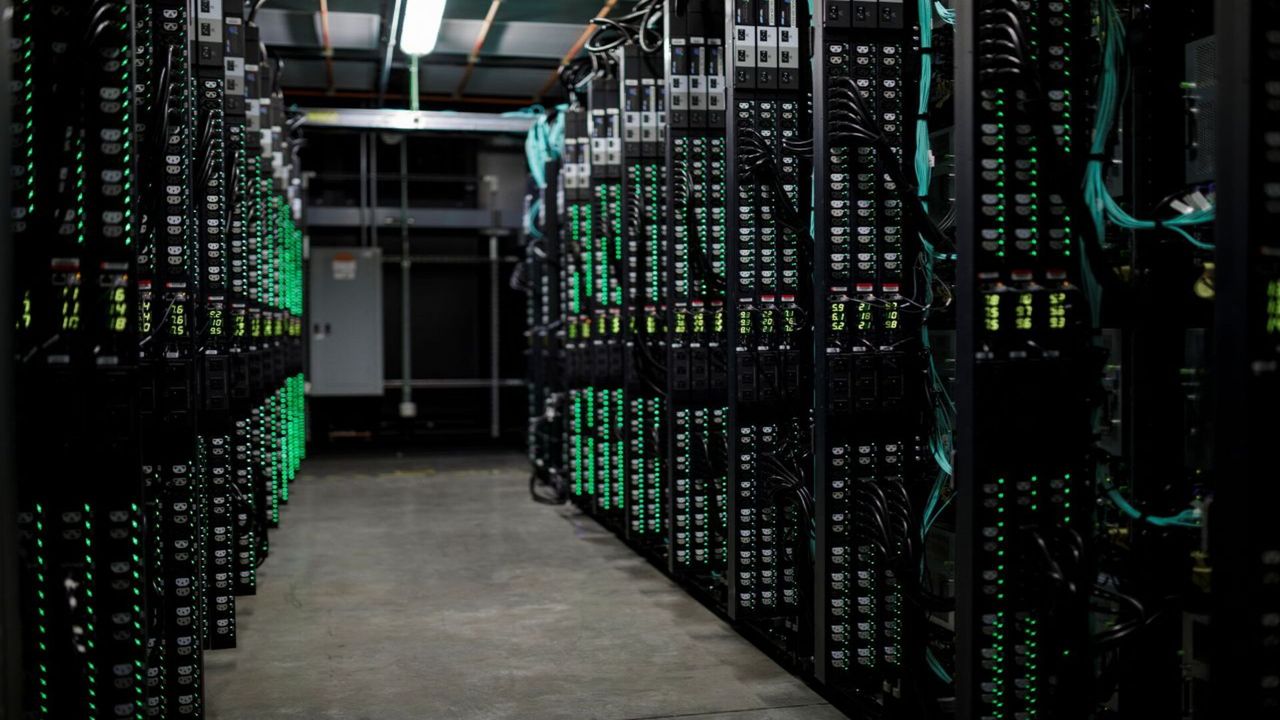
Thailand has suspended 166 data center projects while officials draft new national rules concerning electricity, water, locations, safety, and economic returns. The halt applies to 49 facilities currently under construction and an additional 117 projects awaiting government approval. Officials aim to foster investment while ensuring data centers generate employment, technological advancements, and tangible benefits for Thailand.
The decision to pause data center projects followed a meeting of the national data center policy board, which directed four groups to draft standards within a month. Each group will examine a distinct aspect: economic benefits, infrastructure requirements, site and location standards, and environmental protection. The review stems from the government's discovery of insufficient data on Thailand's existing data centers and pending projects.
Government records indicate that 35 data centers are currently operational, with 11 receiving support from Thailand’s Board of Investment. Furthermore, 24 facilities have obtained approval through alternative means, while several smaller centers are run by financial institutions.
The government seeks a unified system to track project locations, approval statuses, electricity sources, water supplies, planning regulations, and other crucial details. This centralized system will enable agencies to assess the cumulative impact of multiple facilities rather than reviewing each project individually. Bangkok is also conducting an audit of existing sites, with six projects seeking approval, each requiring between 9 MW and 23 MW of power.
Three applications were approved and began operations from 2022 to 2024, while the remaining requests will remain on hold until national standards are established.
The proposed rules will address electricity consumption, water usage, site selection, construction safety, backup fuel storage, environmental consequences, and distance from nearby buildings. Officials are also considering whether facilities utilizing over 2 MW should be subject to regulations analogous to those imposed on industrial businesses.
Large centers necessitate constant power and substantial water for cooling, raising concerns about potential strain on local networks and supplies. The government desires to incorporate the direct and indirect costs associated with large facilities into electricity and water pricing to deter households and other businesses from bearing the costs linked to data center resource utilization.
Future projects might confront a competitive approval process that takes into account job creation, technology transfer, the use of clean energy, and lower greenhouse gas emissions. Prime Minister Anutin Charnvirakul emphasized that data centers are integral to Thailand's economy, despite the government's lack of comprehensive information regarding existing facilities and planned developments.
The government is now seeking detailed information on data centers to formulate laws that will steer future investment decisions. Rather than expanding server capacity without evaluating their demand, Thailand aims to extract greater value from incoming projects. The suspension does not signify an end to Thailand's aspirations for data centers, as officials continue to solicit investment while scrutinizing how growth should unfold.
Written by urgent.news from TechRadar's reporting — not their text. Machine-written — may contain errors; check the original before relying on it.