Sodium batteries are coming to Europe
Abundant sodium could reduce critical-mineral vulnerabilities and support Europe’s electrification, but Chinese manufacturers hold a commanding lead in the market The post Sodium batteries are coming to Europe appeared first on Dialogue Earth .
In June, CATL, the world's largest battery maker, unveiled its TENER Sodium Energy Storage System in Munich, Germany. This launch was significant as it marked sodium-ion battery technology's entry into Europe. With the EU prioritizing an accelerated transition to electrification, the arrival of new battery storage technologies couldn't be more timely. Sodium-ion batteries present several advantages over lithium-ion batteries, which currently dominate the market.
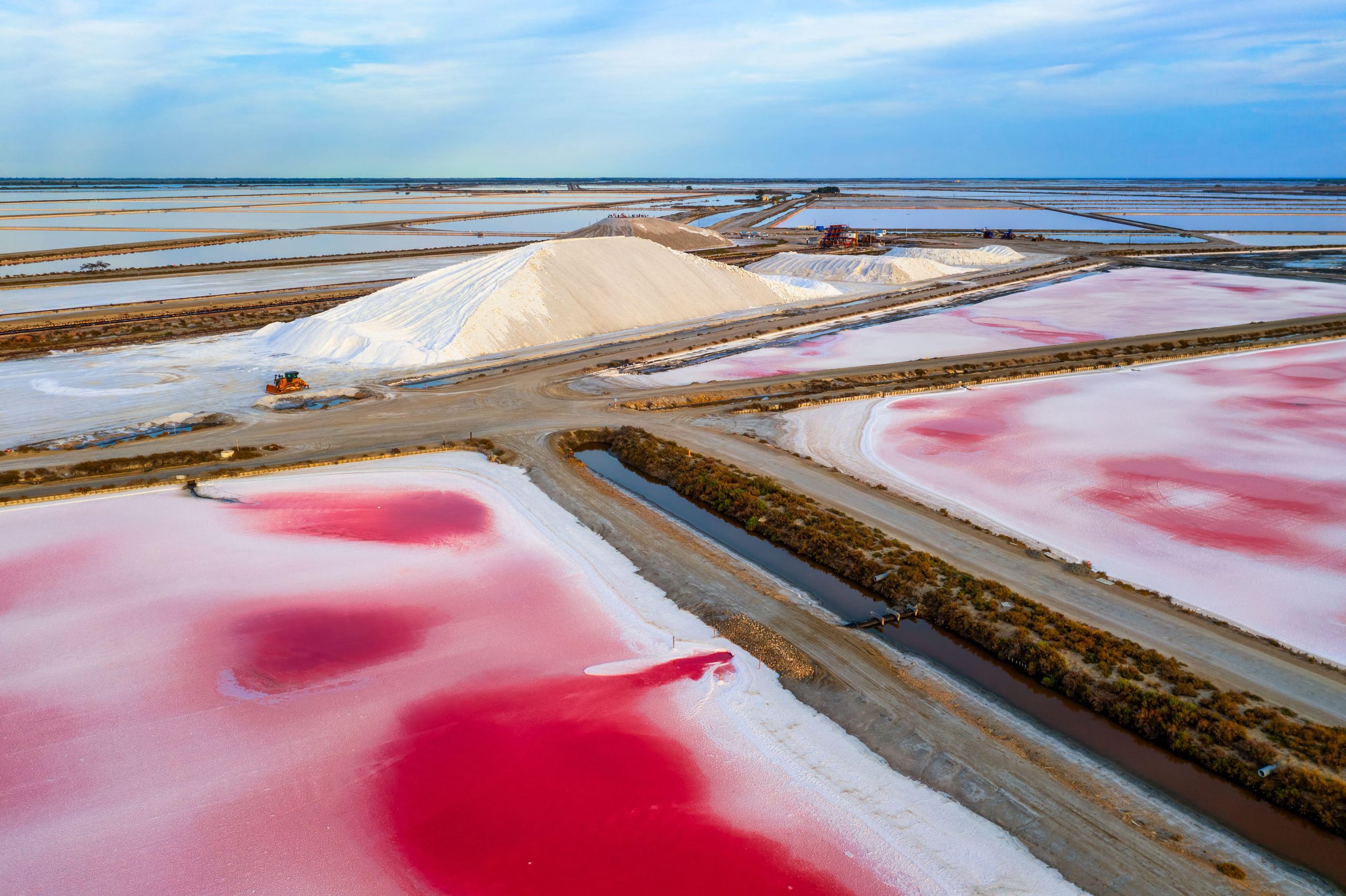
One key advantage is the abundance of sodium, a main component in sodium-ion batteries. Unlike lithium, nickel, and phosphate, sodium is widely distributed across the globe in seawater and land-based deposits, making it easier and cheaper to produce. This surpasses other battery materials that are concentrated in specific countries, such as lithium found in Australia, China, Chile, and Zimbabwe. China accounts for 74% of global lithium refining, making it a potential vulnerability for Europe.
Sodium-ion batteries also have performance benefits. CATL's Amanda Xu, president of energy storage systems in Europe, stated that their TENER batteries can operate in extreme temperatures, as low as -20°C and as high as 45°C. Additionally, these batteries can withstand a higher number of charge cycles compared to lithium-ion batteries - up to 15,000 cycles for sodium-ion batteries, versus a maximum of 12,000 for lithium-ion batteries.
The use of hard carbon, derived from abundant materials like trees and coconut shells, can also lower the carbon footprint of sodium-ion batteries when compared to lithium-ion counterparts.
However, there are some challenges to sodium-ion batteries. Despite their lower carbon footprint, they have a lower energy density per cell compared to lithium-ion batteries. Therefore, a more accurate comparison should be made by kilowatt-hour, which makes the two chemistries have a similar carbon footprint. The scale and efficiencies of existing lithium battery production in China also make it challenging for sodium-ion batteries to reach price parity, a target CATL has set for the end of this year.
Written by urgent.news from Dialogue Earth's reporting — not their text. Machine-written — may contain errors; check the original before relying on it.