In North Carolina, a race is on to restore critical peatland before it dries up or is destroyed
BELHAVEN, N.C. (AP) — Scientists and investors are restoring a 23-square-mile tract of peatland in North Carolina to help curb climate-warming emissions and restore native habitat. Ditches have drained water from thousands of years of accumulated peat, leaving the site vulnerable to drought and wildfire and unleashing huge volumes of carbon dioxide. One-third of global […]
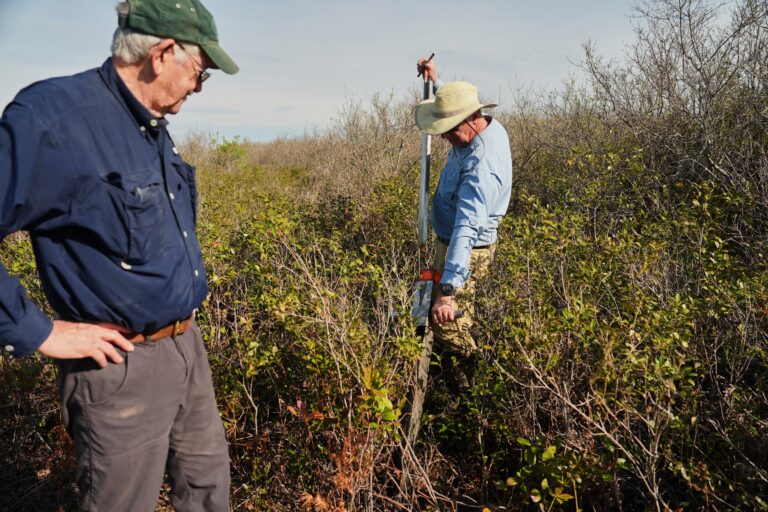
BELHAVEN, N.C. — Scientists and investors are working to restore a 23-square-mile area of peatland in North Carolina, aiming to mitigate climate-warming emissions and revive native habitat. The site's water has been drained for thousands of years via ditches, putting the land at risk of drought and wildfire, while releasing significant amounts of carbon dioxide.
Peatlands are responsible for storing one-third of the world's carbon, an amount that surpasses that stored in all forests combined. However, once damaged, these peatlands revert to emitting carbon. Pantheon Regeneration, a company, intends to restore the water table to reduce emissions, subsequently selling carbon credits to fund its mission of protecting a million acres of peatland from Virginia to Florida.
Written by urgent.news from Mongabay's reporting — not their text. Machine-written — may contain errors; check the original before relying on it.