No easy exit: 25 years after 9/11, the US military has no way out of the Middle East
When Osama bin Laden ordered Al Qaeda attacks against America for September 11, 2001 , he knew he could not directly defeat the US military. Instead, he opted to lure the US into a string of costly wars, in a strategy he later described as “bleeding America to the point of bankruptcy”. A quarter of a century after 9/11, the US is not bankrupt. But its response to the worst terrorist attack in the…
Twenty-five years after the September 11, 2001 terrorist attacks, the United States military remains entrenched in the Middle East, with no clear path to exit. This ongoing involvement has contributed significantly to the national debt, which surpassed $40 trillion in recent months. Although the US has largely neutralized Al Qaeda, it is still mired in a cycle of conflict, primarily due to the invasion of Iraq following the 9/11 attacks.
The invasion of Iraq emboldened Iran, leading to a fundamental shift in the US-Iran dynamic. As Tony Pfaff, a former US defense attache in Iraq, explained, "We weren't really in the region enough to become a target. Now, not only did we, by entering the region, become a target – we created more." Iran capitalized on the power vacuum left by the fall of Saddam Hussein, supporting Shiite militias that targeted US troops. This led to a volatile situation that required a hawkish response from Washington.
Following the withdrawal of US forces from Iraq in 2011, the region saw the rise of ISIS, which emerged from Al Qaeda's Iraqi branch. The costs of these interventions are immense, with the Watson School of International and Public Affairs estimating that the US has spent or owes about $8 trillion on military operations and associated expenses since 9/11. This figure does not account for interest payments on borrowed funds.
Beyond the direct costs to the US, there are broader implications for military readiness and strategic positioning. Mark Montgomery, a retired rear admiral and former senior Pentagon official, highlighted that the US is struggling to maintain readiness for potential threats from China and Russia. The ongoing Middle East conflicts have drained resources and affected the US's ability to deter potential adversaries, such as China, and support allies like Japan, Taiwan, and South Korea.
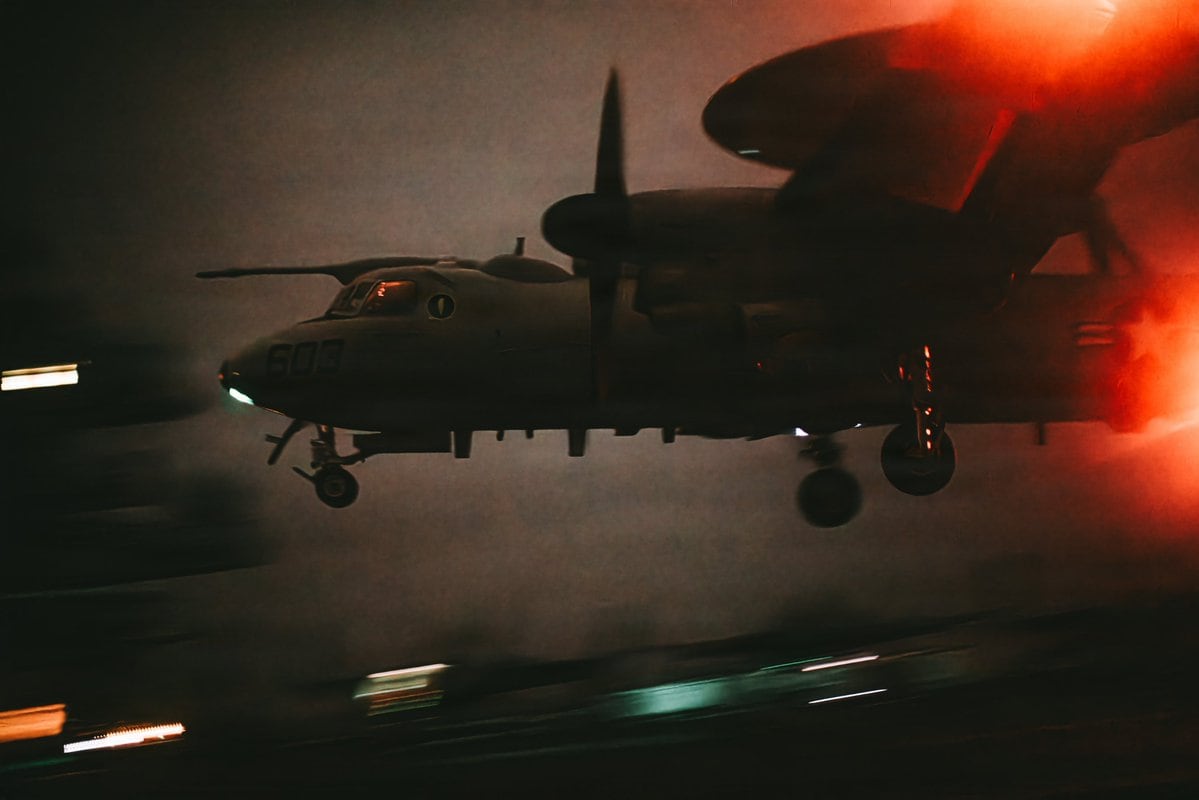
The specific example of the USS Abraham Lincoln carrier strike group being diverted to the Middle East for Iran-related operations illustrates this strain. Originally intended for the Indo-Pacific to deter China, the deployment has forced the USS George Washington to take its place, with the potential for a prolonged absence from the Asia-Pacific region. This disruption could weaken the US's deterrence efforts and its ability to reassure key allies in Asia.
For Iraqis, the consequences of this endless cycle of conflict are stark. Marsin Alshamary, an Iraq expert, noted a brief period of hope for Iraq following the conflict but expressed concern that the region's wars continue to impede Iraq's progress towards stability. The US and Israel's policies of supporting regional actors unable to challenge Israel have contributed to these security vacuums, perpetuating the ongoing instability in the Middle East.
Written by urgent.news from The National UAE's reporting — not their text. Machine-written — may contain errors; check the original before relying on it.
Also reported by 8 other outlets
- No easy exit: 25 years after 9/11, the US military has no way out of the Middle East thenationalnews.com
- Brent crude rises above $100 a barrel as Middle East conflict escalates al-monitor.com
- Oil prices near US$100 as Middle East supply risks mount thevibes.com
- Live: ASX to recover from six-week low as Middle East flare-up drives oil price higher abc.net.au
- Middle East tensions push crude towards $100 punchng.com
- Oil nears US$100 as fresh Middle East strikes raise supply risks nst.com.my
- Oil nears $100 as Middle East war fuels fears of prolonged supply disruptions english.nv.ua
- Oil prices climb as Middle East war flares freemalaysiatoday.com