No easy exit: 25 years after 9/11, the US military has no way out of the Middle East
When Osama bin Laden ordered Al Qaeda attacks against America for September 11, 2001 , he knew he could not directly defeat the US military. Instead, he opted to lure the US into a string of costly wars, in a strategy he later described as “bleeding America to the point of bankruptcy”. A quarter of a century after 9/11, the US is not bankrupt. But its response to the worst terrorist attack in the…
Twenty-five years after the September 11, 2001 terrorist attacks, the United States remains entrenched in the Middle East, with no clear exit strategy in sight. The U.S. military's presence in the region has been driven by a strategy to "bleed America to the point of bankruptcy" following the 9/11 attacks, according to Osama bin Laden. Despite defeating Al Qaeda, the U.S. continues to grapple with the consequences of its interventions, which have contributed significantly to the national debt exceeding $40 trillion.
The U.S. invasion of Iraq in 2003, prompted by the fear of Saddam Hussein's alleged weapons of mass destruction, emboldened Iran and altered the dynamics between the two countries. This shift created conditions for the ongoing conflict with Iran, which began with the 2003 Iraq invasion. Tony Pfaff, a former U.S. defence attache in Iraq, explained that the invasion inadvertently turned Iraq into a target and fostered an environment where Shiite militias could re-emerge, leading to attacks on U.S. troops and the rise of ISIS.
The costs of these military interventions have been substantial, with estimates suggesting that the U.S. has spent or is obligated to spend approximately $8 trillion on the post-9/11 wars. This expenditure does not account for interest payments on borrowing to fund the conflicts. Moreover, the U.S. is now facing a "simultaneity problem," as retired Rear Admiral Mark Montgomery noted, as it struggles to be prepared for multiple potential conflicts, including those with China and Russia.
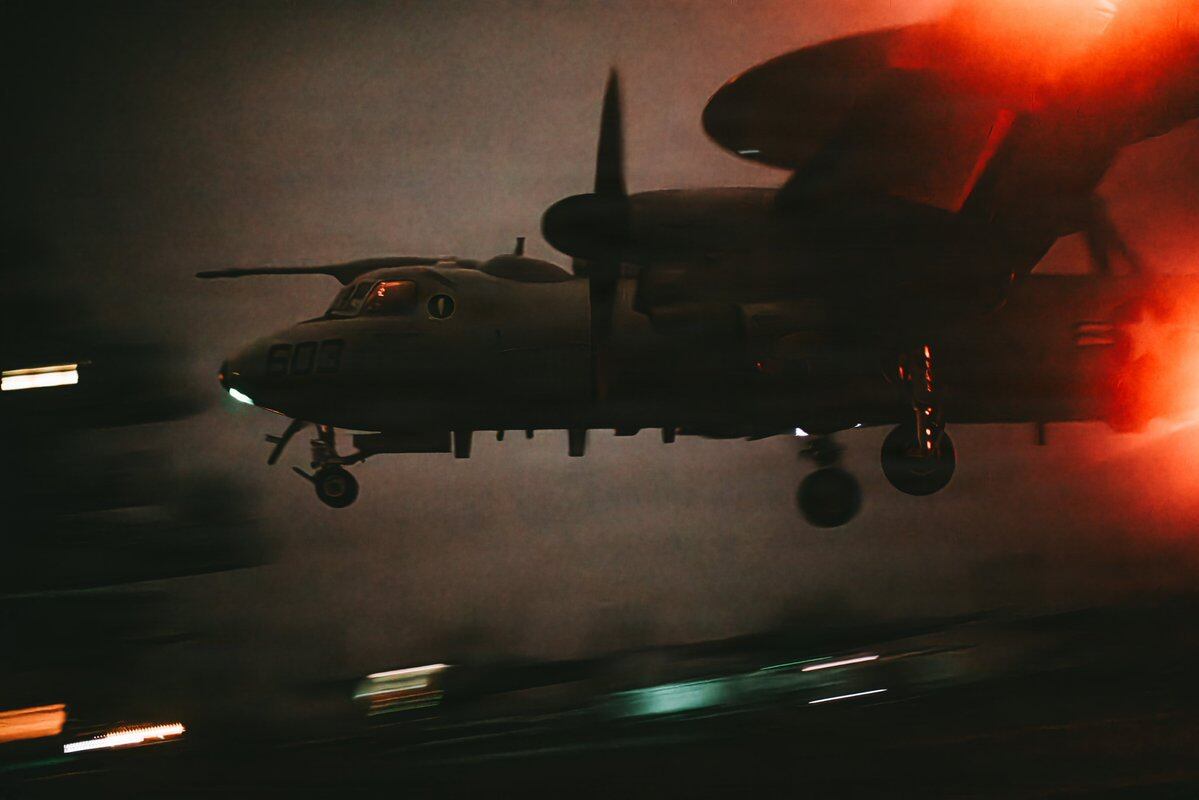
The U.S. has had to reassign naval capacity intended for the Indo-Pacific to the Middle East, reducing its ability to deter China and reassure Asian partners like Japan, Taiwan, Korea, and Australia. For Iraqis, the consequences of this ongoing cycle of conflict are more immediate, as the country struggles to recover from the latest regional tensions and the perceived inevitability of continued warfare in the region.
Written by urgent.news from The National Business's reporting — not their text. Machine-written — may contain errors; check the original before relying on it.
This story
This is one outlet's version. Read the fullest account.
- No easy exit: 25 years after 9/11, the US military has no way out of the Middle East thenationalnews.com
- Brent crude rises above $100 a barrel as Middle East conflict escalates al-monitor.com
- Oil prices near US$100 as Middle East supply risks mount thevibes.com
- Live: ASX to recover from six-week low as Middle East flare-up drives oil price higher abc.net.au
- Middle East tensions push crude towards $100 punchng.com
- Oil nears US$100 as fresh Middle East strikes raise supply risks nst.com.my
- Oil nears $100 as Middle East war fuels fears of prolonged supply disruptions english.nv.ua
- Oil prices climb as Middle East war flares freemalaysiatoday.com