Kashmir’s water bodies have declined for decades. Is conservation keeping pace?
For generations, Kashmir’s wetlands, lakes and rivers have been woven into the landscape around its towns and villages. Paddy fields once stretched across parts of the valley, while canals and springs were familiar features of everyday life. But much of that landscape has changed. A new study published in Water Science assessing six decades of […]
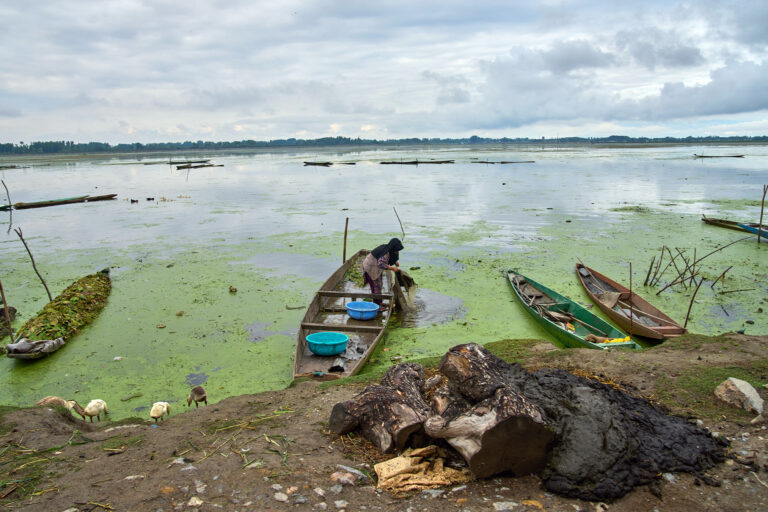
For generations, the water bodies of Kashmir have been an integral part of the region's landscape. Paddy fields, canals, and springs were once common sights in the valley, but a recent study reveals a concerning decline in these natural features over the past six decades. The study, published in Water Science, analyzed land use and land cover changes in Jammu and Kashmir, a union territory in northern India, from 1960 to 2020.
The findings show that while water bodies have decreased, built-up areas have expanded significantly, especially after the 1990s. The researchers noted that socioeconomic factors such as urbanization, population growth, literacy rates, per capita income, and transportation traffic were more closely linked to these changes than climatic variables like precipitation and temperature.
This raises an important question: as development continues to alter the region's landscape, are conservation efforts keeping up with the challenges facing Kashmir's water bodies? While the study is based on interpolated data rather than direct field surveys, it does suggest a clear trend in the direction of these changes.
Written by urgent.news from Mongabay's reporting — not their text. Machine-written — may contain errors; check the original before relying on it.